
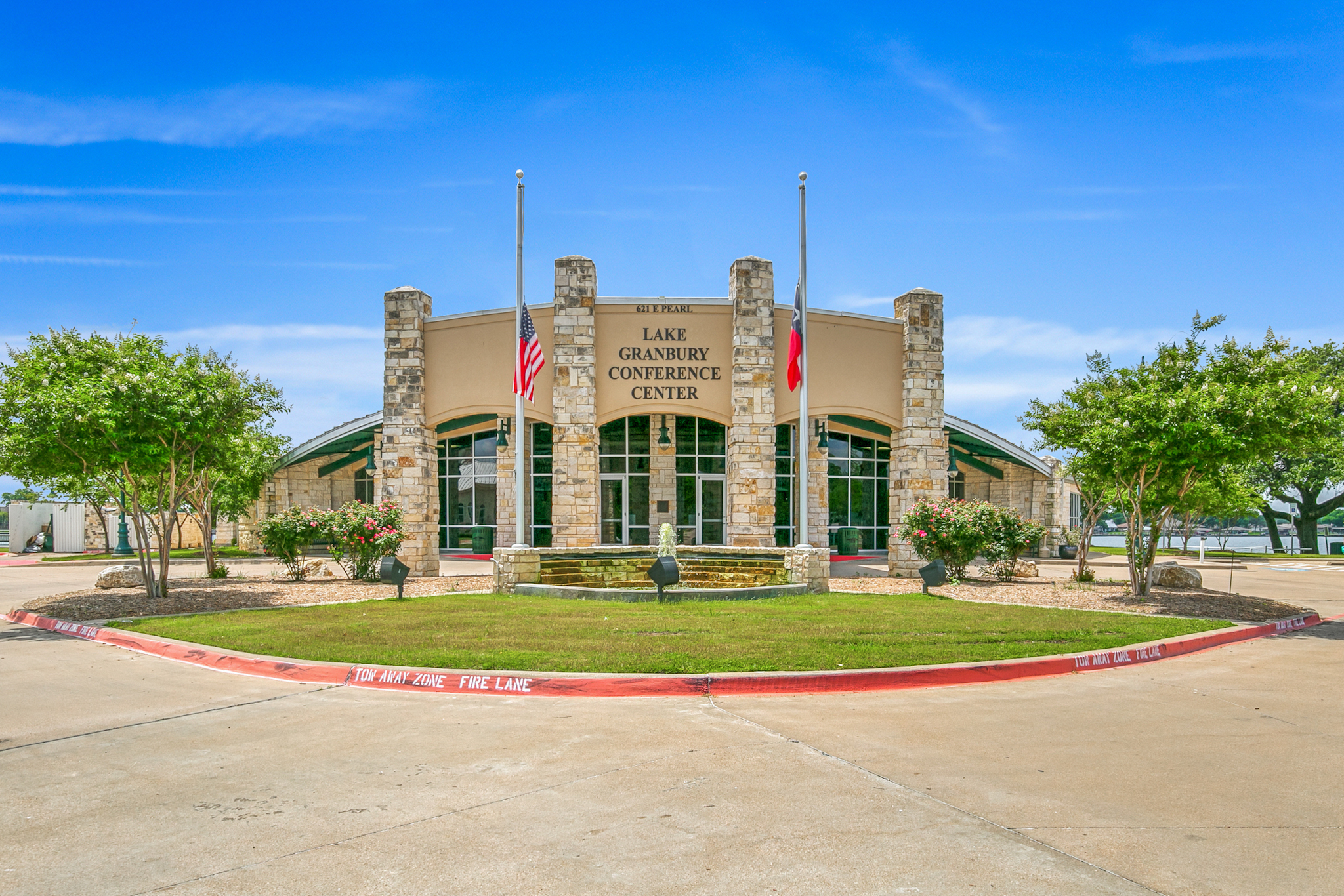
Over the years, I've had the good fortune of sharing time with a lot of great people. Some I know well and others I'm thankful to get to know. In all the conversations related to wagons and stages in the Old West, the most common questions I hear are... Who built it, when was it made, and how can we truly know either of these? I'll be talking more about these questions and much more at the American Chuck Wagon Association event in Granbury, Texas August 14-15, 2026. If you haven't reserved your slot yet - Don't wait. You can do it by visiting www.americanchuckwagons.com
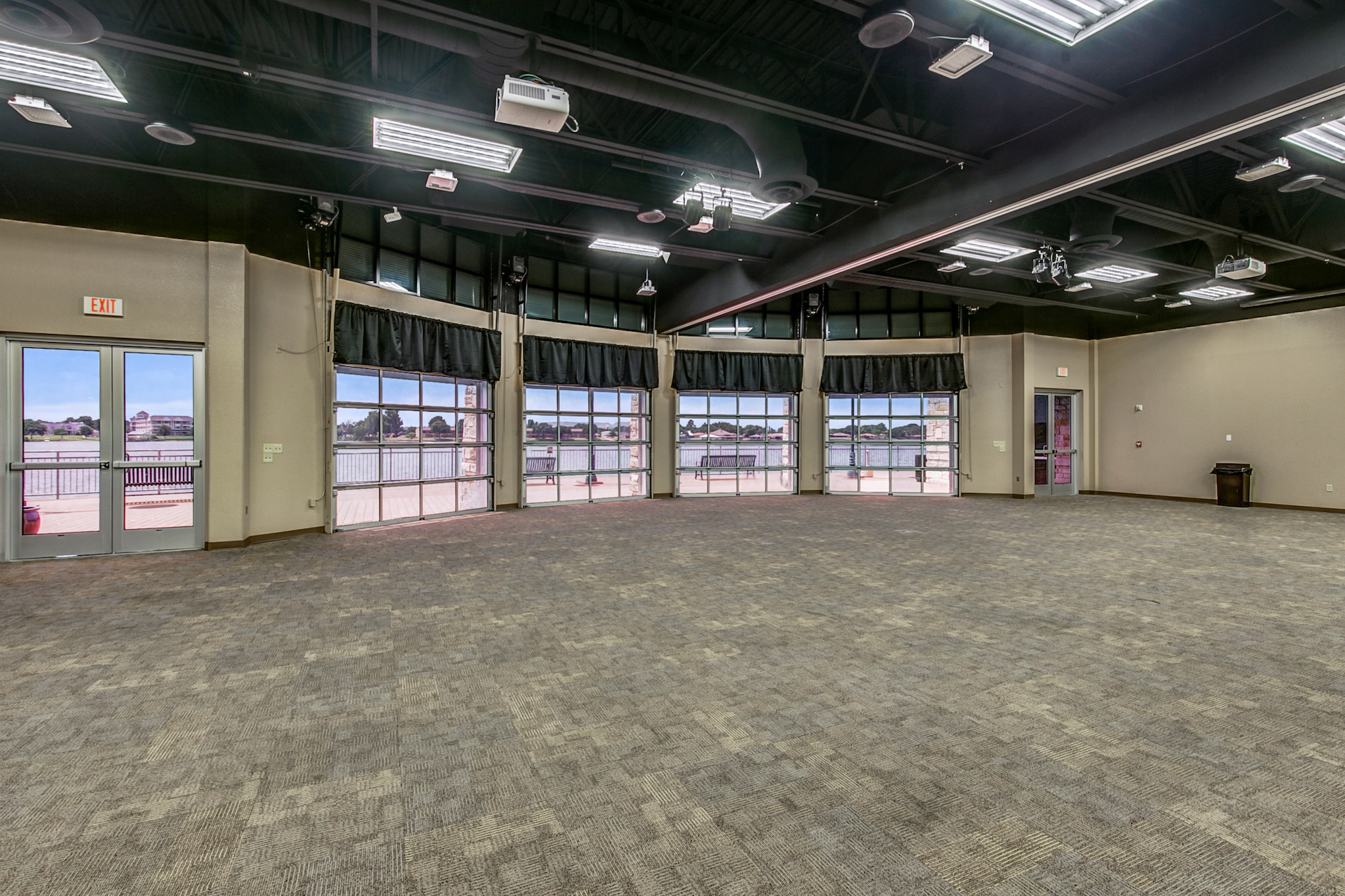
Plus, all activities are indoors at the Grandbury Convention Center, so comfort and convenience are well in hand. It's going to be an amazing time together. If you're remotely intrigued by the wagons, stages, and other vehicles of the Old West, this is a gathering and group of seminars you don't want to miss.

With that in mind, I thought we'd look at a related subject this week. For those that own an old wagon, whether it's a family heirloom, barn find, chuck wagon competition vehicle, collector, or display piece, ask yourself how much you truly 'know' about it? Maybe you do or don't know the brand? Maybe the box and gear are of the same make and year? Maybe you are or are not aware of when it first rolled out of the maker's shop? Ultimately, knowing is different than assuming or even believing but we'll save those discussions for the ACWA event.
Even if a person can't definitively prove the maker of a wagon or its build date, there's still a great deal you can know. Why is this important? Because everything on your wagon, individually and collectively, tells a story. The more you know - and can objectively support - about that story, the more attractive and intriguing that vehicle will be to others. The fancy word for this background is called Provenance or the historical elements that help define a set of wheels. While provenance includes details about a maker and timeframe of manufacture, there are other - often forgotten - parts of that documentation as well.
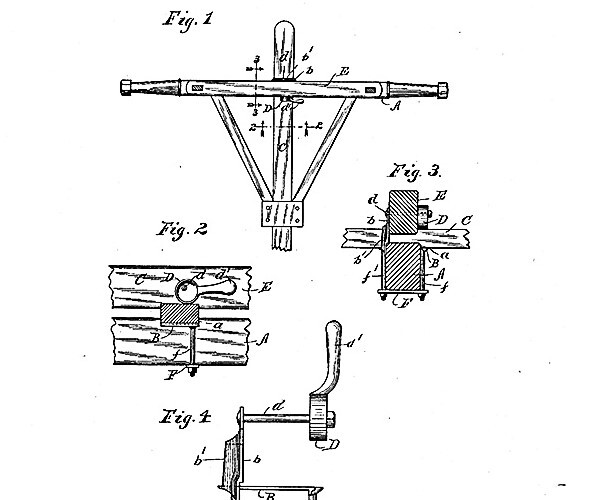
Understanding who did what, when, and why can unlock a world of information inside western wagons and stages.
For instance, what details are available on the track width, skein dimensions, box size (including original floorboard widths and individual sideboard heights), wheel heights, ground clearance, sandboard and standard/stake designs, stampings, and other unique or even patented features? There are additional specifications to consider on an old wagon, but these few details are more than sufficient to ponder in this post. Not only can this collective body of information tell us about design purposes of the vehicle but, in conjunction with other points of reference, the observations can help point to a general build time. In essence, it's like looking at the design of a 1970s model Chevy truck and comparing it to one from ten to twenty years earlier or later. There will be differences. Experience tells us that is true but, somehow, we can forget that the same type of evolution also took place in old wagons and western vehicles.
When it comes to skein dimensions, both the opening in the bell portion as well as the type of skein (clouts, cast, malleable, or steel) and the length of the running surface can help us determine the amount of payload the wagon running gear was designed for and where it ranked in size with others. Track width can also be overlooked but has a place in evaluations since it can sometimes point to regions of use, purposes, and, in some cases, timeframes of manufacture. Likewise, even sideboard variations have the potential of lining up with a particular era or region. In essence, everything on a vehicle has the potential to tell us something about its past - including whether the part has been repaired, replaced, restored, or is original.
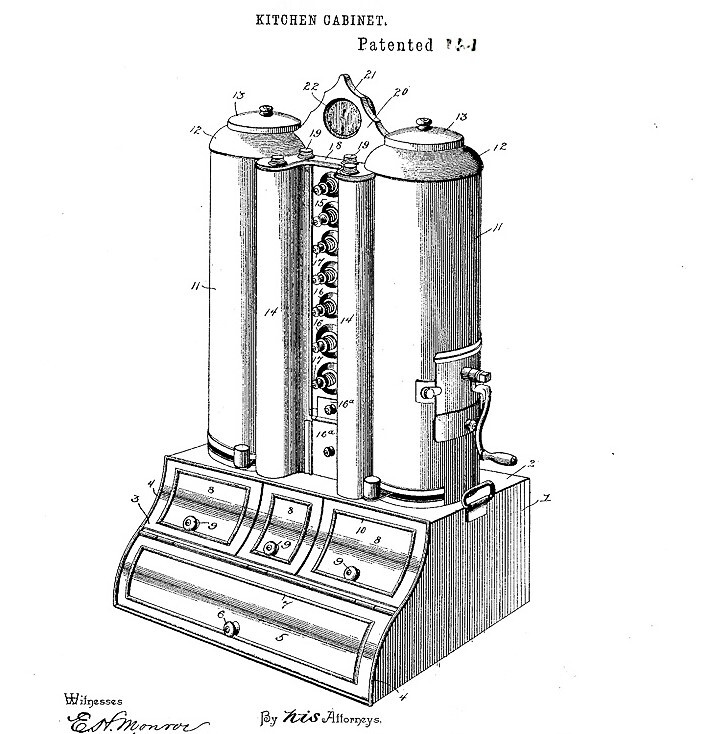
Just to give an example of the kinds of speculations that can be passed off as truth... This week, I've seen metal kitchen cabinets erroneously proclaimed to be chuck boxes, rebuilt and repainted wagons touted as original, professed manufacturing dates that are literally impossible, and wagon makers supposedly identified by the box color. Why does this matter? To some, it clearly doesn't, but to those wanting to preserve actual history for future generations, it's important to know and not just think we know.
The depth of detail in so many survivors is amazing, and I'd encourage folks to look beyond the quick answers to a level of insight most don't realize is possible. Wanna know more? See you at Granbury in August!
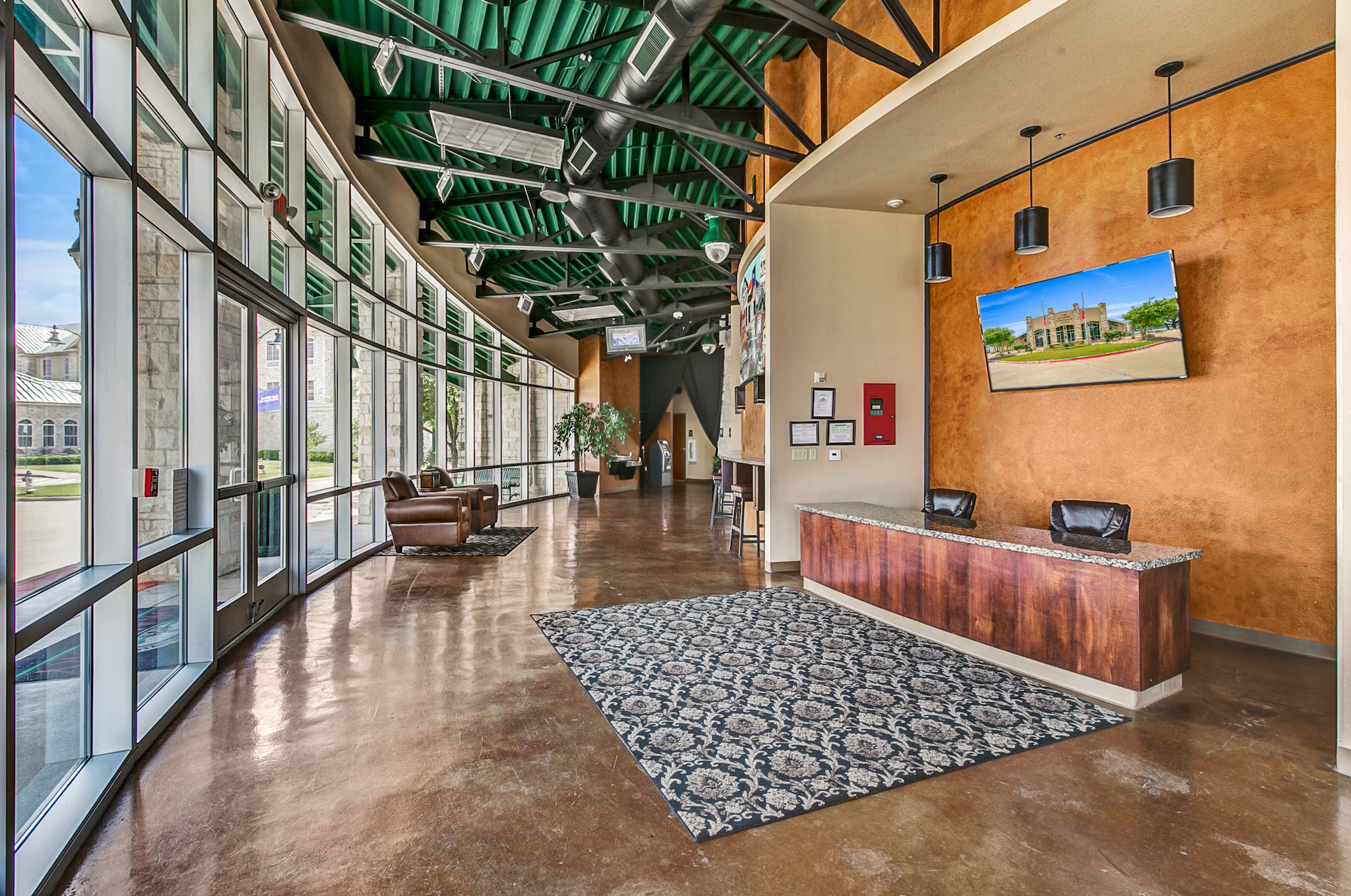

More views of the Granbury Conference Center where the western vehicle presentations will take place in August 2026. Images Courtesy Granbury Conference Center.
Have a great weekend!
David
Ps. 20:7