
Not long ago, my wife and I were browsing through an antique store. As expected, aisle after aisle was filled with things from yesterday. Some items were in remarkable condition while others were well worn and barely clinging to existence. From reminders of our own early experiences to connections with a forgotten past, these places make it easy to get lost in another time.
Image Copyright © David E. Sneed, All Rights Reserved.
Walking around the store, I came to the end of a row and noticed a thirteenish-looking boy exploring the workings of an old typewriter. He was clearly captivated by the mechanics of a machine he had never used. I smiled to myself, remembering my own school days in 'typing' class. I emphasized that word because I'm told it's called 'keyboarding' today. Whatever the term, this young man was enamored with that ribbon writer.
The entire scene made me think about all the hubbub going on in 1876. America was celebrating a century since the signing of the Declaration of Independence and the party being thrown in Philadelphia was like nothing the world had seen. The salute, often called the Centennial Exposition, lasted a full six-months, from May 10th through November 10th. The grounds included more than 200 buildings with 30,000 exhibits from 35 countries. To get an even better idea of the size and grandeur of the atmosphere, just one of the buildings covered more than 21 acres! The entire show was spread across hundreds of acres and even had an elevated monorail tram to help move the millions of attendees around the massive compound!
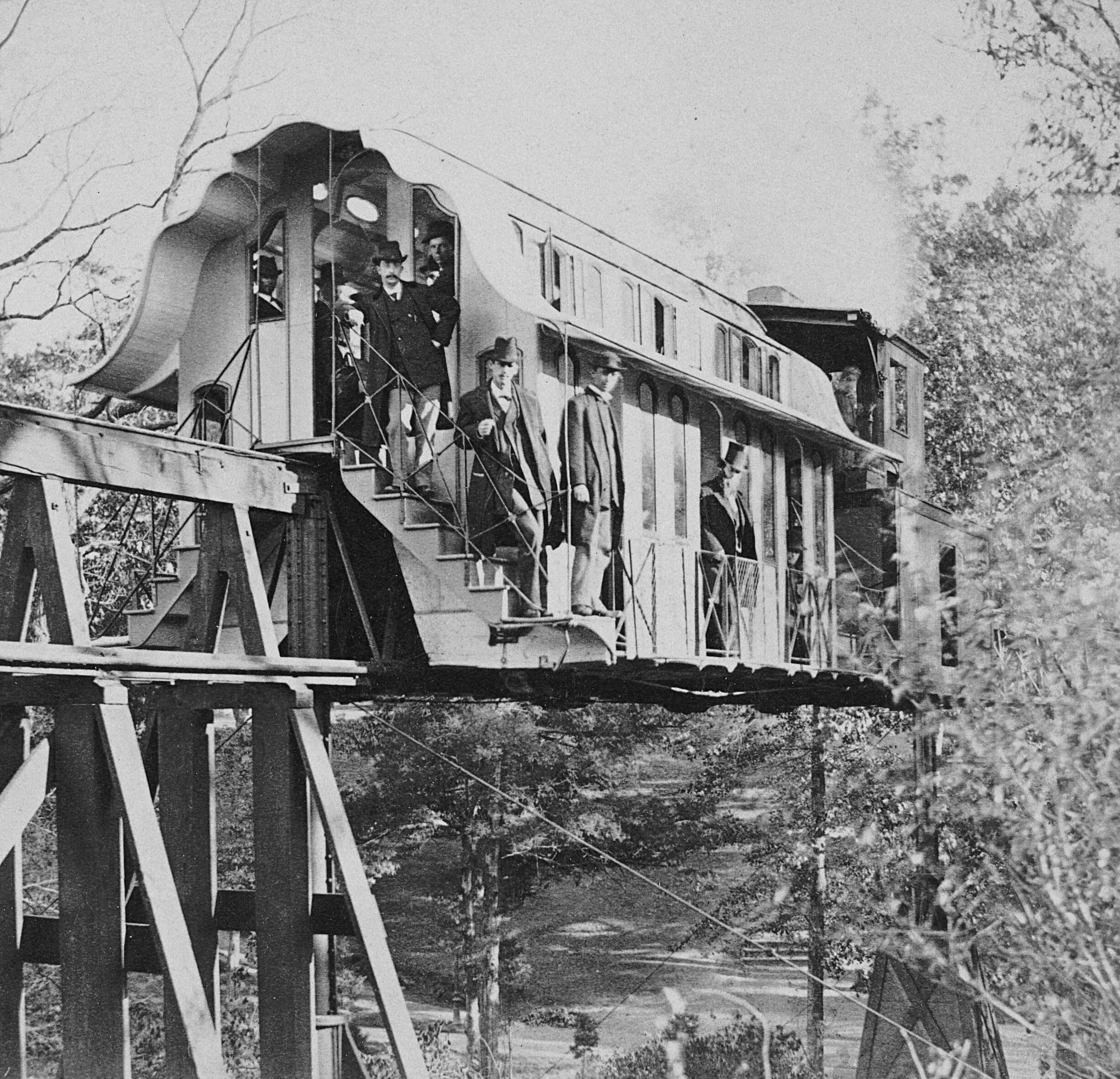
This elevated monorail was just one of the countless sights showing the inventiveness and ingenuity of America and the world at the 1876 Centennial Exposition. Image Courtesy Wiki Commons.
During the festivities, Heinz Ketchup and Hires Root Beer were introduced to the public for the first time and Kudzu was promoted as an answer to erosion control. Hmmm... well, two out of three ain't bad! Other curiosities included a mechanical calculator (early computer), mass produced sewing machines, the latest innovations in power equipment and agricultural gear, manufacturing tools, art of every type, a massive 1400 hp steam engine, electronic pen, and too many other products to mention.
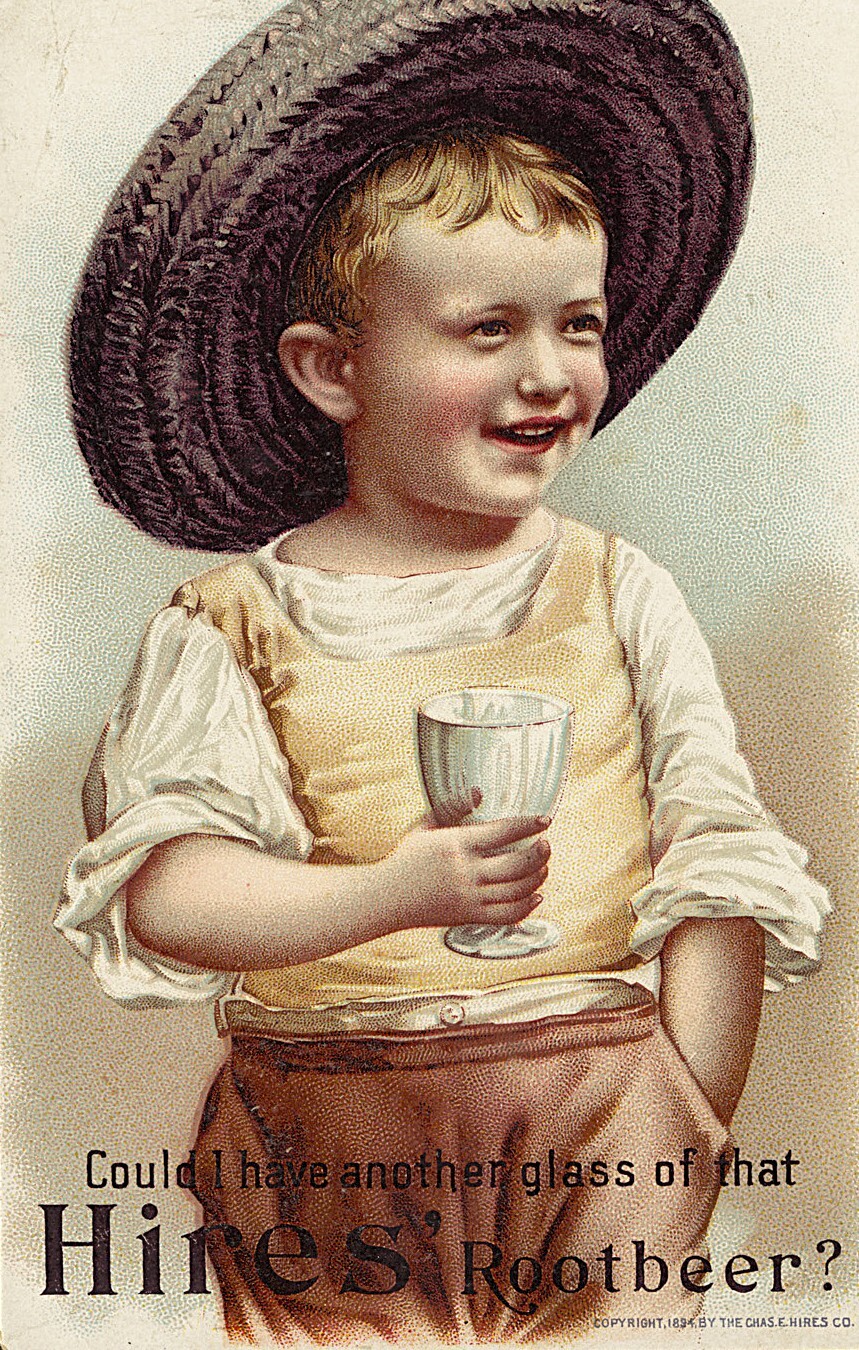
Hires root beer was introduced to the masses at the 1876 Centennial Exposition in Philadelphia, PA. Image Courtesy Wiki Commons.
Some of that is what I was envisioning when I saw the young man toying with the old typewriter. I imagine there were very similar sights at the Exposition as the famed firearms manufacturer, Remington, also launched what would become the first commercially successful typewriter. With so much to see and do, inventions like Alexander Graham Bell's telephone attracted even greater crowds and conversation. Our 'Ticket To Tomorrow' story in the ARTICLES section contains even more information about this once-in-a-lifetime show. With such incredible throngs of people looking for the latest wow-factor, America's wagon and carriage builders were not to be outdone. Dozens were there, sharing the quality, innovation, and distinctions that everyone wanted in their vehicle, whether it was for work, play, urban, rural, or all-out wilderness use.
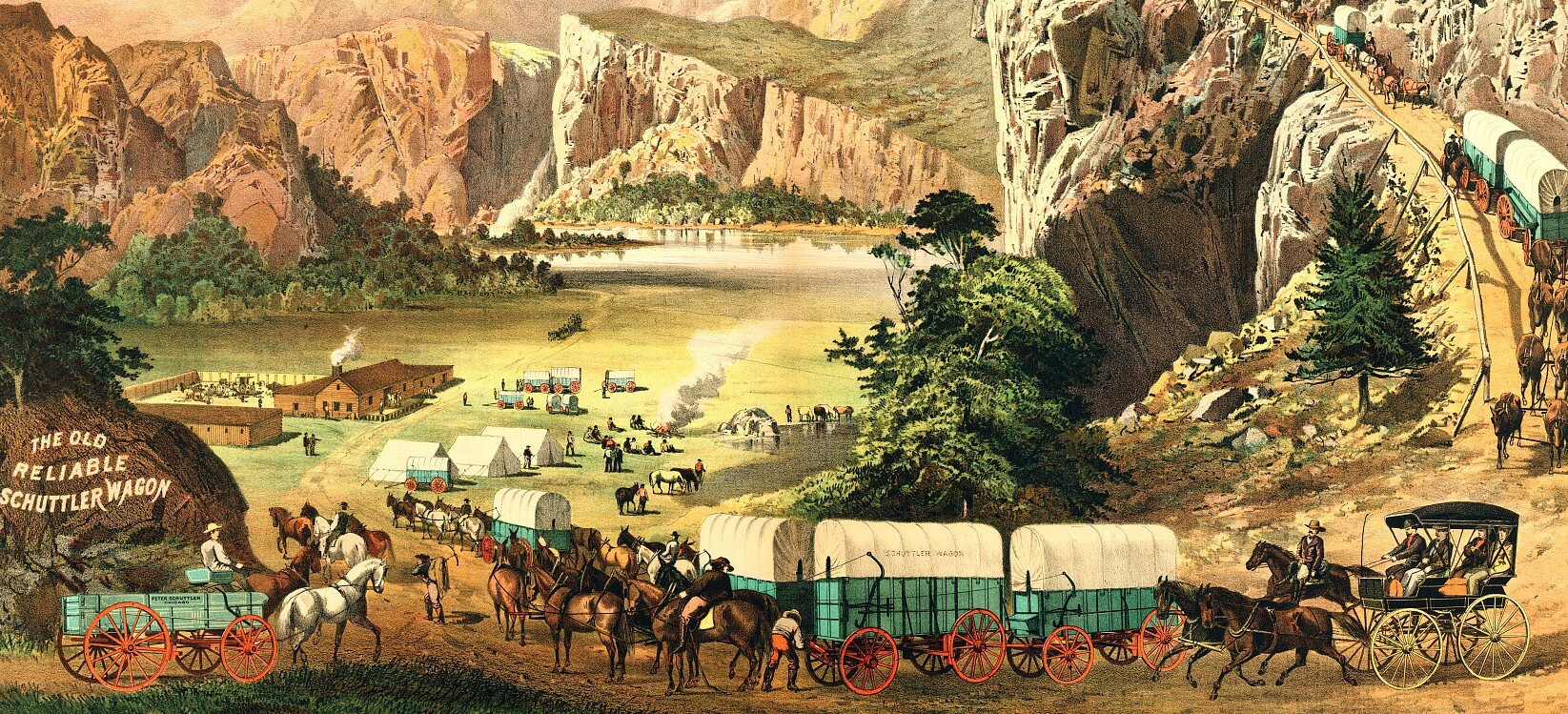
This well-known lithograph shows Peter Schuttler freight wagons as well as a Schuttler farm and spring wagon at Ute Pass in Colorado. Image Courtesy Wheels Tha Won The West Archives.
Among the notable wagon maker names at the show was Peter Schuttler. The famed firm had just turned 33 and had brought multiple wagons to the showcase. One, a towering western freighter was 12-feet in length with a 42-inch-wide box. Just a few years later, Schuttler would add another patent to its long list of innovations - a bent tongue for trail freight wagons traveling the frontier. Also in the Schuttler booth was a farm wagon with its running gear shown 'in the white,' meaning it wasn't painted. This promotional practice was often done by reputable builders to help show the quality of wood used as well as the fit and finish. This way, folks understood that the paint did not hide a less-than-perfect job. Schuttler also had a pair of spring wagons on display. Today, original Schuttler spring wagons are among the most difficult for collectors to find.
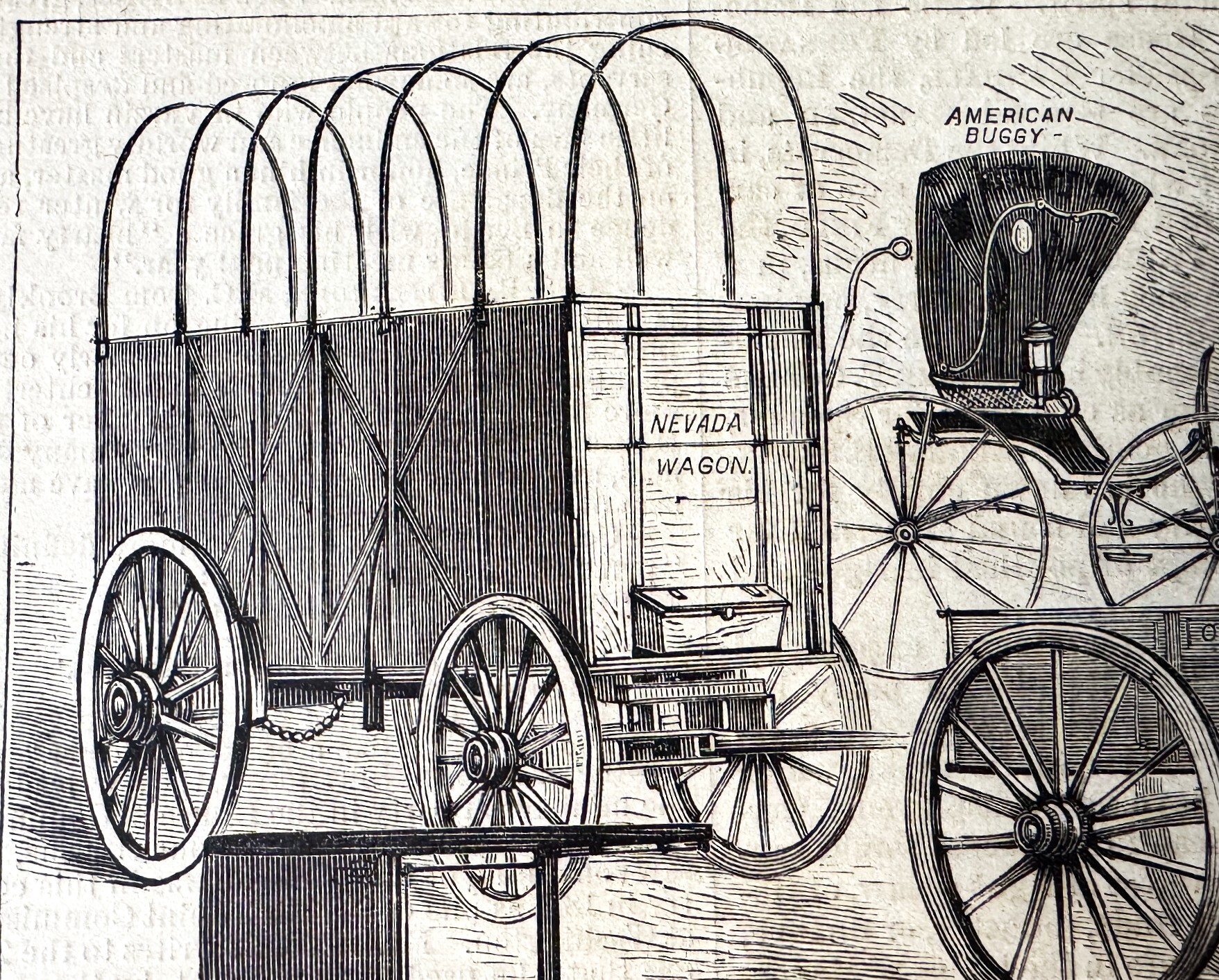
Shown above is a portion of an illustration in Harper's Weekly showing many of the vehicles at the 1876 Centennial Exposition. Image Courtesy Wheels That Won The West Archives.
Other makers exhibiting huge freight wagons included the legendary Winchester & Partridge Company from Whitewater, Wisconsin. This is another extremely scarce maker to come across in the twenty-first century. The history-rich Studebaker Bros. Company is said to have shown more wagons than any other builder. Looming well above the crowd, its 'Nevada' freight wagon was described by the attending 'Carriage Monthly' reporter as the largest in the building. It was intended to be drawn by at least fourteen mules and the carrying capacity was listed as fourteen tons! Like the Schuttler previously mentioned, this western freighter was also equipped with bows. Fish Brothers of Racine, Wisconsin presented several wagons, including a 'Pacific' wagon. This style is a forerunner of what became more commonly referred to as a heavier mountain wagon or rack bed style western wagon. Other wagon makers presented a mix of farm, plantation, spring, coal, ice, business, and dump wagons as well as carts and bob sleds.
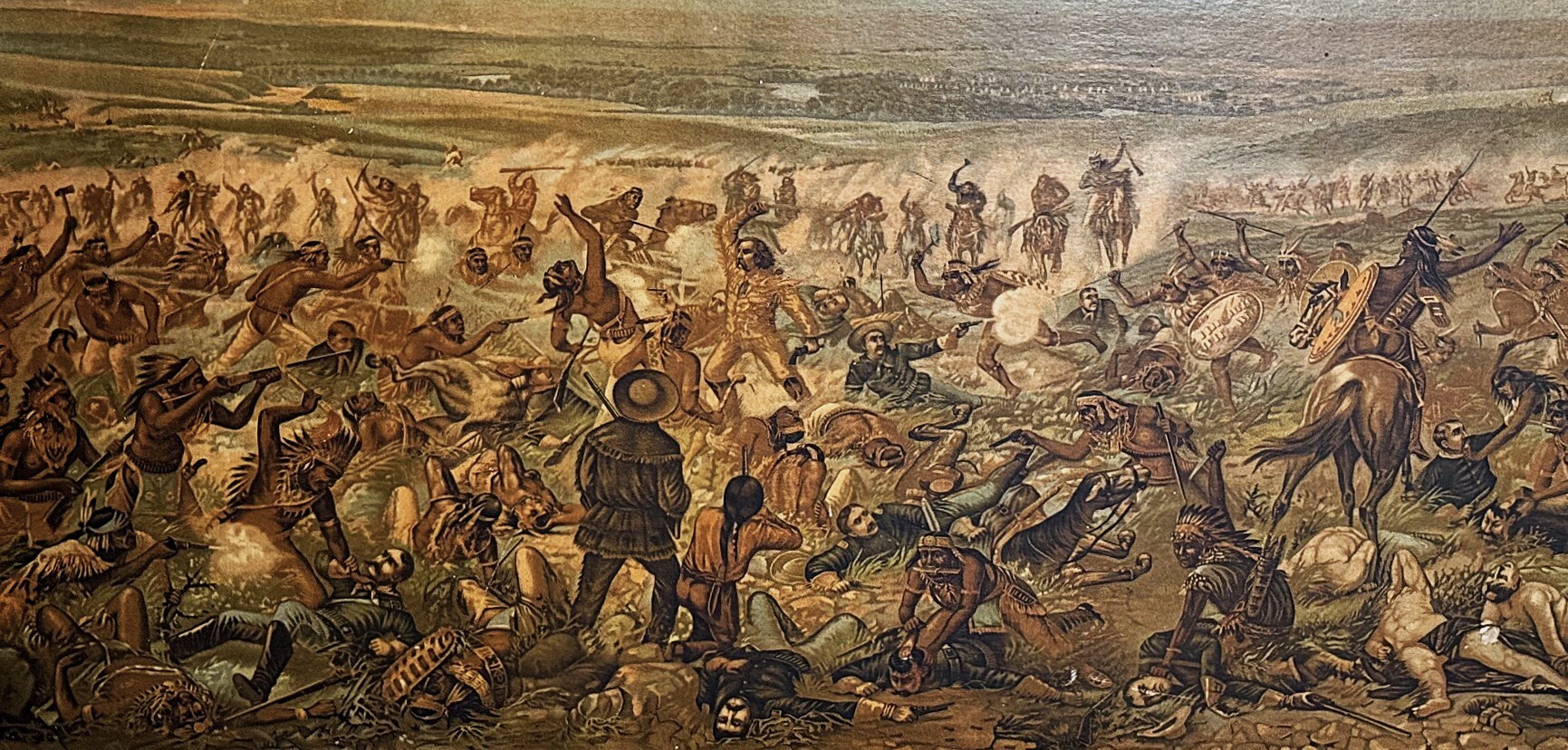
This legendary painting was reproduced and used within early Anheiser-Busch promotions. It was painted in 1881 by John Mulvany and is entitled, "Custer's Last Fight." Photo courtesy David E. Sneed, All Rights Reserved.
While this World's Fair Exposition took place in the eastern portion of the U.S., a great deal was happening in the American West at the same time. Cowboys, cattle, and chuck wagons were headed out of Texas to markets north, emigrants continued to 'Go West' in search of opportunity and dreams, gold rushes fanned the fantasies of prospectors, and the U.S. Army's fresh defeat at the Battle of the Little Big Horn reminded the world that the West was still wild.
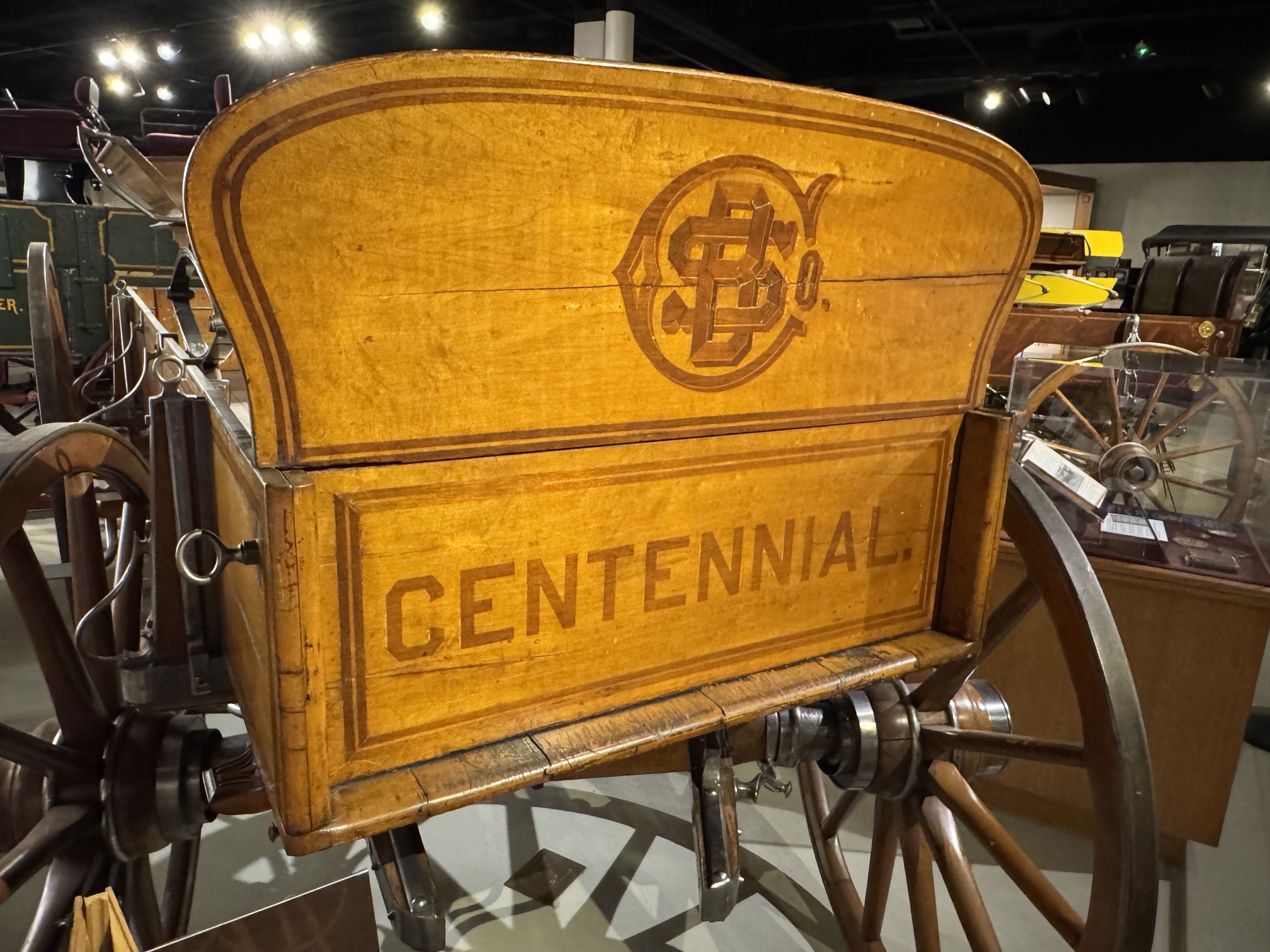
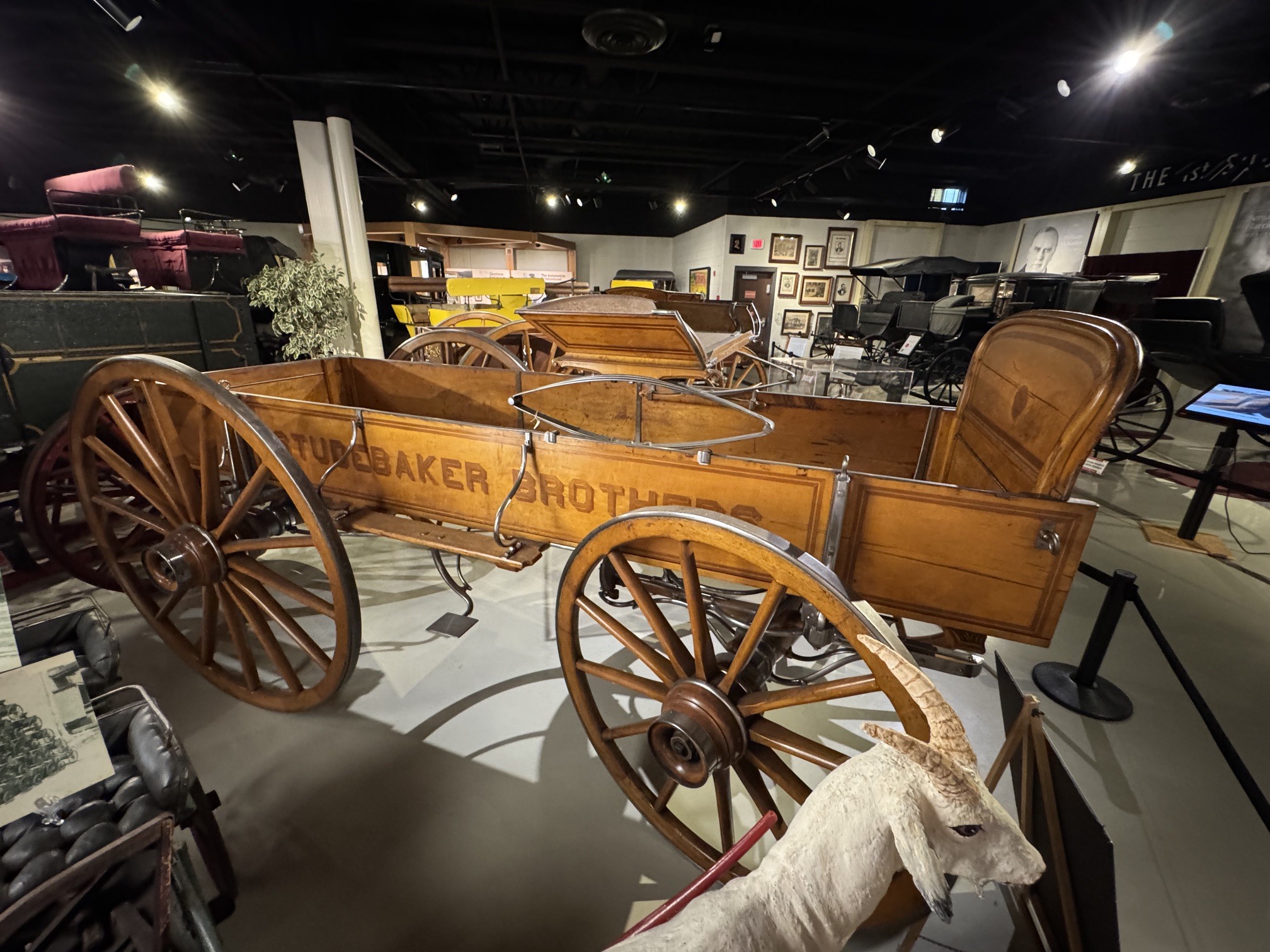
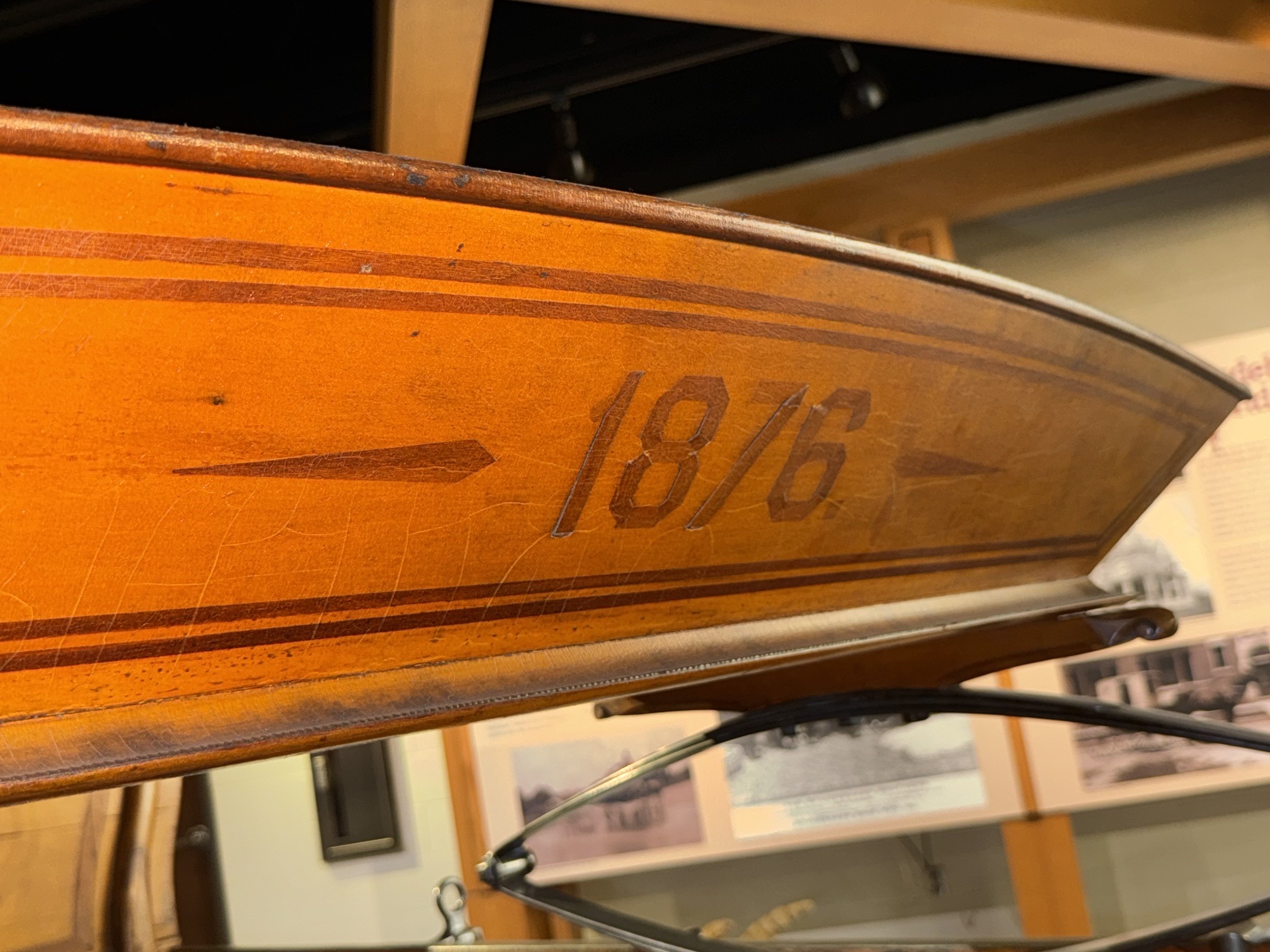
Surprisingly few photos of the wagons displayed at that first World's Fair have survived and only one actual wagon is still on the planet. It's known as the Studebaker 'Centennial' wagon and it can be seen in the Studebaker National Museum in South Bend, Indiana. The box of that wagon is made of bird's-eye maple while the running gear is crafted from oak. The flush inlays on the box are rosewood. At a time when a standard farm wagon might be priced at $125, this showpiece cost the Studebaker Brothers $700 just to build for themselves. During its lifetime, the 'Centennial' wagon won a Silver Medal at the Paris Exposition, was promoted by P. T. Barnum, and displayed at countless public events. It was also involved in two shipwrecks. The first ocean encounter left the wagon unscathed. The second, however, occurred in 1895 during a trip from New York to Atlanta and left the work of art totally submerged. In fact, it remained underwater for two days before it was able to be retrieved.
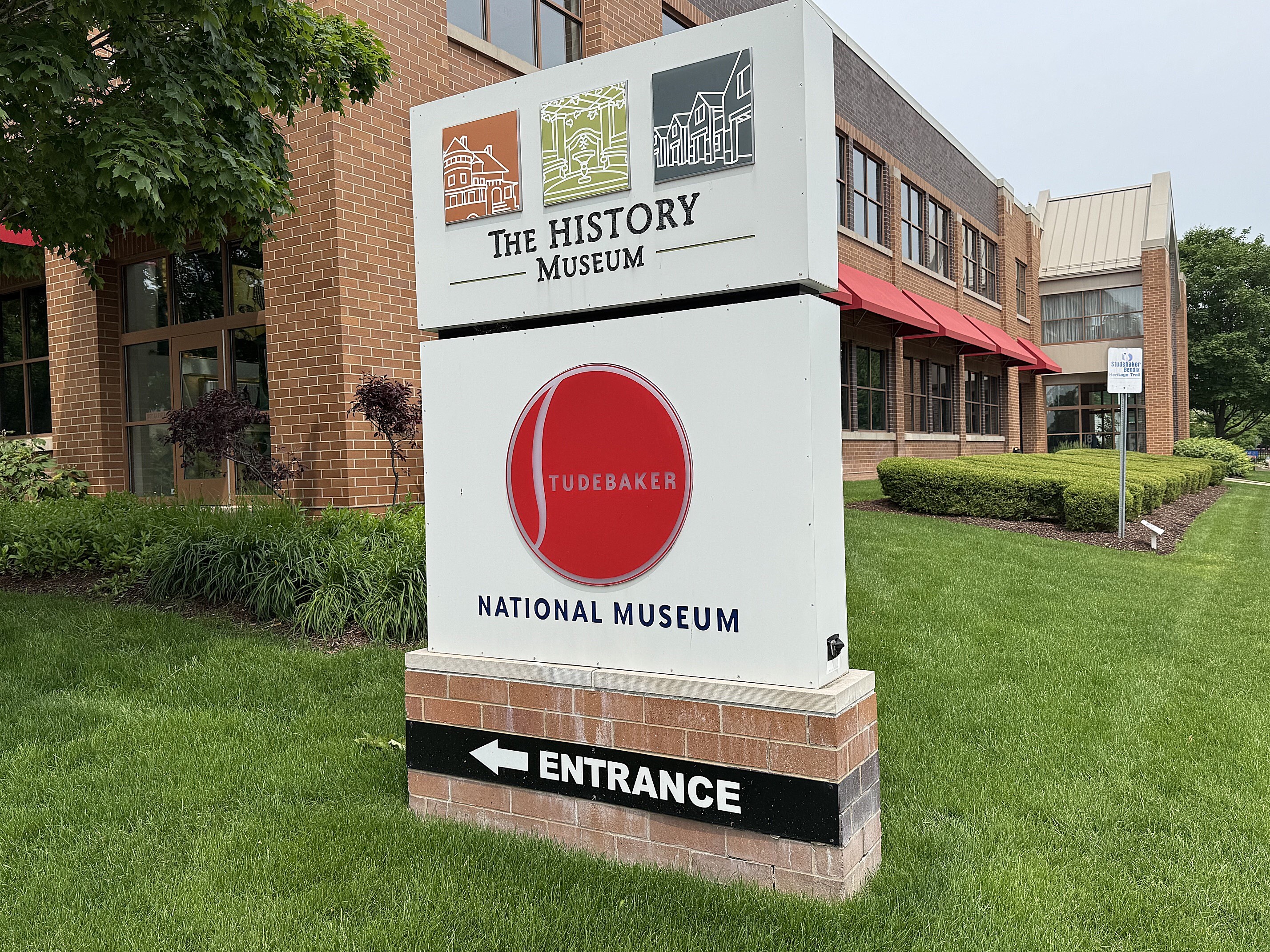
Looking at it today, most would never imagine the purposes, places, and problems this set of wheels has overcome. It's phenomenal that the machine is still here. Day in and day out, it continually reminds every generation of a time that will never happen again. In a way, the Studebaker Centennial wagon is a snapshot of life, I guess. The world has always been full of challenges, but patience, persistence, and good company can make a world of difference in our outcomes.

As we celebrate America's 250th birthday this year, it's interesting to ponder the opportunities in a day. Sometimes, something as simple as watching the wonder in another person can help us appreciate what we take for granted or overlook in a world that's always in a hurry. Without ever knowing I was there, that teenager set my thoughts in motion. No matter the era, we're all on a journey and, celebrated or not, technology and innovation are just part of what will both confound and reward us. Not everyone makes something that connects and intrigues generation after generation. Studebaker did. Peter Schuttler did. And so did countless other legendary brands from America's first transportation industry. Likewise, our founding fathers made a huge difference in others when they signed the Declaration of Independence 250 years ago. Some 2000 years ago, twelve others - unknown to the world but clearly chosen - stepped out on the wold stage, sharing the ultimate message from our Lord. That decision to make a difference makes all the difference as we travel the Trails of Time.