
One of the more intriguing parts of chasing history is the idea of finding a rare set of wheels that was used during America's 1800s - especially those that can be tied to the raucous, hard-travel days of the western frontier. It's a quest that can take a person to countless destinations.
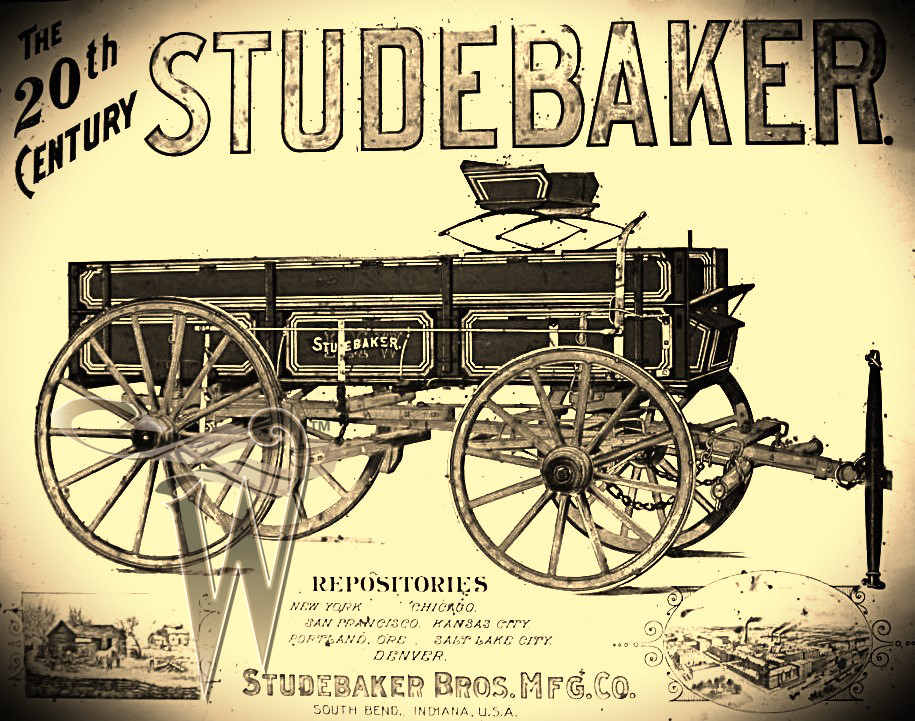
A turn-of-the-20th-century promotion from Studebaker featuring their Improved Mountain Wagon. Image Courtesy of the Wheels That Won The West® Archives.
In spite of the modern-day appetite for treasure hunting, searches like this aren't something new. Well over a century ago, the massive Studebaker Corporation was not only one of the top three auto makers in the U.S. but, the firm was also looking for its oldest-surviving wagon. It was a search to showcase the company's commitment to building quality, long-lasting transportation. With a vast network of dealers and sales reps, it didn't take long for word to spread. Studebaker was on the hunt and was willing to compensate owners just for sharing their workhorse stories. It was a promotional ploy very capable of a social media frenzy and YouTube documentary today. Prior to the early days of commercial radio, details of the search were largely left up to word-of-mouth, newspaper notices, magazines, promotional hand-outs, and trade publications. In our case, we found the idea highlighted in a 1913 issue of "The Carriage Monthly" and thought you'd appreciate seeing the story...
Away back in 1865, forty-eight years ago, Dave Clark bought a farm wagon. The Civil War was over. Men's minds turned to thoughts of peace and the country was trying to forget the throes of the conflict by sturdily endeavoring to conquer the agricultural possibilities of the Northwest. Mr. Clark purchased his wagon from the Studebaker agent at Giletteton, Wis. (Gillette?), drove it out to his farm, and from that day to this that faithful old wagon has been hauling Mr. Clark's grain and potatoes and truck to market. Figuring that a working year contains 300 days, Mr.Clark's wagon has been working for 14,400 days, and allowing a ton to the load, it has hauled a like number of tons for its owner, over good road and bad through winter storms and summer heat.
This remarkable story of a farm wagon was unearthed by the house of Studebaker when it was decided to offer prizes to the owners of the oldest Studebaker wagons. Studebaker publishes an almanac, which has a tremendous circulation among the farmers of the United States, and a page was devoted to explaining that, as the house had been building wagons for over half a century, it would be interesting to learn whether any old wagons had survived the wear and tear of years of service, and to stimulate interest a series of prizes was offered.
Now, it has been a boast of the Studebakers that a Studebaker wagon was built to last. Tested iron and steel, air-dried lumber, careful workmanship are built into every wagon sold, and it was reasonably expected that a farm wagon, properly used, might last twenty-five years.
The result of the quest for the oldest wagon surprised the experts of Studebaker. A wagon that had been in service twenty-five years was a mere infant, so-to-speak. The wagons that had been in service for thirty years were half-grown children, to carry the comparison further, while there were ample records to prove that wagons of forty years of age were not uncommon.
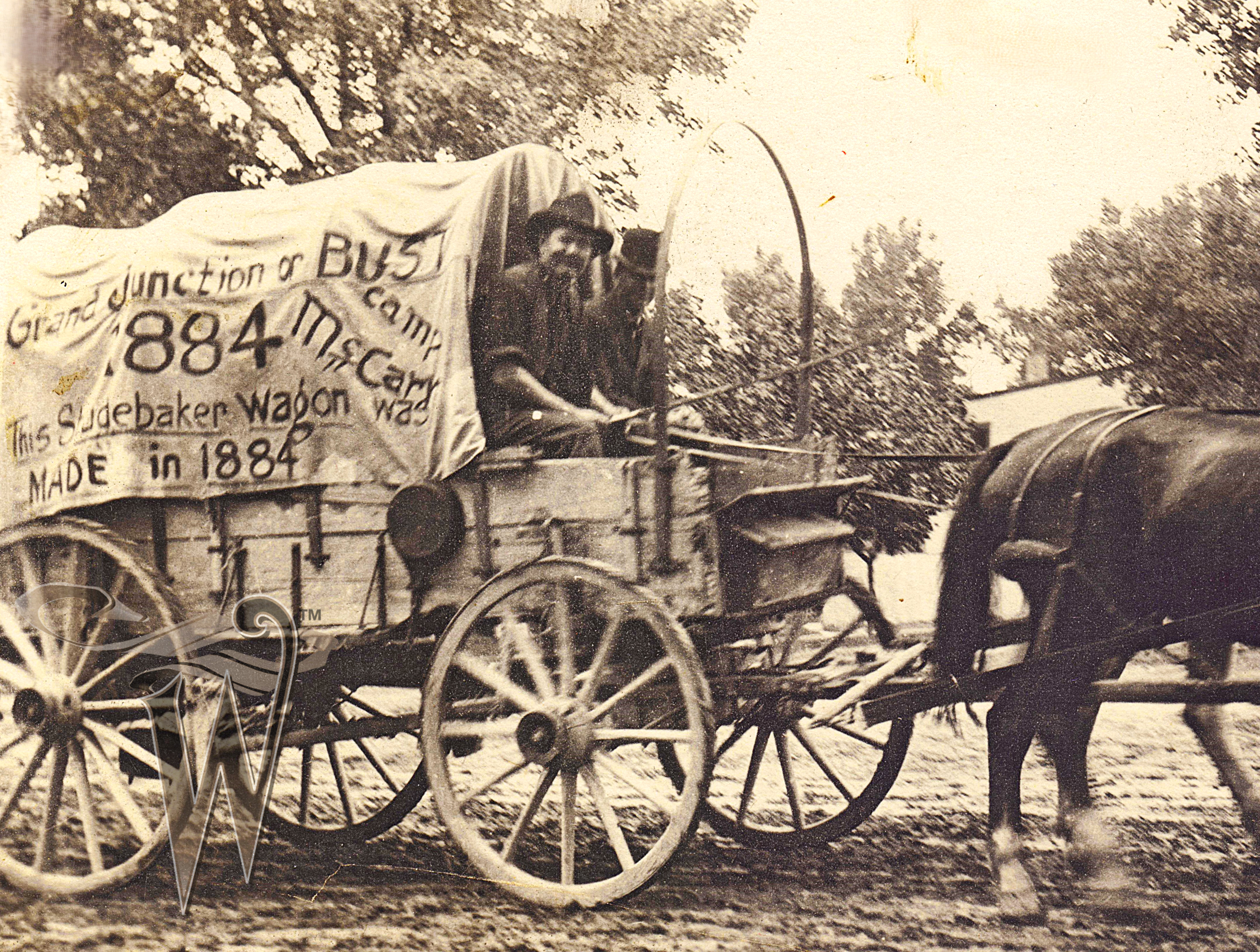
A surviving, 1884 Studebaker wagon. Image Courtesy Wheels That Won The West® Archives. All Rights Reserved.
Nowadays, even a forty or fifty-year-old pickup truck can be considered a coveted classic, easily capable of turning heads while sitting still. The function and feel are unmistakable old school but the look is a legacy that tends to reel in people and compliments. Whether it's a truck, car, wagon, or old stagecoach, there's something about yesterday's wheels that draws us closer, making us at home with ourselves and others. Transportation can transcend generations, enriching the day with unique and unforgettable moments.
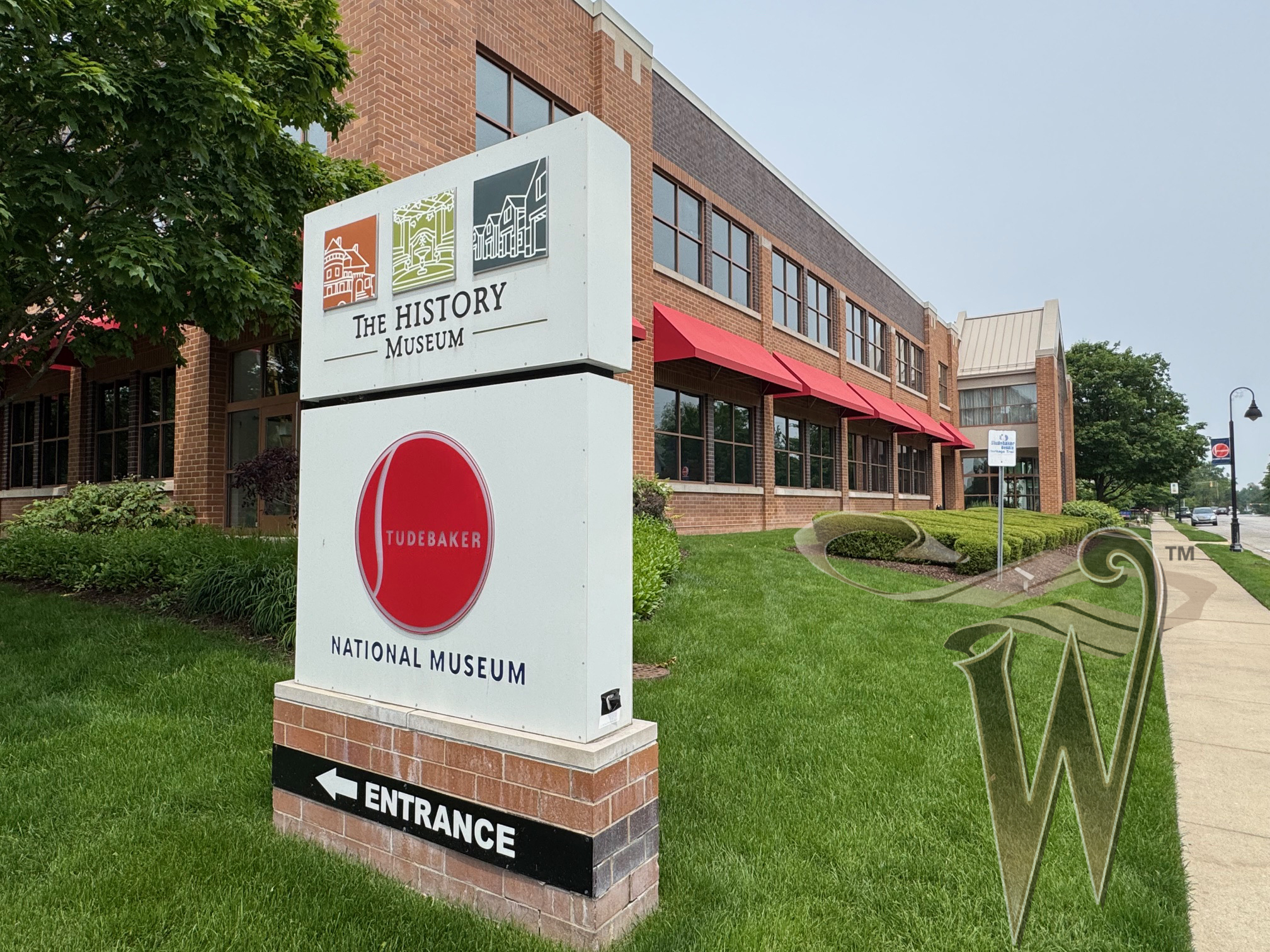
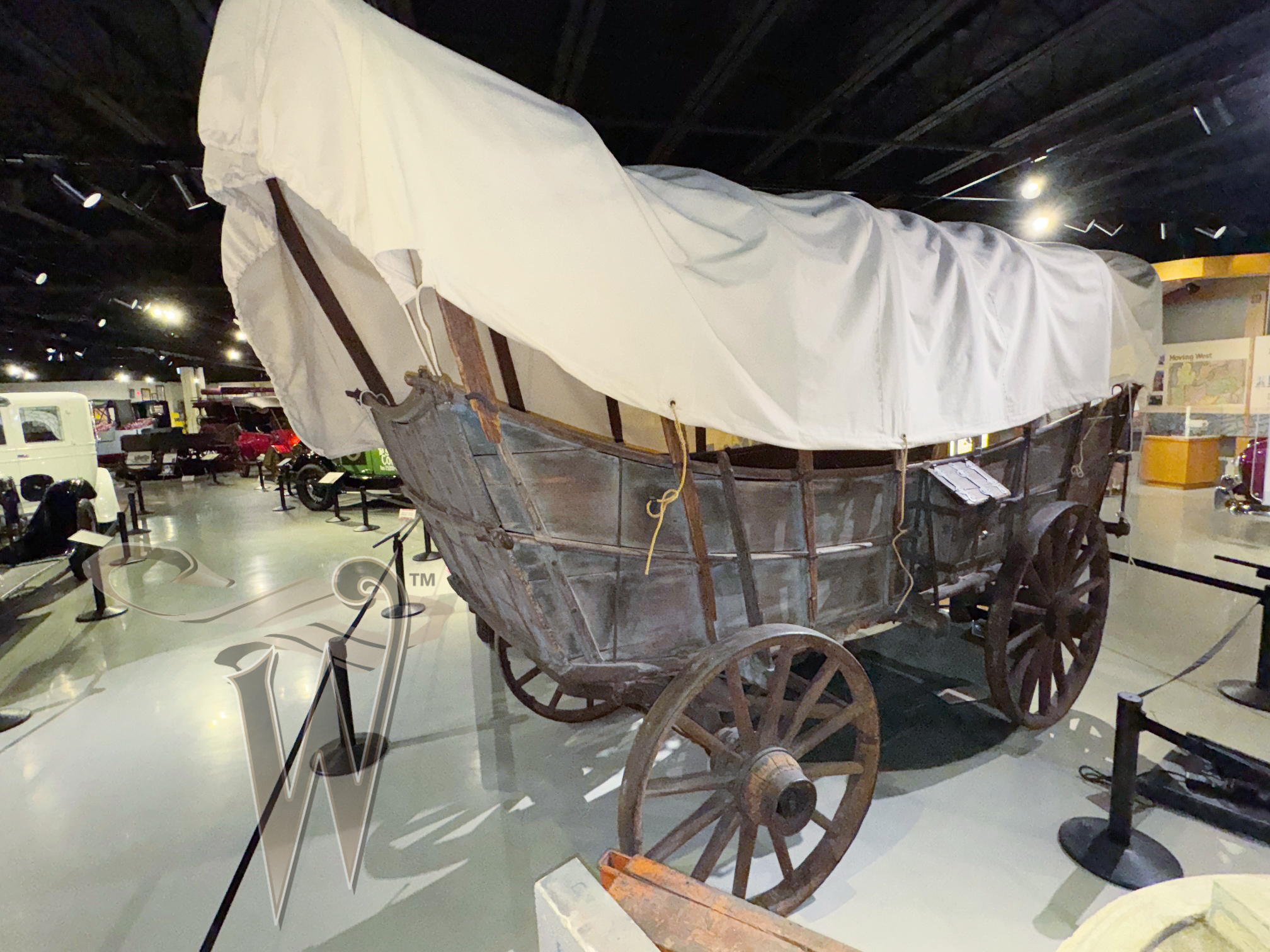
Of course, even with the official findings of the wagon search in 1913, the absolute oldest surviving Studebaker-built vehicle was - and is - not a factory wagon. It's the custom Conestoga-style wagon handcrafted by John C. Studebaker (family patriarch) around 1835 for his family's move from Pennsylvania to Ohio. It's doubtful that the elder Studebaker could have imagined just how much that move and machine would mean to his family. Not only would it be the foundation of a behemoth brand but would be the groundwork for making the name 'Studebaker,' legendary the world over. Today, nearly two centuries after that Conestoga vehicle was built, a large part of it still survives at the Studebaker National Museum in South Bend, Indiana. While the box is original, the running gear was replaced in the 1880s. It's well-worth seeing this extraordinary artifact as well as hundreds of other rare vehicles and history in the museum.
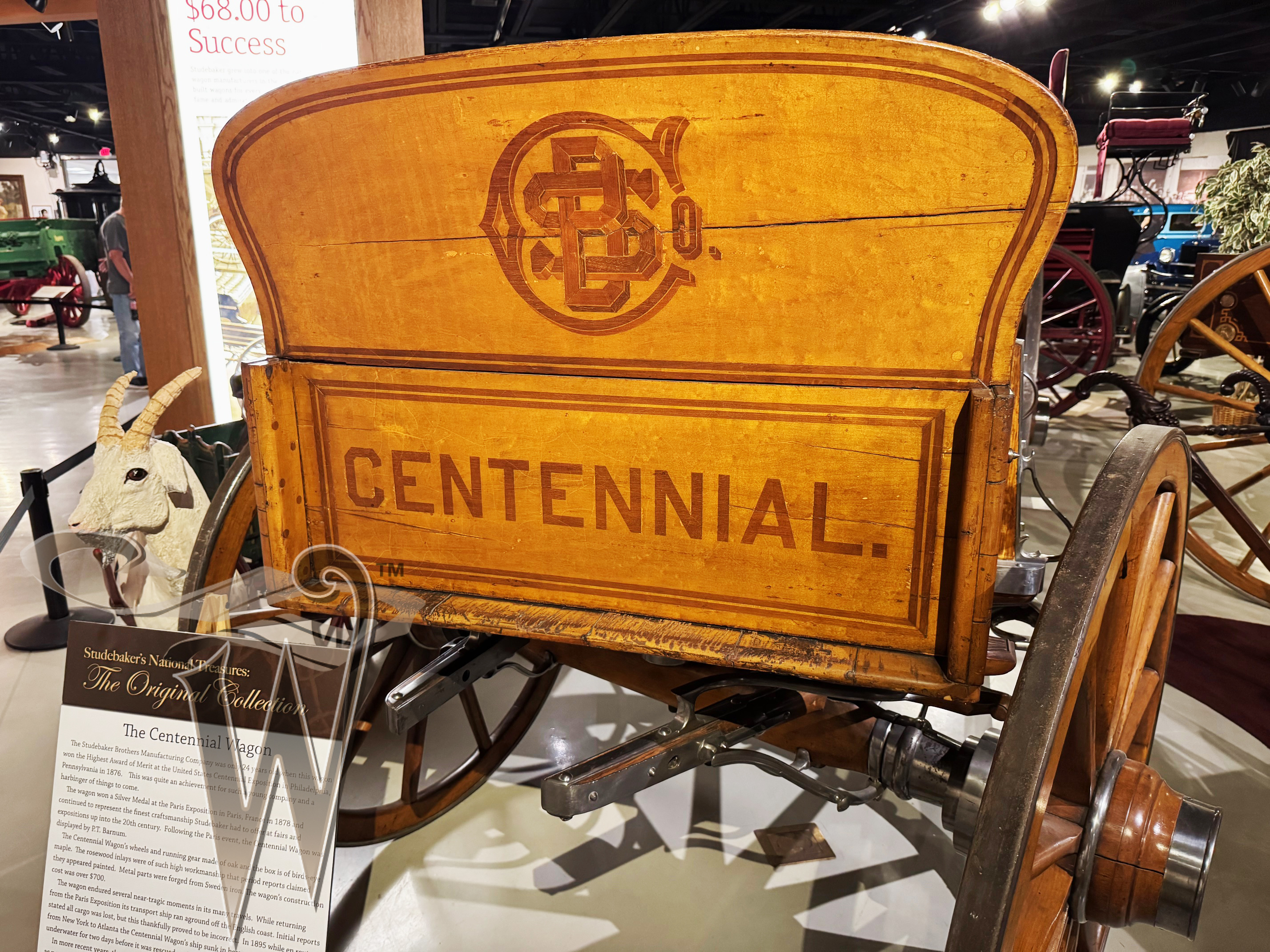
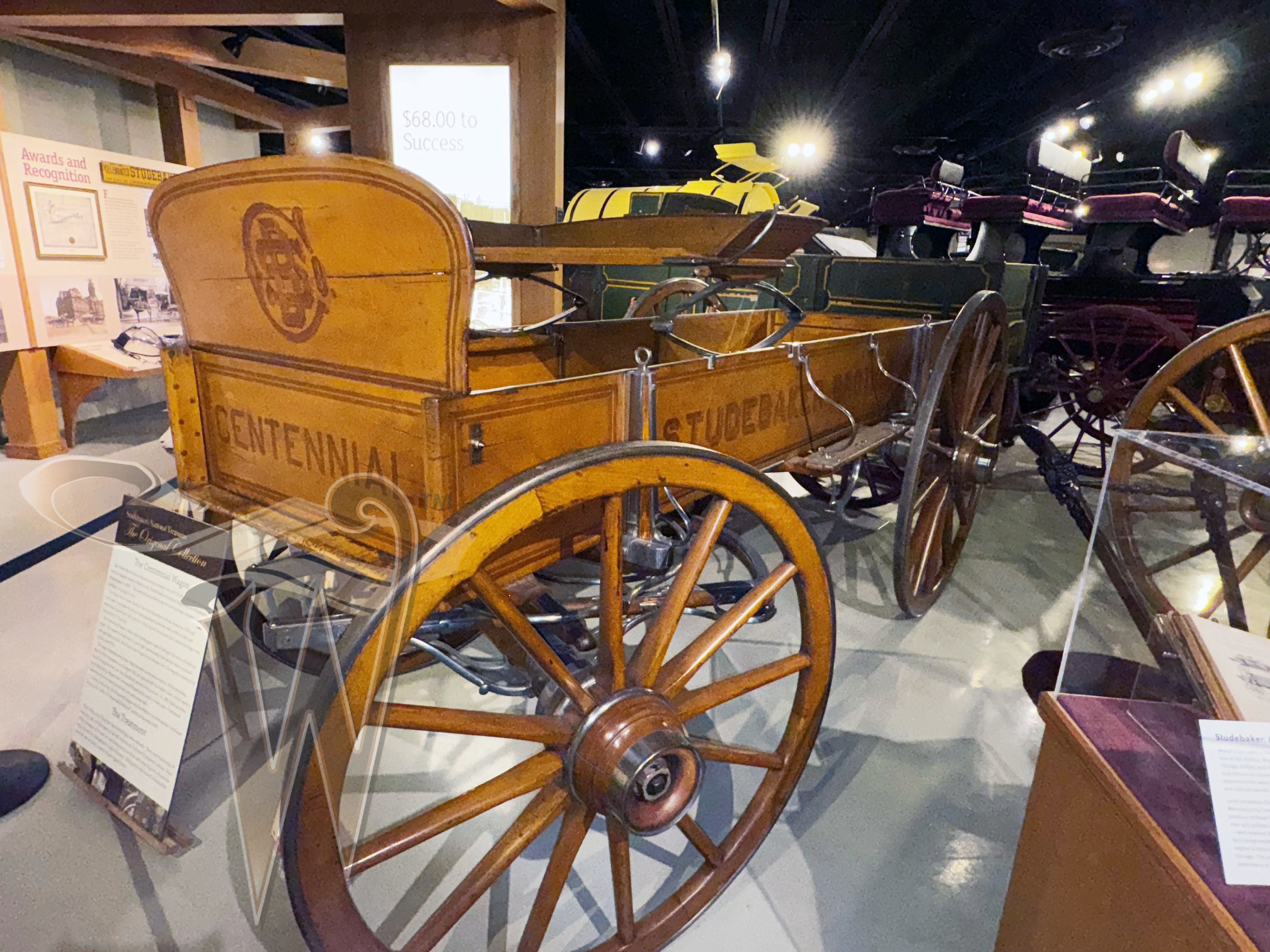
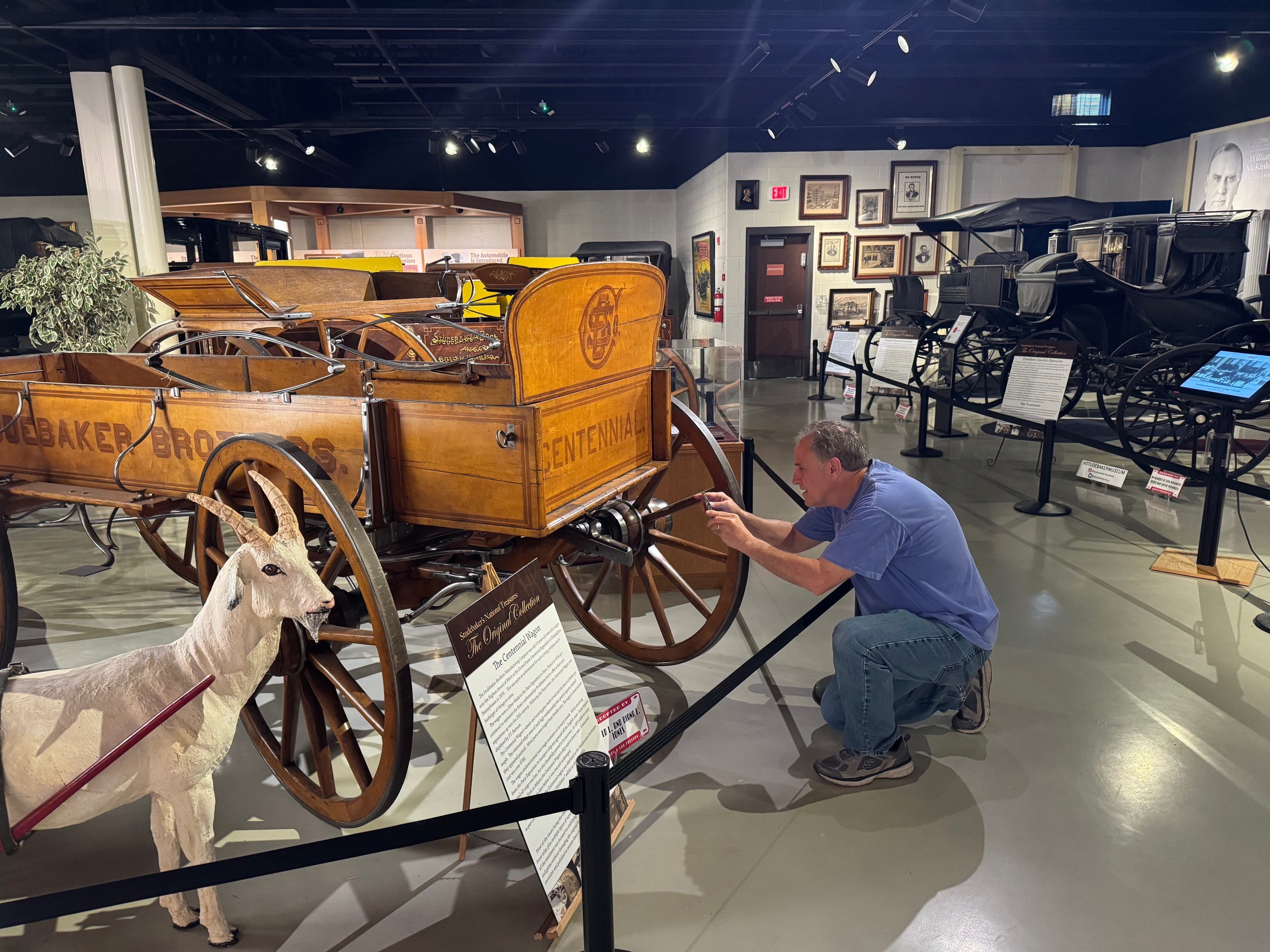
Other early wagons in the museum include one built exclusively as a show vehicle for the first World's Fair in 1876. This hickory-honed wagon won the Highest Award of Merit at the Centennial Exposition in Philadelphia. Another wagon shown at the museum is the 'Aluminum' wagon built for the 1893 Columbian Exposition in Chicago. This set of wheels was created to highlight the engineering prowess and extraordinary craftsmanship of Studebaker. At the time, aluminum metals were not only extremely expensive but difficult to work. Thise wagon also contains numerous medals and awards inlaid into the exquisite design.
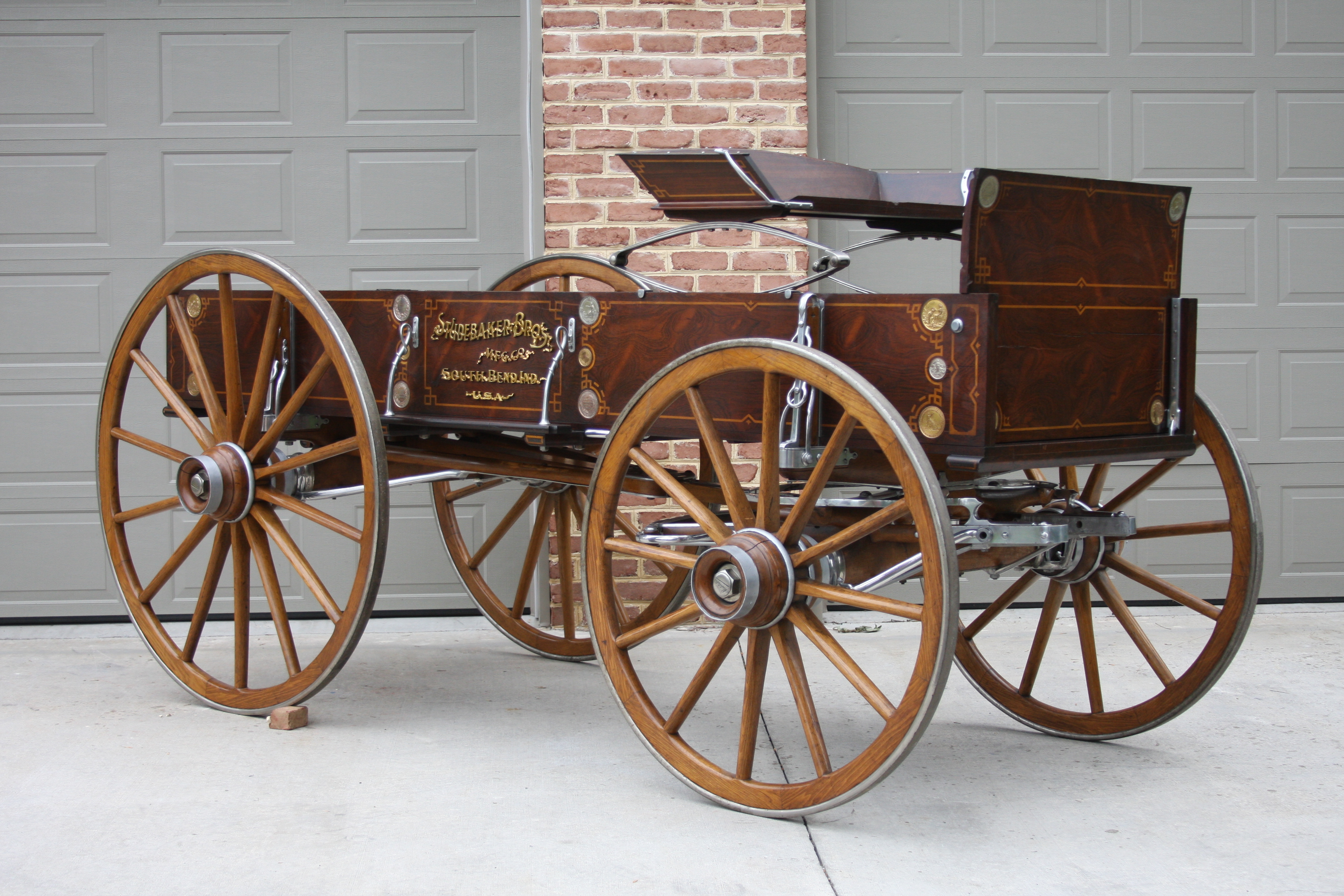
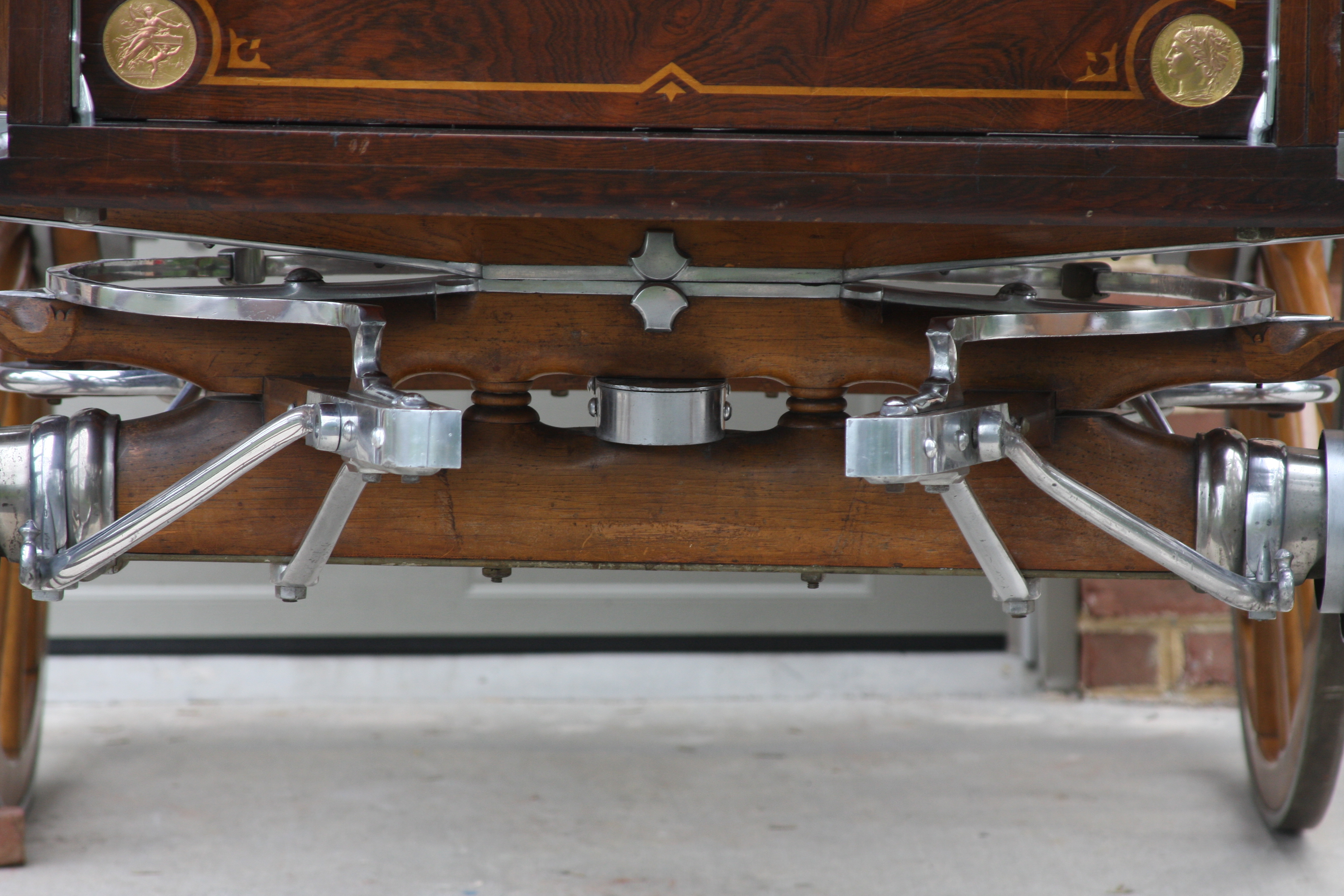
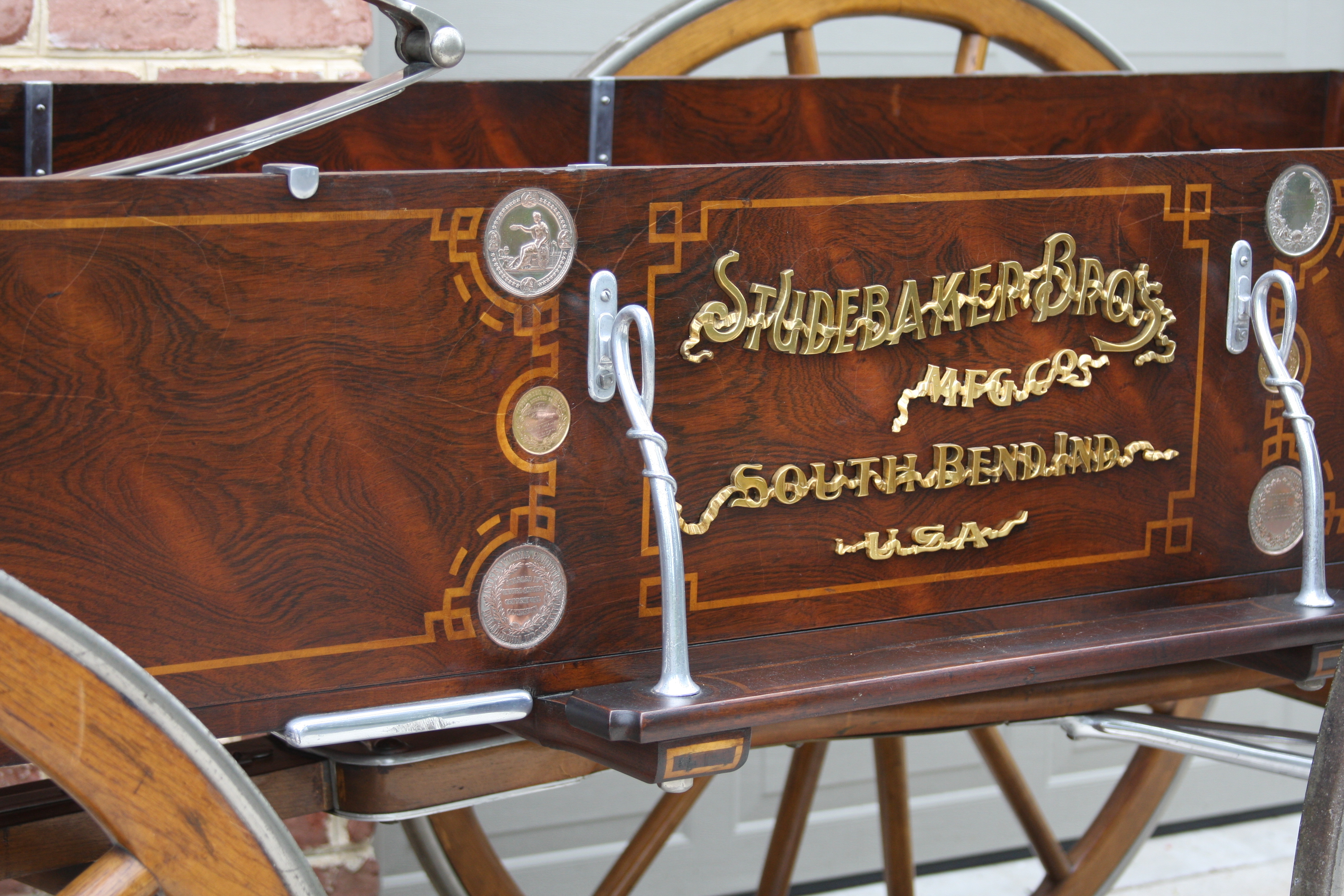
Built for the 1893 Columbian Exposition in Chicago, the Studebaker 'Aluminum' wagon still turns heads today. Construction costs for this wagon totalled $2,110.68... at least ten times the cost of a typical new wagon at that time. Images immediately above Courtesy of our historical conservation and preservation friends at B.R. Howard & Associates, Carlisle, PA.
While it's not known what's happened to any of the other wagons mentioned in the 1913 article above, it would be amazing to find one. Per the original story, the old Studebakers from 1865 and 1866 were located in several places. One was in Bemis, South Dakota while the others were in Candy Lake, Pennsylvania and Carson, Indiana (two towns we couldn't find evidence of today) We did find a 'Sandy Lake' in Pennsylvania. For anyone who might be familiar with those areas, though, it might be worth some coffee shop questions and old shed sleuthing. Who knows what's behind or beneath mounds of old hay, forgotten equipment, mazes of cobwebs, and dilapidated barns. After all, we never really know what waits around the next corner.
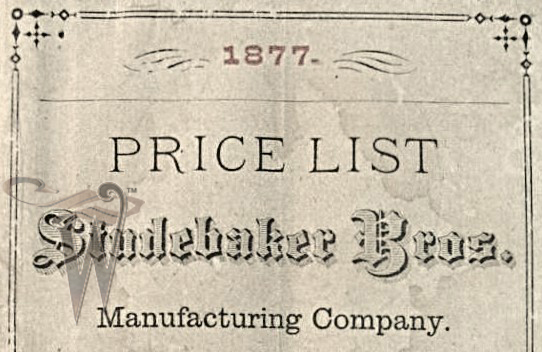
A portion of an 1877 catalog in our files. Image Courtesy Wheels That Won The West® Archives.
To that point, several years ago, we stumbled upon an incredibly well-preserved part of Studebaker's past and wasted no time adding it to the Wheels That Won The West® collection. The 1878 survivor is one of nineteen thousand vehicles that Studebaker made that year and is believed to be the earliest surviving, production-built Studebaker today. It's dated, still has its serial number, and a large amount of original paint. Proof... that diligent efforts can still be rewarded with special finds.
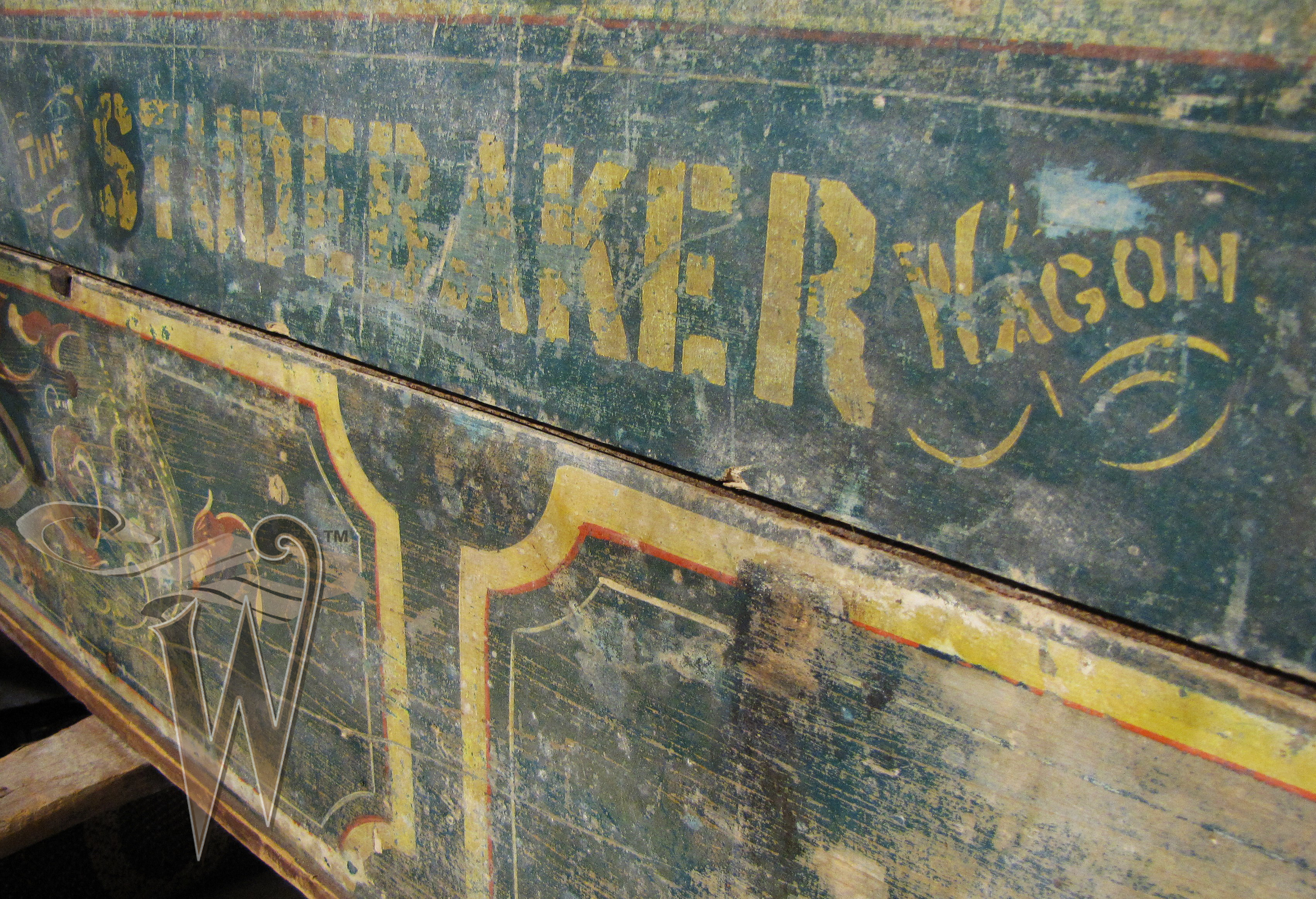
Day in and day out, from barn finds to bone piles, the search for survivors continues. With vast amounts of early literature and imagery, we're geared for the journey and truly enjoy the unique challenges of identifying makers, timeframes of manufacture, and overall evaluations. With 2026 being the 250thAnniversary of the founding of the United States, this is a special time in America. If you have a set of wheels you feel might be from the 1800s, drop us a line. We'd be glad to take a complimentary look. In the meantime, keep your eyes and ears open and don't overlook the obvious. Yesterday can show up when you least expect. Whether the name is Studebaker or another legend of the day, somewhere another surprise is sitting, just waiting to be discovered and appreciated once again. WTWTW
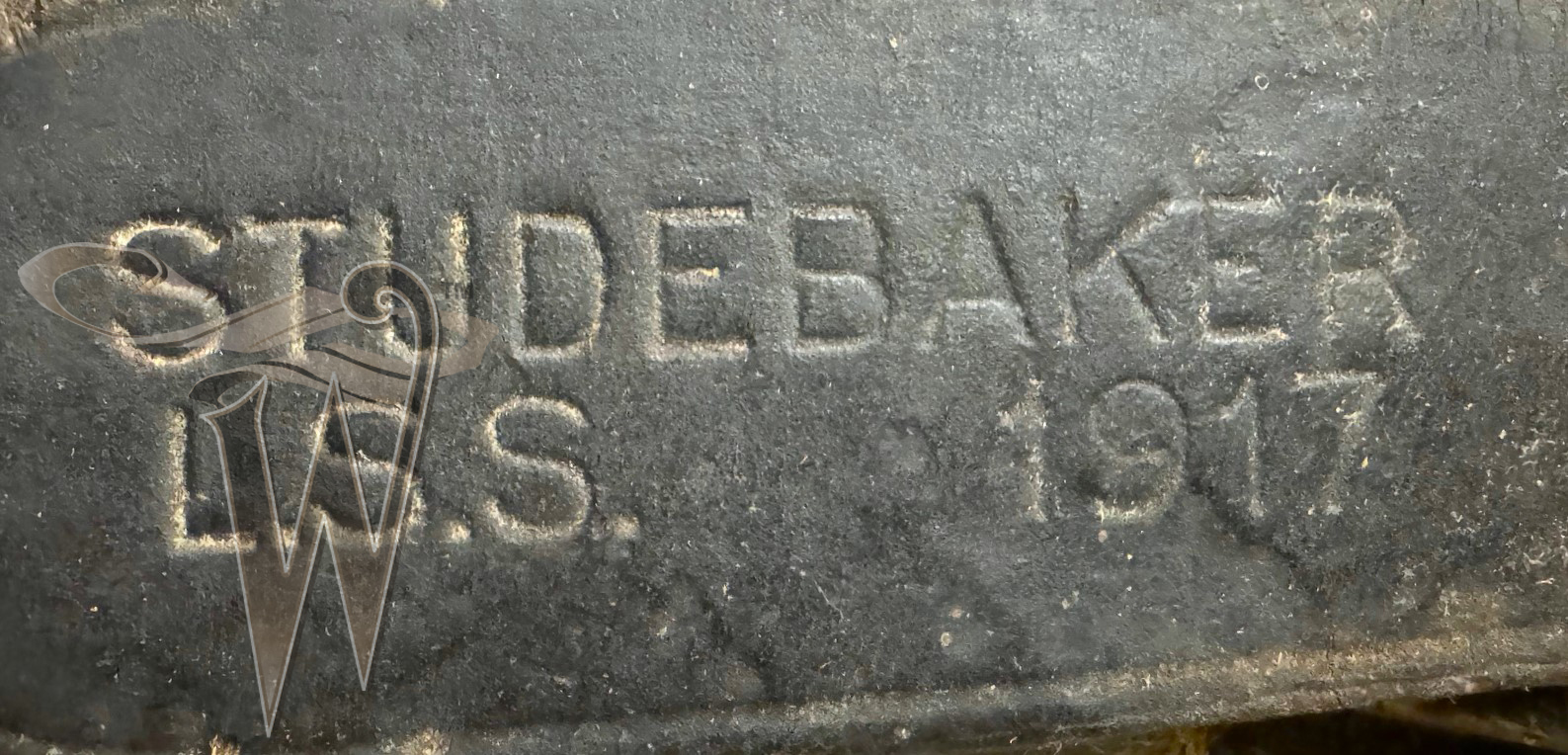
Not all horse-drawn treasures have wheels. This close-up shot shows a section from new-old-stock, Studebaker harness. It represents a set of WW1 ambulance harness that was never used. Image Copyright © David E. Sneed, All Rights Reserved.
Have a great week and don't forget to SIGN UP for notifications (upper right of this page) to every blog and article we publish.There's much more to come!
David
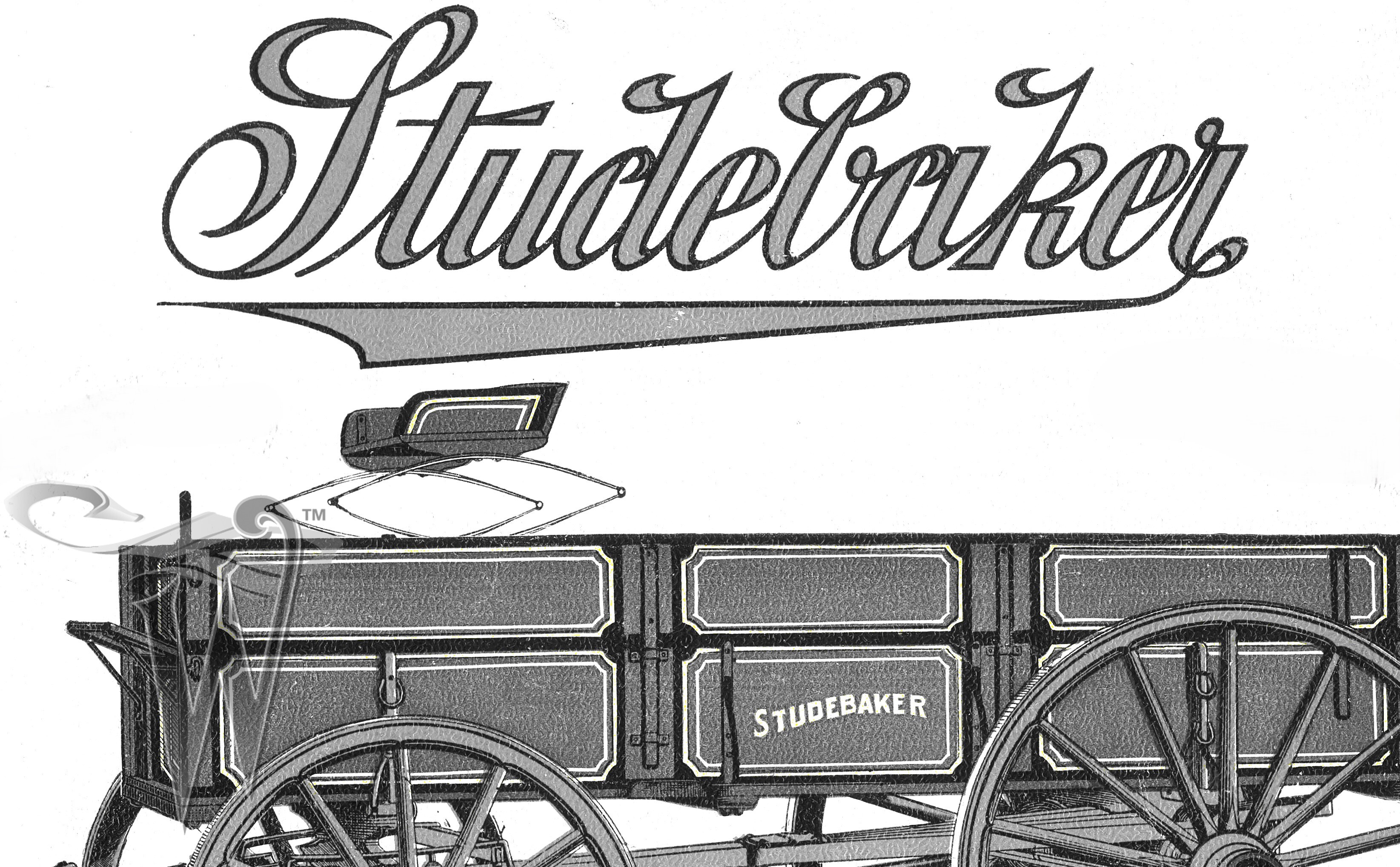
Image Courtesy Wheels That Won The West® Archives. All Rights Reserved.
Ps. 20:7