
Have you seen the movie, The Monuments Men? The film was released back in 2014. It focuses on the true story of the recovery of massive amounts of art stolen by Adolf Hitler and his forces during WW2. In one scene, George Clooney's character reminds his men of the significance of their assignment to find and rescue the art. He says, "This is our history and it's not to be stolen or destroyed. It's to be held up and admired..."

As a historian of America's first transportation industry - especially those wheels that went West - this movie line hung heavy on me. Day in and day out, I chase the past, expectantly turning over every proverbial stone, looking for anything that can tell us more about the wheels that made the legendary accounts of the Old West so powerful - and possible!
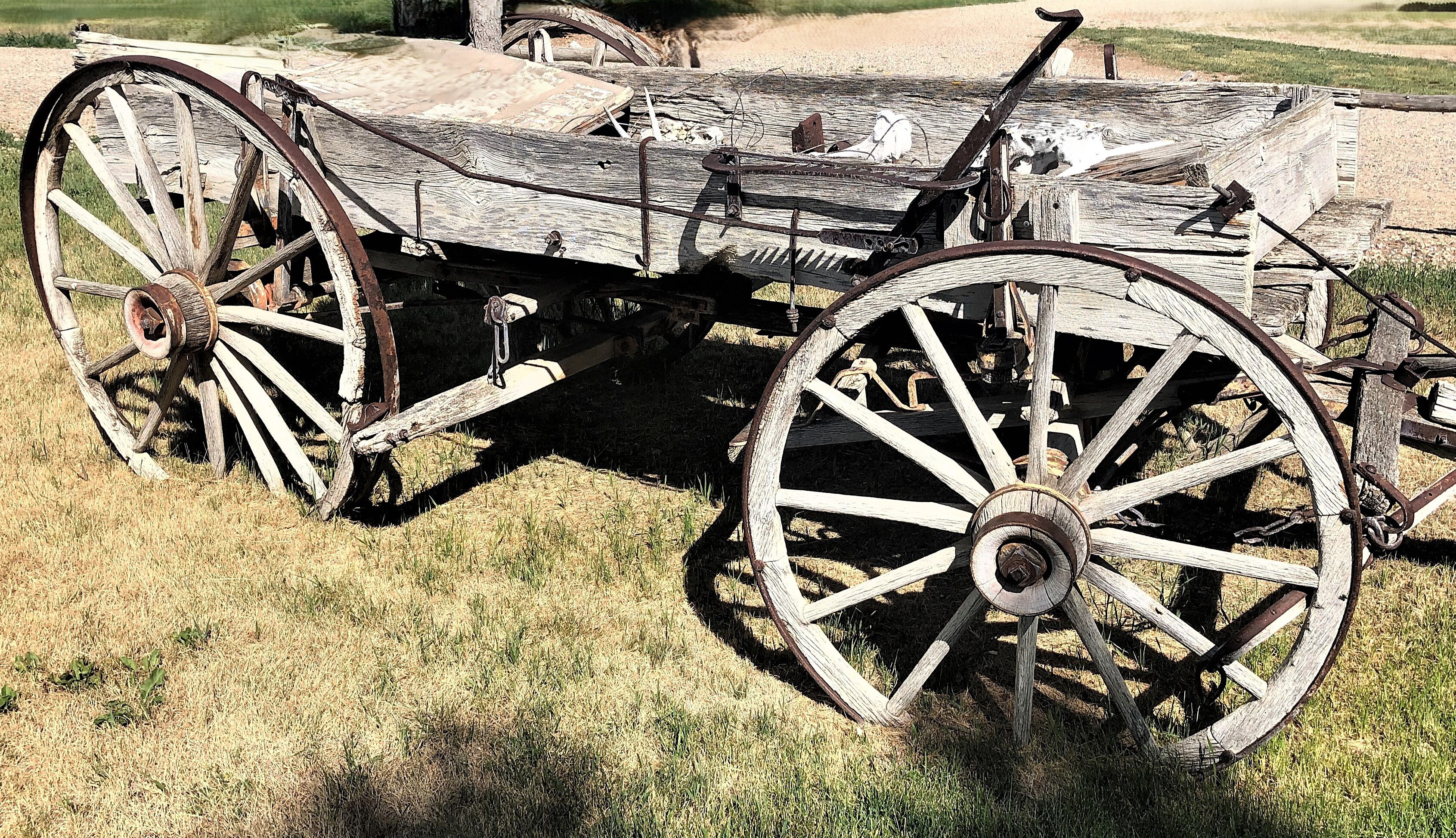
By the time we caught up with this old set of wheels, it had been allowed to deteriorate to the point that most of its wood needs to be replaced... not to mention the wheels buried in the ground. This is a rare, Bain Mountain wagon and is unfortunate it was allowed to drift so far into oblivion.
For more than three decades, I've been telling the stories of the wagons and brands that did the impossible; conquering mountains, rivers, rocks, snow, sand, salt, storms, plains, cold, heat, bogs, and countless other hardships and times of desperation. Yet, today, I still see these machines standing alone - outside, silent, slumped and sagging, mislabeled and misunderstood, their forgotten histories left to slowly and painfully rot away. I've even seen western wagons, dating to a time near the Battle of the Little Big Horn, treated as if they were so common they could be tossed and readily replaced. It's a hard truth to watch and regret is an unforgiving teacher.
Other wagons may be kept indoors, but how many efforts have been made to accurately document their histories? The stories behind these wheels deserve to be uncovered and told. They are our roots and, too often, the true background of an old wagon or stage is a special story completely unknown to those closest to it. If you own one of these wood-wheeled wonders, how much do you genuinely 'know' about it? Does it have any patented features? How old is it and can you authoritatively prove that assessment? What's unique or distinctive about it? What does its design tell you? How many vehicles from that brand or time have survived? What is original and what has been changed? Is that set of wheels a faithful representation of what folks were using during a particular period? Who did what, where, and when with it? The questions and background details are as endless as the stories hidden in their wooden hearts.
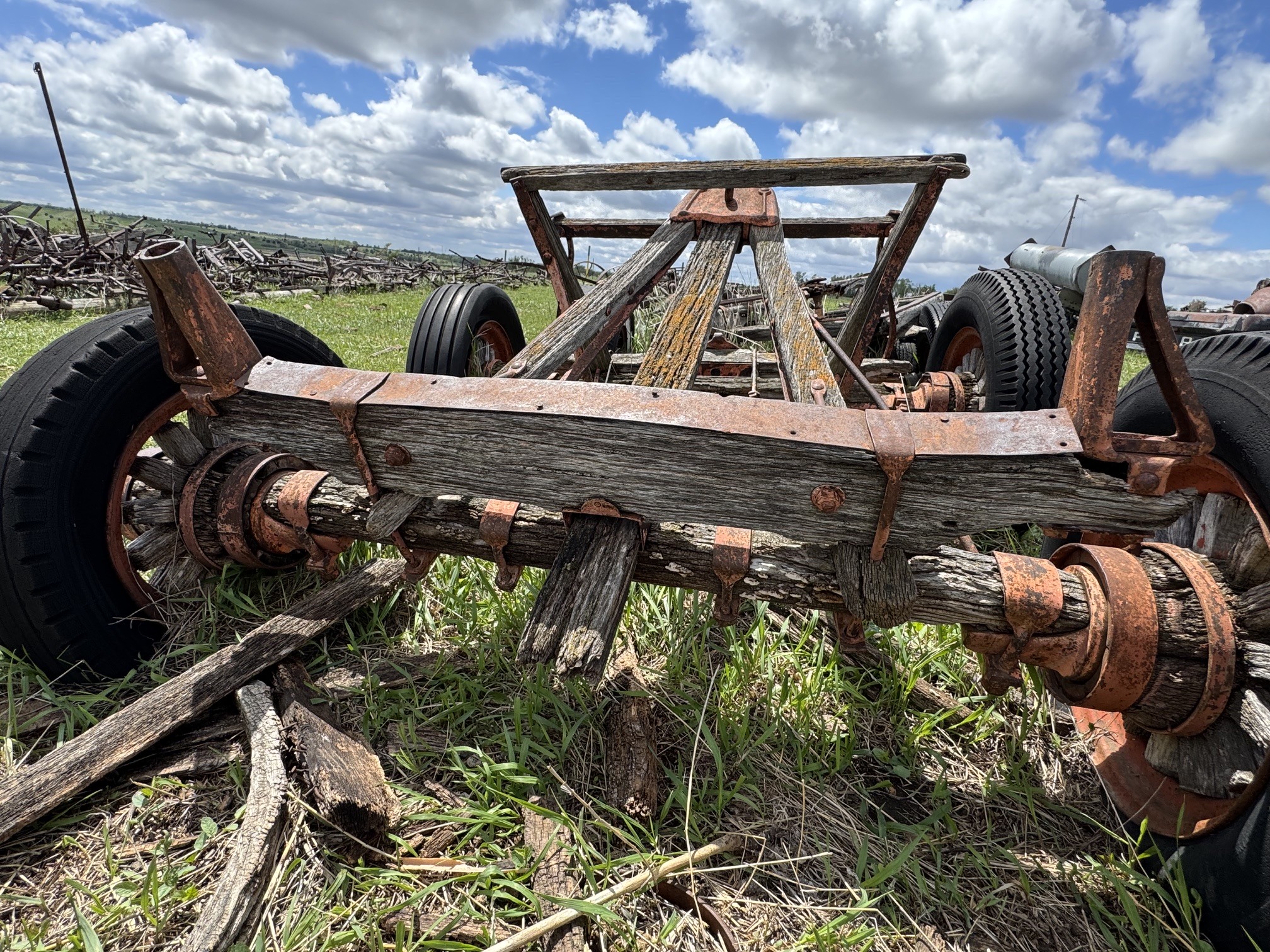
Even though the original wood wheels on the above wagon were replaced ages ago, there are almost a dozen design markers on the running gear confirming the original features of a specific maker.
If you own an early wagon or stage, have you researched its story? I can't count the number of times I've uncovered things that provide greater depth to and appreciation for a wagon or stage. The search process is rarely easy, but the rewards can be amazing, especially when I see a light come on and another person realizes the documented significance and (not social media guesses or hearsay claims) traceable heritage of a set of wheels. No two pieces are the same and forensically dissecting those differences can make all the difference in what we know.
Where am I going with all of this? Well, we're roughly two and a half months from a series of early, wagon-related presentations and demonstrations in Granbury, Texas. In all my years of traveling to different events, I don't know that I've attended one with as much western wagon information as this one is expected to share. If you're starting a vehicle collection, have a collection, are a chuck wagon competitor, wagon owner, reenactor, equestrian, have a wagon that's been passed down in the family, or are just a fan of the American West, this is a moment you shouldn't miss. We'll be focused on the wagons from the days when horseflesh ruled the roads and trails. I believe this to be the last true frontier of western study. Everything else, the cowboys, outlaws, gold seekers, speculators, weapons, trains, trails, trials, and pioneers, all seem to have been scrutinized over and over again. Only the vehicles that drove those days have remained largely unknown and unacknowledged. Instead, they're often lumped together as generic categories of simpleton machines with no more sophistication than a cave man might possess. Of course, nothing could be further from the truth!
If we think of these old wheels as a sealed book written in a forgotten language, then imagine us cracking open several lengthy chapters, decoding the contents, and sharing insights that many may never have known existed. It's all part of learning more about the machines and mega brands that built the American West. Looking back at the title of this week's blog, many of the early craftsmen and business execs were true Monument Makers. They built this country's first all-terrain vehicles and many of those machines - whether through the brand association or actual events - were rolling when incredible history was being made. Chuck wagons, farm wagons, freight wagons, stages, and military designs all traversed the West. Those survivors connect us to our past closer than a movie and more personally than a two-dimensional photo. Learning more of the backstories can help each of us more fully appreciate the wheels that carried the courage of those in search of hope, dreams, and the promise of potential.
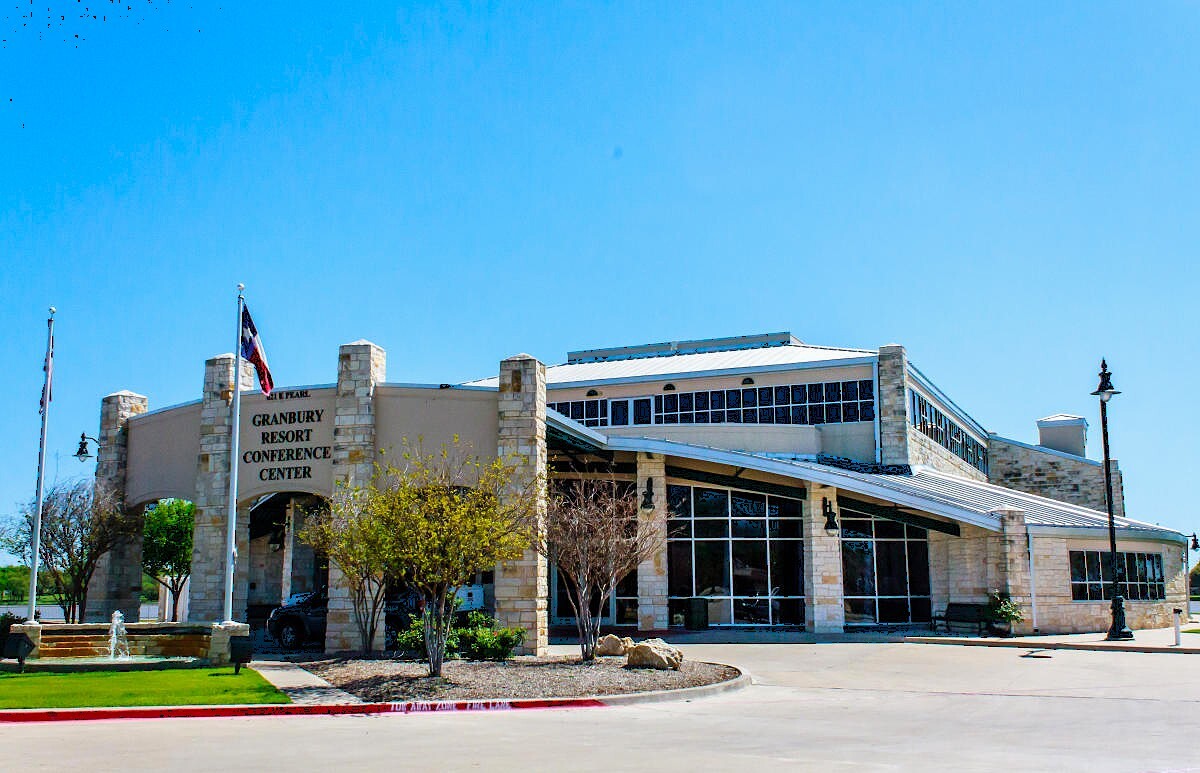
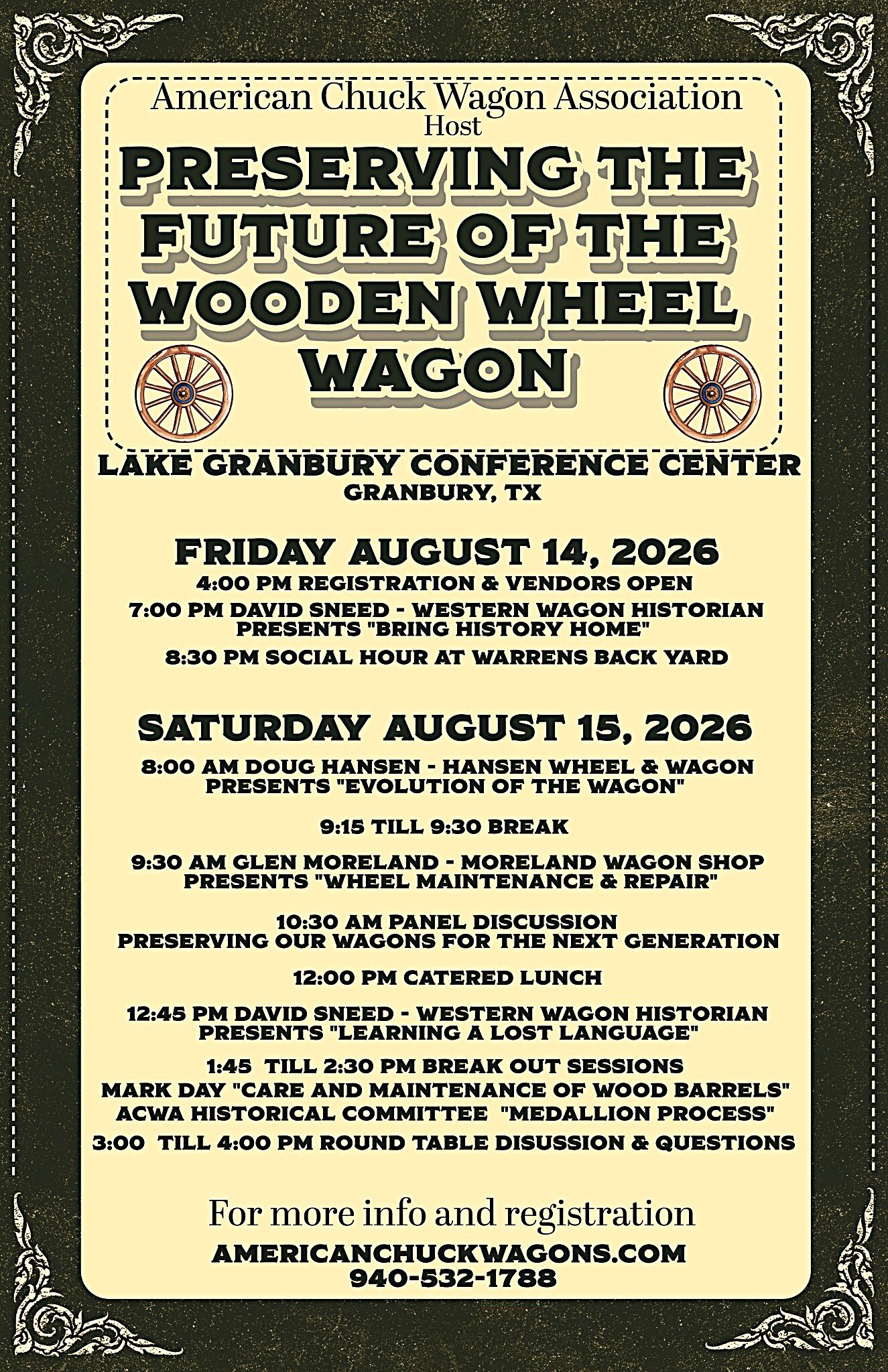
If you haven't already contacted the American Chuck Wagon Association for more information, I'd encourage you to do so. This will be a climate-controlled INDOOR event at the Lake Granbury Conference Center. Multiple, amazing wagons will be on display and it will take place over a 2-day period. The program will also contain a world of information not available on the internet and you'll have the opportunity to network with folks from all over the country. If you're planning the trip as a get-away with family and friends, don't miss the fossilized dinosaur tracks just a few minutes down the road at Dinosaur Valley State Park in Glen Rose. There's also a number of museums, galleries, a Wildlife Park, an 'Escape Room' and plenty of other experiences and historic sights in or near Granbury. Plus, all of this is just a few minutes from even more to see and do in Weatherford and Ft. Worth.


In short, August 14-15, 2026 in Granbury, Texas will be a time like no other. If you've ever wanted to know more about wagons from the nineteenth and early twentieth centuries, the industry, brands, vehicle features and accessories, or even your own treasured set of wheels, this is a moment that shouldn't be missed. It will be a memorable experience with plenty of the Old West to dive into. With that said, the clock is ticking on the registration period, and rooms will fill up quickly. I'd encourage you to reach out to the ACWA and get signed up soon. You can connect with them at...
Hope to see you there!
David
Ps. 20:7