
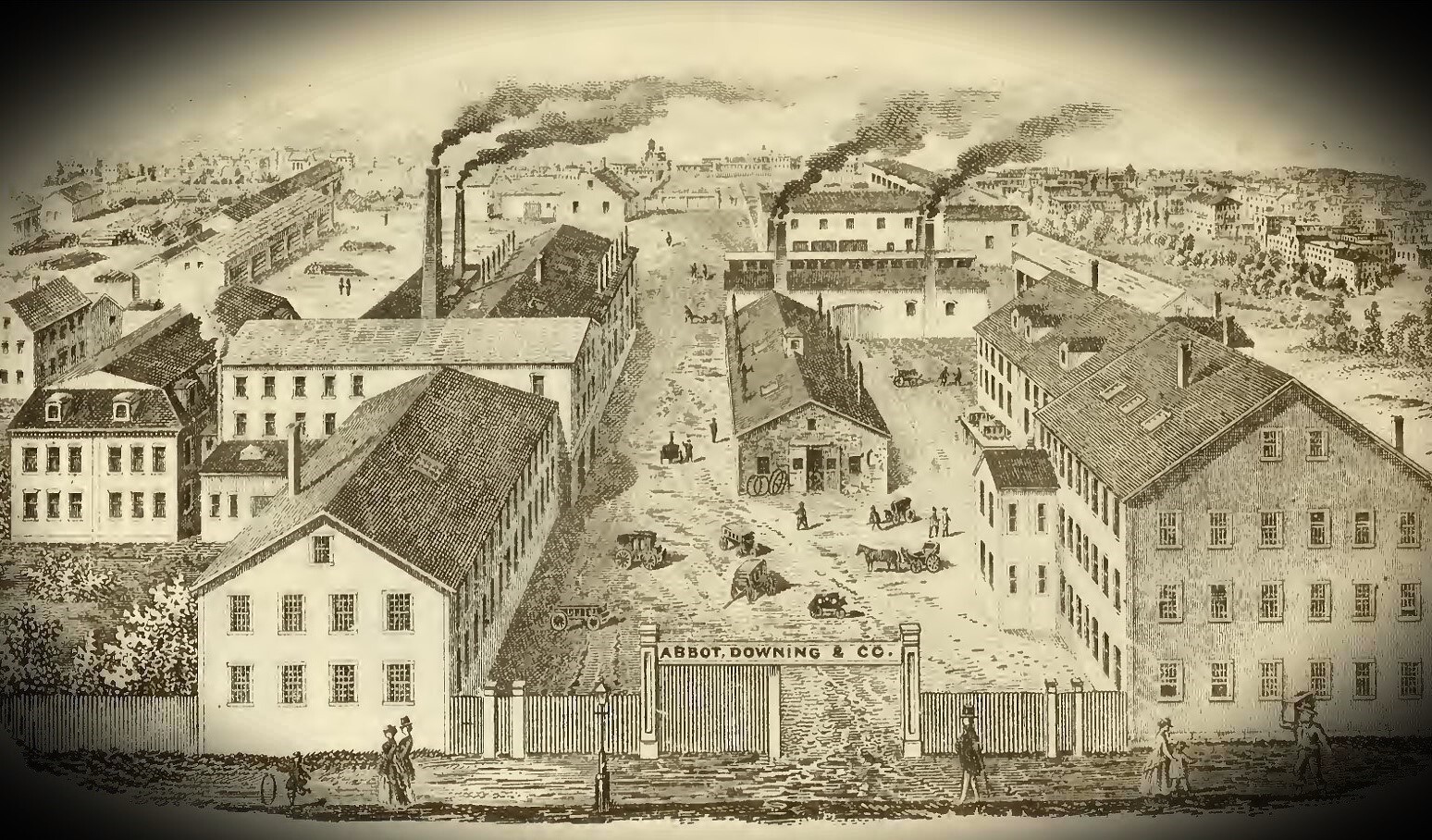
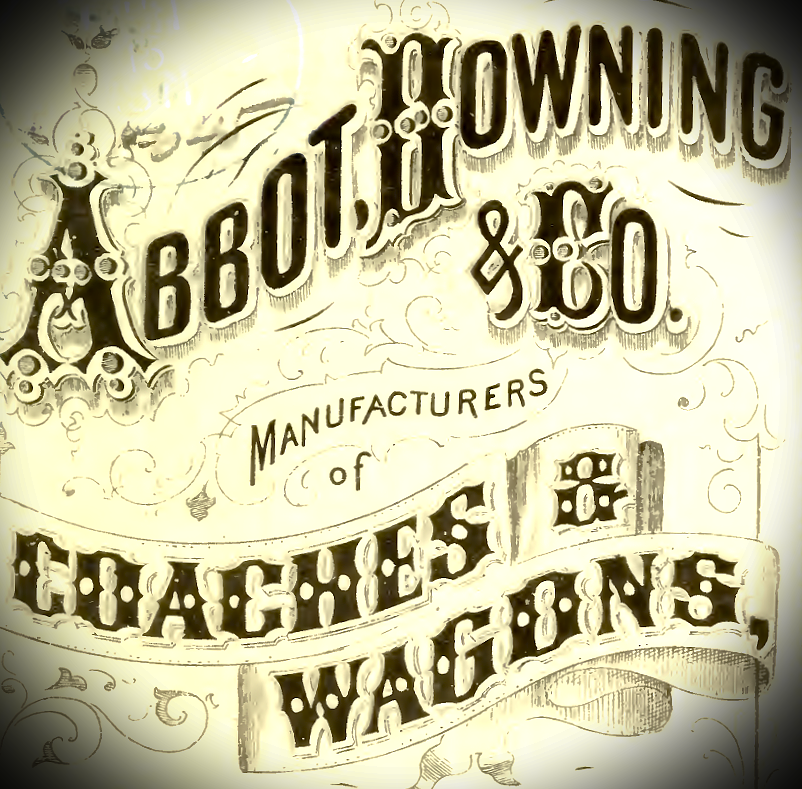
An illustration of the Abbot-Downing shops from 1871. The firm of J.S. & E.A. Abbot rejoined Lewis Downing, Jr. in 1865 after operating separate businesses since 1847. Image Courtesy Wheels That Won The West® Archives.
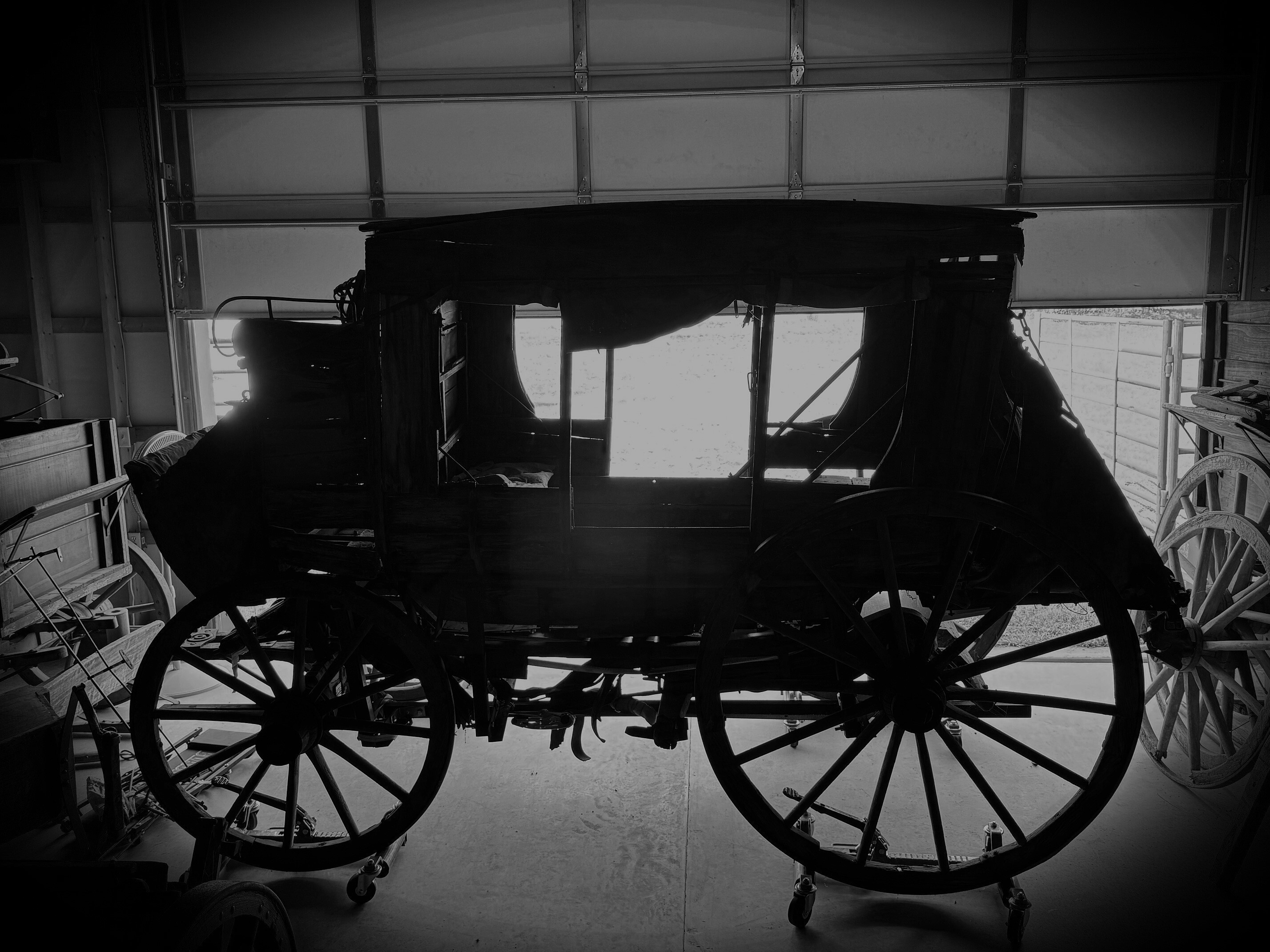
Not since the early 1860s has this old stage been scattered in so many pieces. Back then, the various phases of production had this project spread throughout multiple wood and brick-framed structures. The storied work-smiths at the vehicle shops of J.S. & E.A. Abbot (Abbot-Downing) were hand-forging perfectly matched metalwork. Seasoned craftsmen were chamfering, shaping, and master-fitting the joinery. In another part of the famed factory, an artist replete with camel hair brushes studied the order, preparing for the delicate striping of the straw-yellow wheels, tongue, and running gear. All of it would come together to fulfill order number 11911. Distinguishing the vehicle from others in production, that number was stamped into multiple places on the body and running gear (undercarriage).The finished fabrication was to include oil lamps, wooden side steps, leather-covered seats, room for nine passengers inside, and even more space on the box (driver's seat area) and roof. Built with thick, triple perches (reaches) slung under the rear axle as well as front and rear leather boots, fifty-six-inch rear wheels, a pair of drag shoe hooks, and snubbers to help stabilize the body in rambunctious terrain, this Heavy Overland model was engineered to take a beating. As the epitome of an impressively rugged frontier stage, this was also the largest of the 'mud wagon' designs made in Concord, New Hampshire.
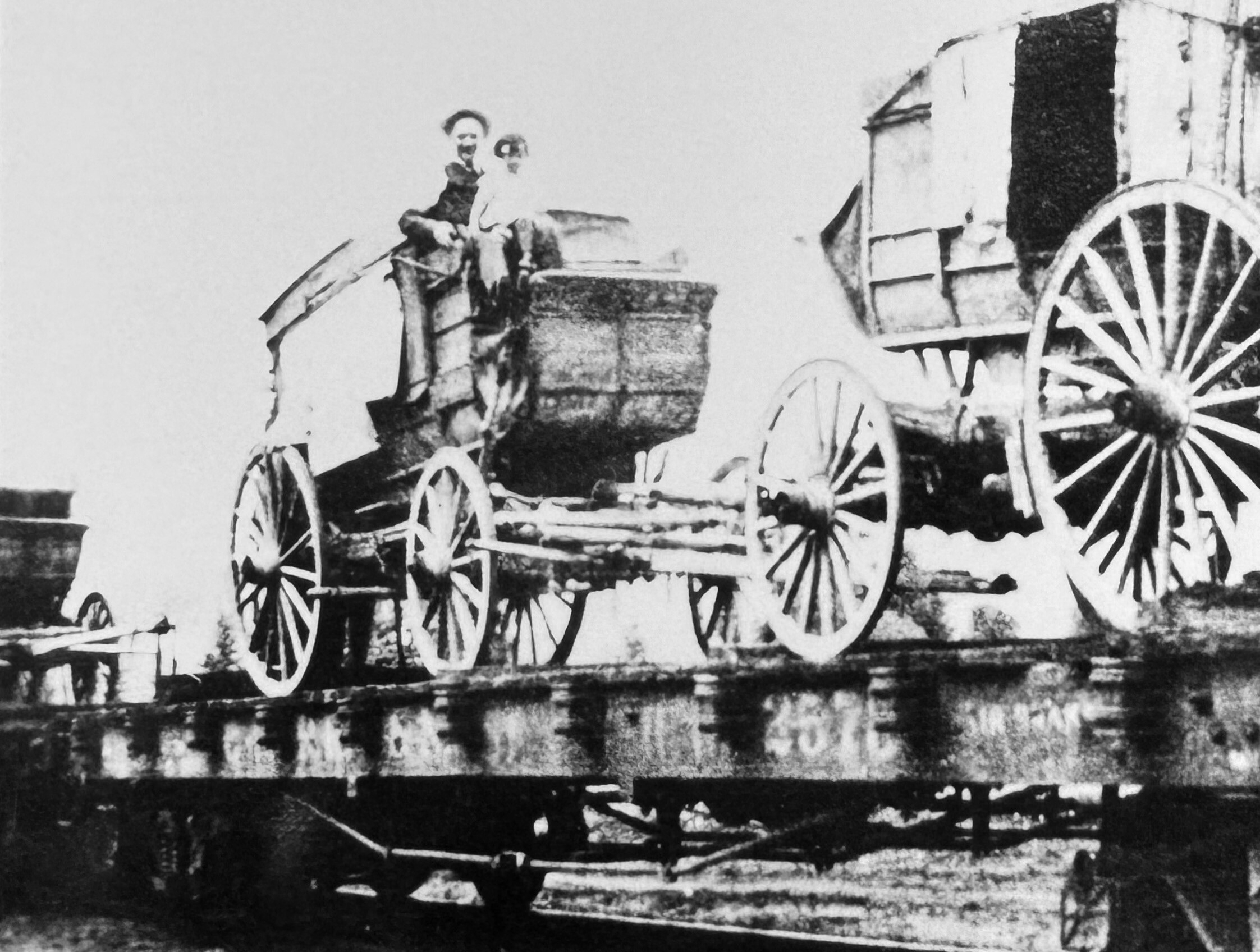
11911 (with people on board) is shown on a rail car circa 1910. Image Courtesy Beaverhead Museum - Dillon, Montana.
While the Civil War raged, America's appetite for transportation continued to grow. Work on the country's first transcontinental railroad was underway. Abraham Lincoln was in the White House. The Emancipation Proclamation and Gettysburg Address were fresh conversation and, woven into it all, the American West was wild with opportunity. Tying a huge chunk of the western territories together were the legendary wheels and whips (drivers) working on Ben Holladay's staging empire. With thousands of miles of staging routes under his control, Holladay held a strong grip on western stage travel.
By 1864, the 11911-numbered stage was traveling from Salt Lake City, Utah to Virginia City, Montana. The Idaho State Historical Society indicates that the Oliver and Conover Stage Company established this route in1863. However, by the middle of 1864, Holladay had received the government contract for delivering U.S. Mail between these points and his commanding domination forced Oliver and Conover out of business. It was a tri-weekly run for Holladay's Overland Stage. Due to his competitive control of the route, it's certainly plausible that 11911 was owned by him at that time. It's estimated that gold fever had brought an influx of as many as thirty thousand people to the Viginia City area since the precious ore had been discovered at Alder Gulch in May of 1863. The demands of so many people made stage lines both necessary and opportunistic.
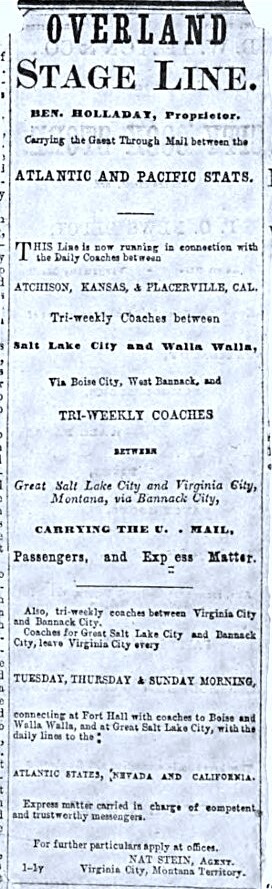
Ben Holladay advertisement for staging routes to and around Virginia City in the 1860s. This ad would have been running during the time that stage 11911 was there. Image from "Wonderland 1902" by Olin D. Wheeler.
According to research done by well-known Montana historians, Don and Stella Foote, 11911 is believed to have been one of - if not literally - the first actual stage to arrive in Virginia City, Montana. It's known to have physically carried the label 'Virginia' for at least a century due to that lineage. As of this date, we're aware of its work in Salt Lake City, Utah as well as Virginia City, Bannack, Red Rock, Wisdom, Divide, and the Big Hole regions in Montana along with Salmon, Idaho and countless other mining communities and related parts of the West. Marking this history, Billings, Montana celebrated the old stage in numerous 'Go Western' parades in the 1930s and 40s. Don and Stella Foote even had it on display in their Wonderland Museum in Billings throughout the 1950s and early 60s. They also worked with J.K. Ralston to create a painting of it - "The Attack" - in 1950.
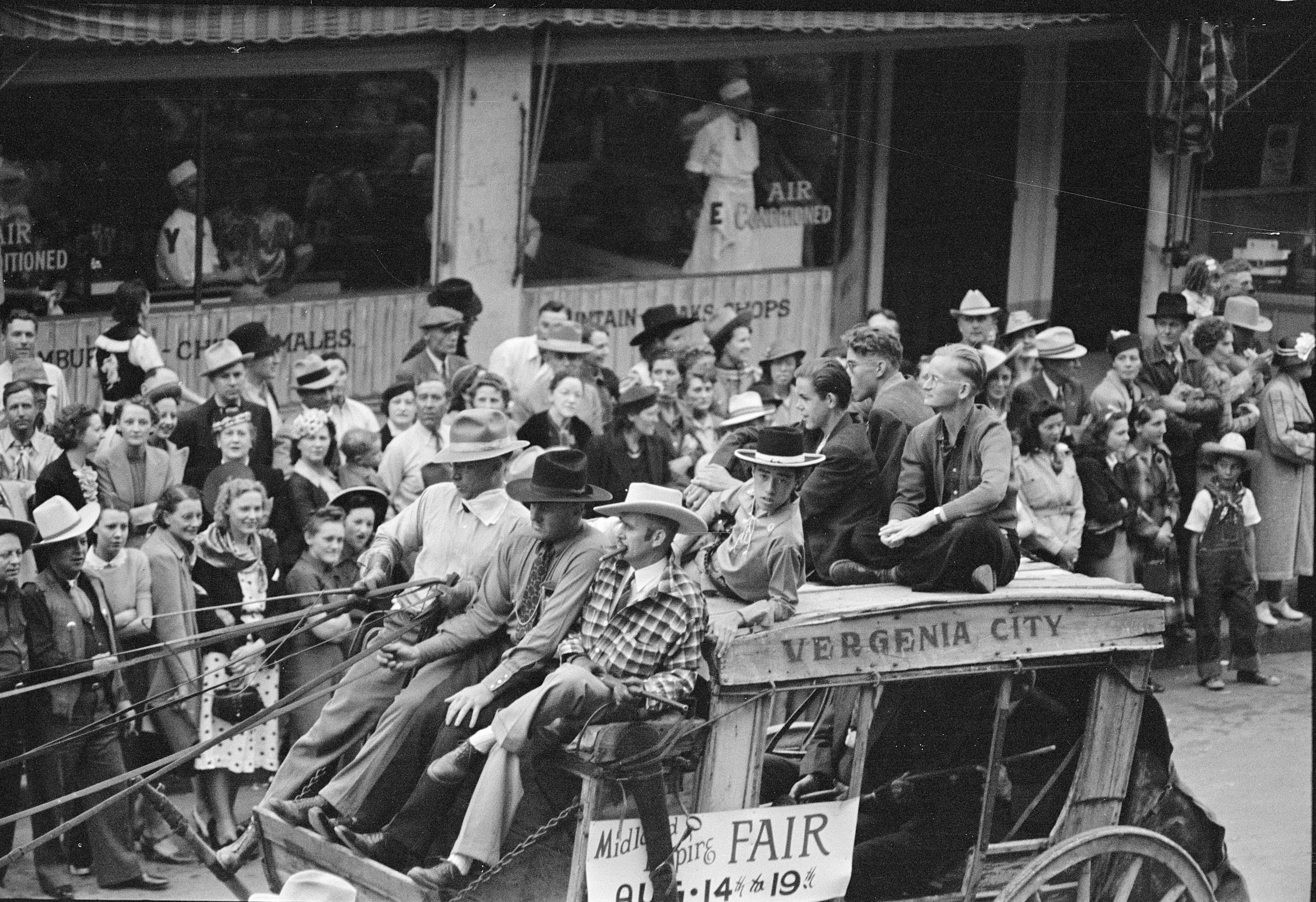
Among the historic images we've located on stage 11911 is this one where the mud wagon was photographed in the 1939 'Go Western' parade in Billings, Montana. Image Courtesy Library of Congress.
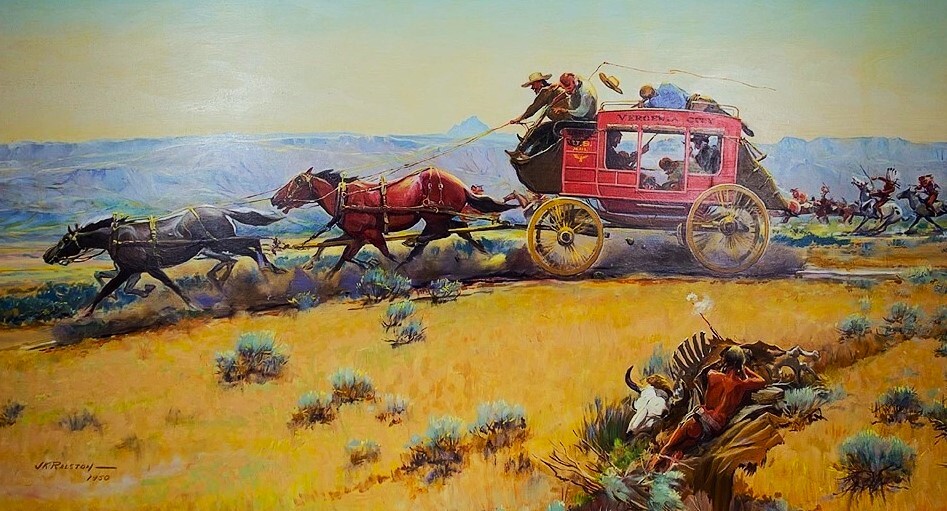
"The Attack," a 1950 painting by J.K. Ralston of Billings, Montana featured a historical look at stage 11911. Ralston was a friend of Montana historians, Don & Stella Foote, who once owned this mud wagon.
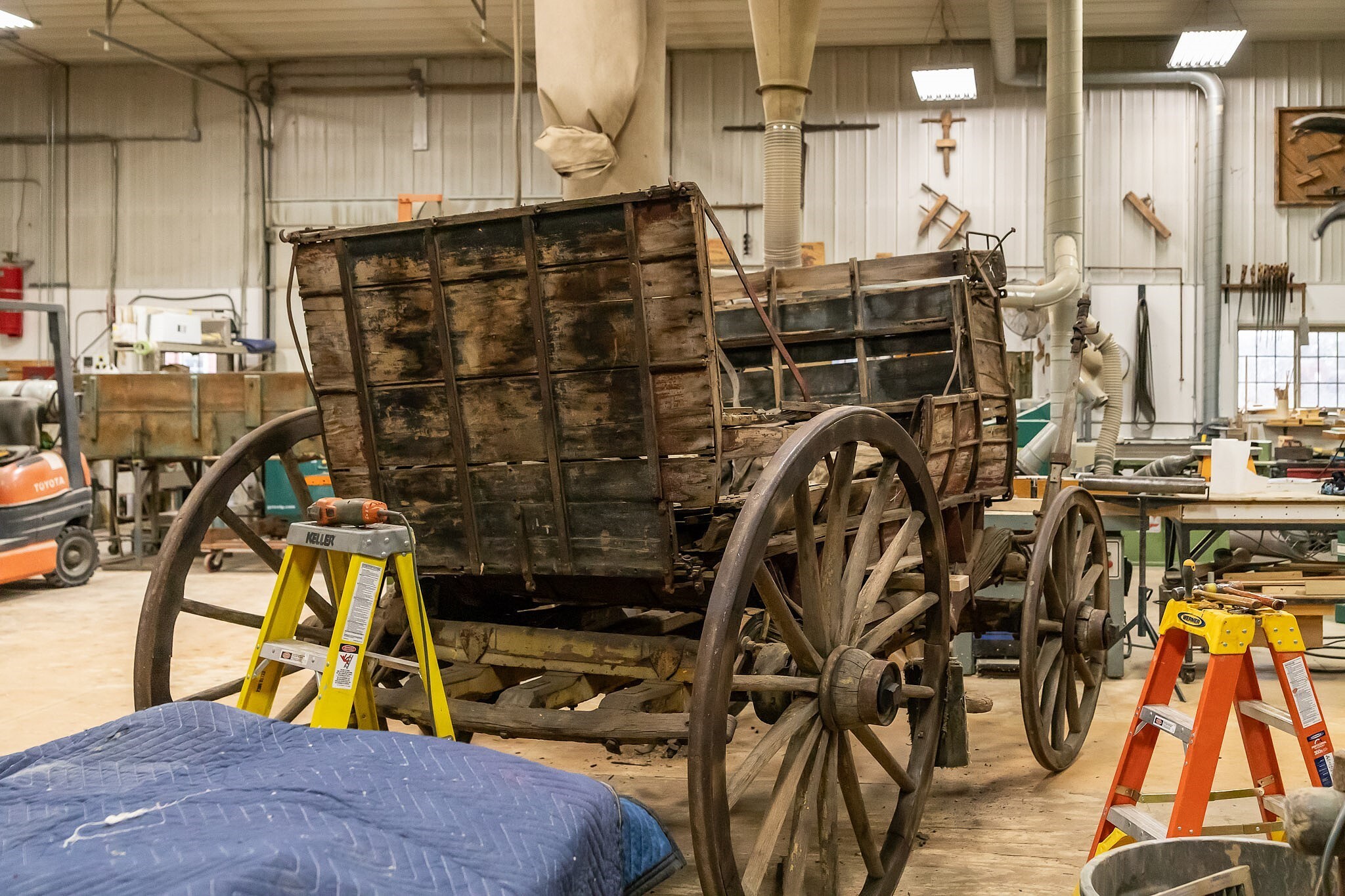
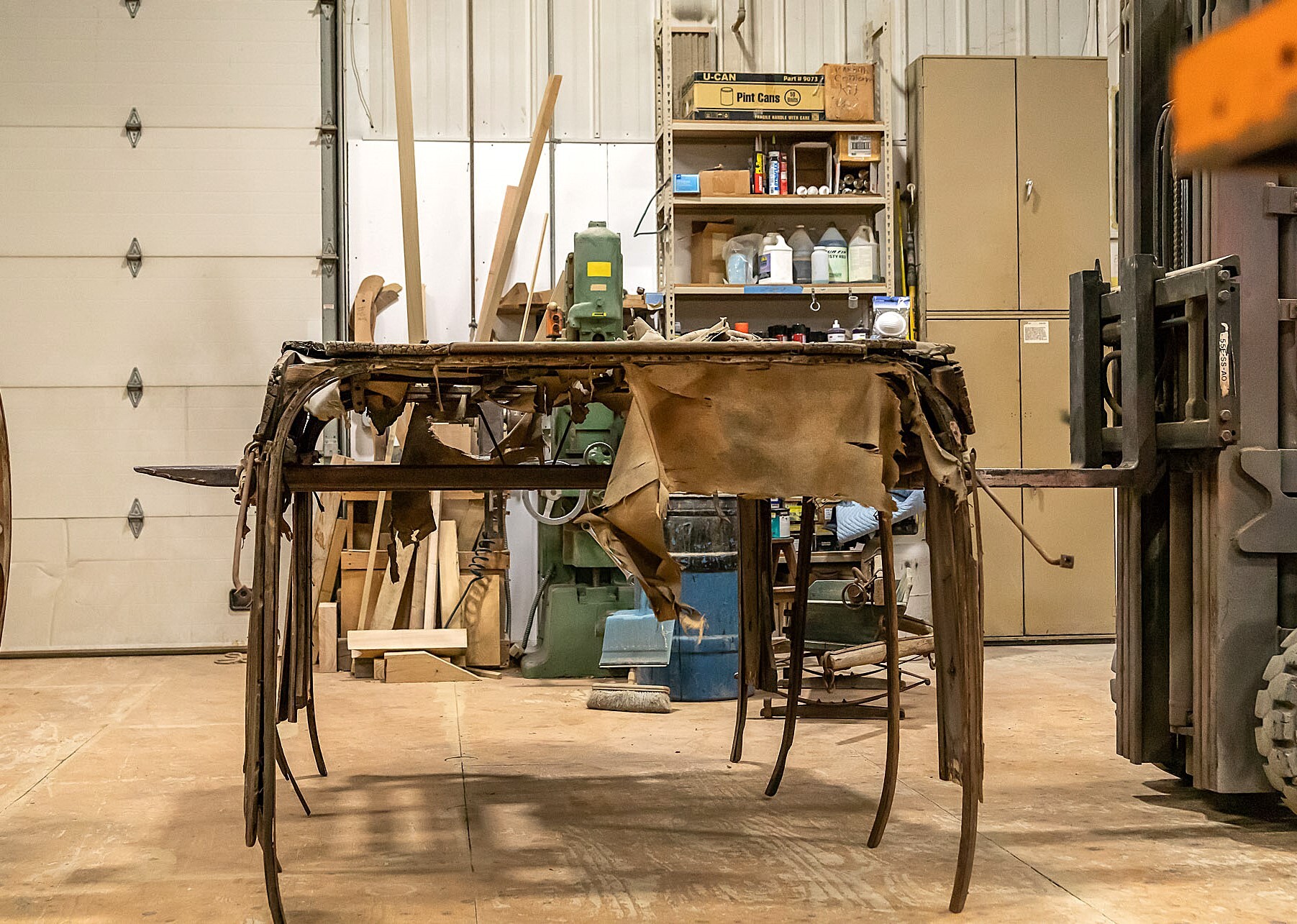
Over one hundred sixty years after it first rolled out of its birthplace in Concord, this stage is no longer running behind six horses. It's now in the experienced hands of a team of western vehicle specialists at Hansen Wheel & Wagon Shop in South Dakota. For roughly two weeks now, they've been painstakingly disassembling, cleaning, and repairing the weary bones of this witness to the West. This isn't a restoration but, rather, a carefully-planned historic conservation and preservation of the rolling work of art. With a heritage of hauling passengers, mail, and express packages that lasted more than a half century, this symbol of the American West has seen its share of hair-raising wrecks, axle-deep mud, steep sidling trails, vertical climbs and descents, and endless demands to keep moving through the unforgiving terrain. In fact, this made-for-motion-machine has enough documented work history that its tenure on the trail will rival most all surviving western stages. The extensive service coupled with incredibly hard use, insect and animal damage, and a general lack of care have constantly hammered its frame. Never restored, we were fortunate to acquire 11911 roughly seven years ago. Through a daily regimen of meticulous study, we've tracked down a tremendous amount of its history - including period photos as well as the person who purchased it from the Foote family in 1978. Every part of this discovery process has helped put more of pieces of the past together, eventually allowing us to begin the conservation work.
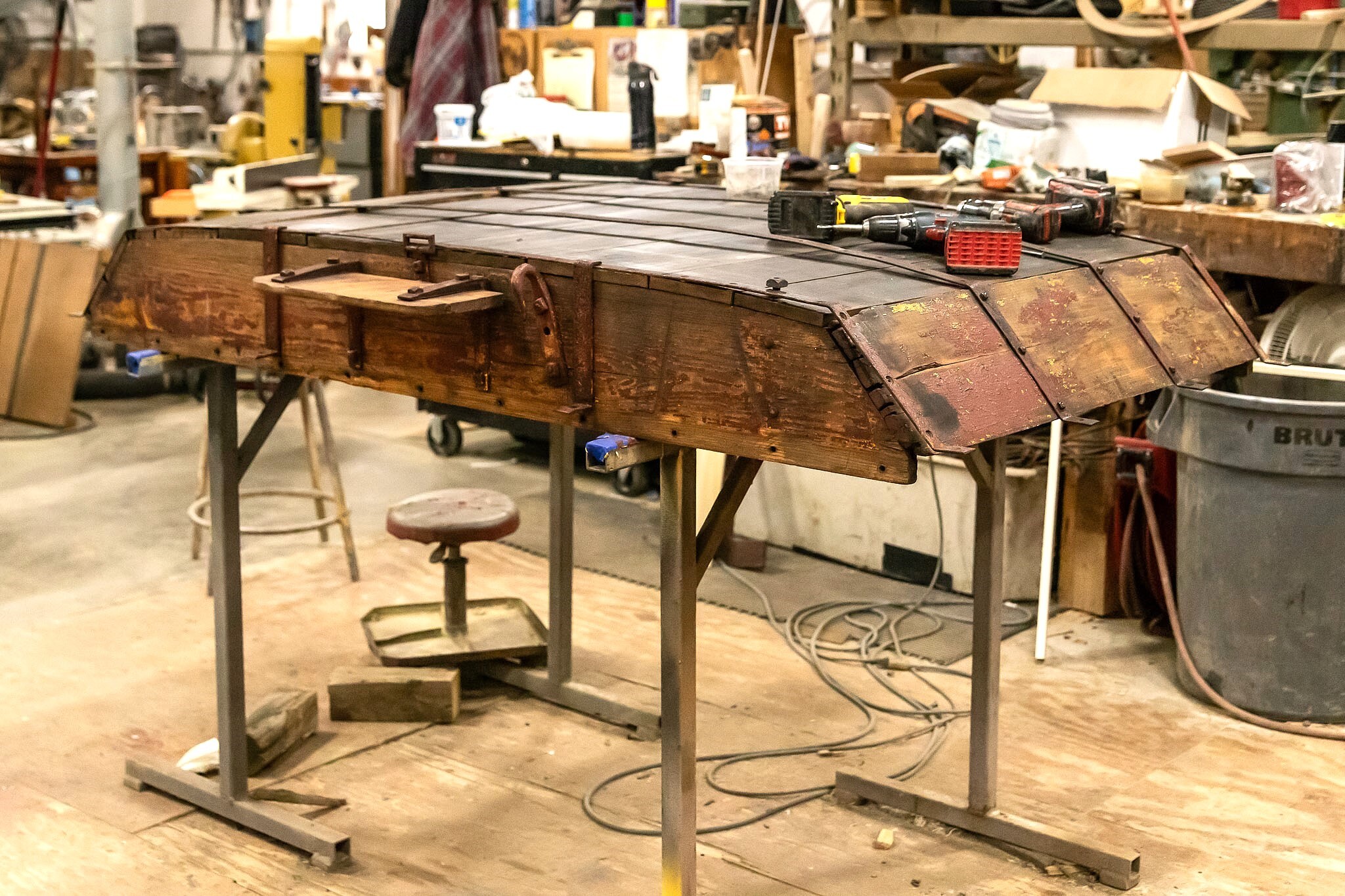
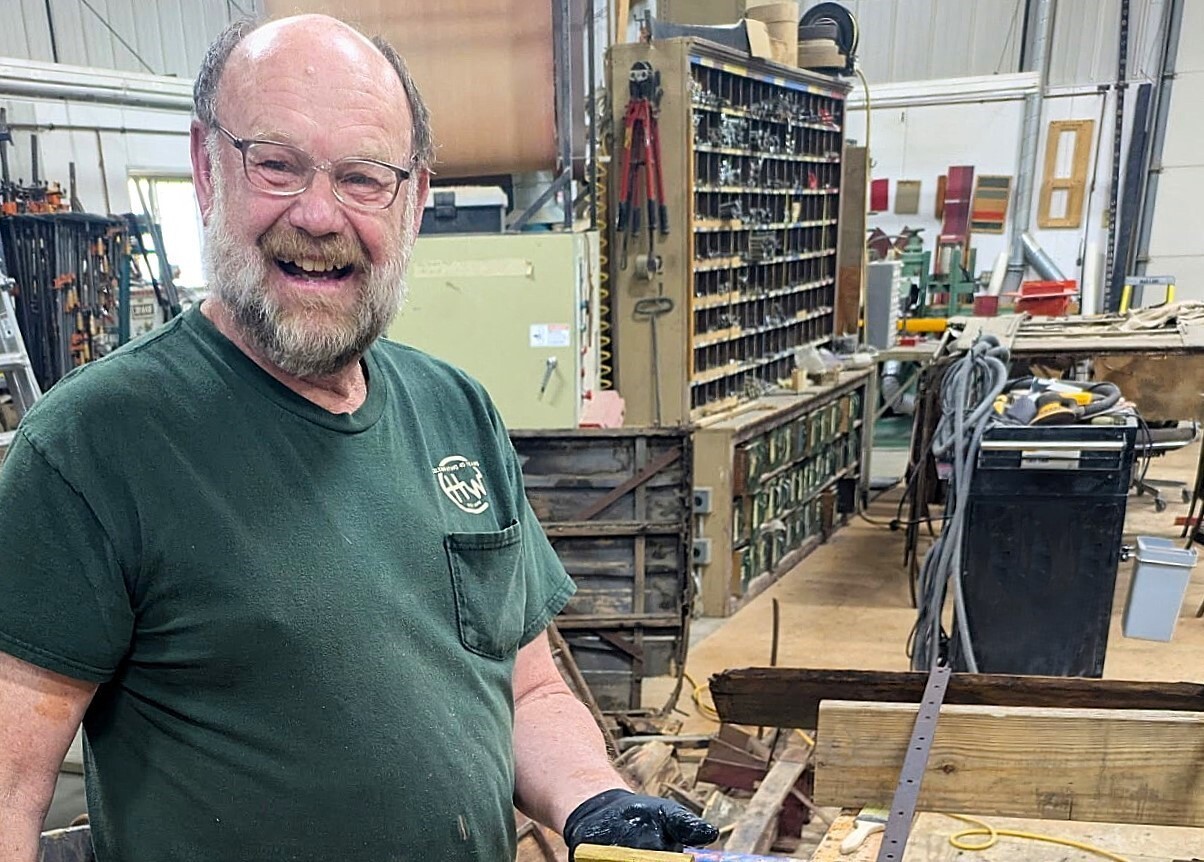
One of the first areas that Maurice Hartmann began shoring up was the footwell of the body. Maurice worked on the very first stage we acquired years ago. At that time, I immediately noticed his amazing talent and personality. Very grateful to have his help on 11911. Images Courtesy of Hansen Wheel & Wagon Shop (HWWS).
From time to time, we'll share updates on the work progress. When finished, the battle scars, layers of patina, and original paint will all remain. The weak places will be shored up, broken parts repaired, and lost pieces returned. Period correct oil lamps made from original Abbot-Downing parts and patterns, an original rear bag boot, leather apron up front, aged thoroughbraces, driver's whip, and even the lead bars and original harness (one is stamped, A.H. Barret Butte, MONT.) will once again accompany the ancient traveler. Each element, as well as the whole, tells of a time that will never happen again.
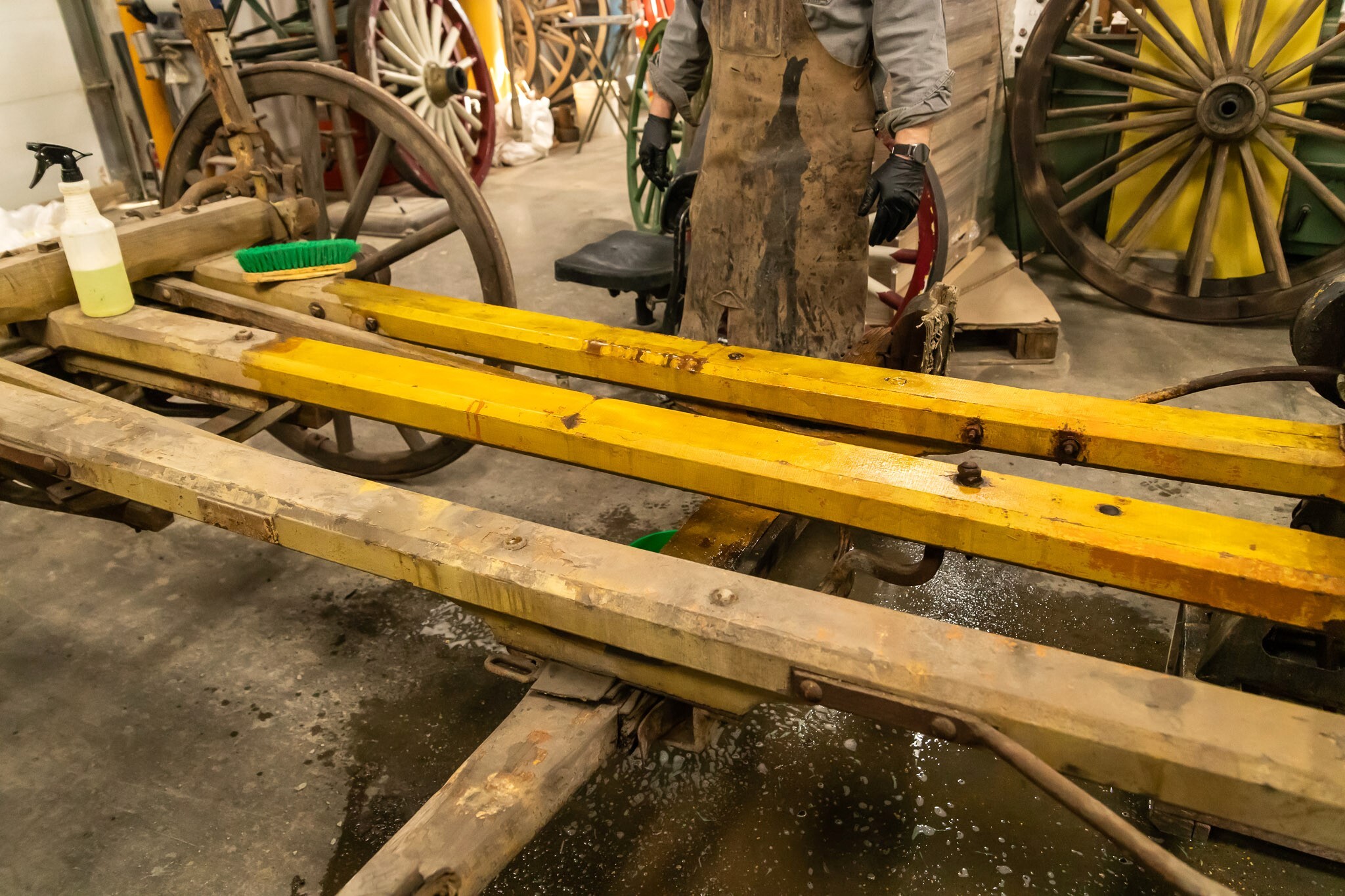
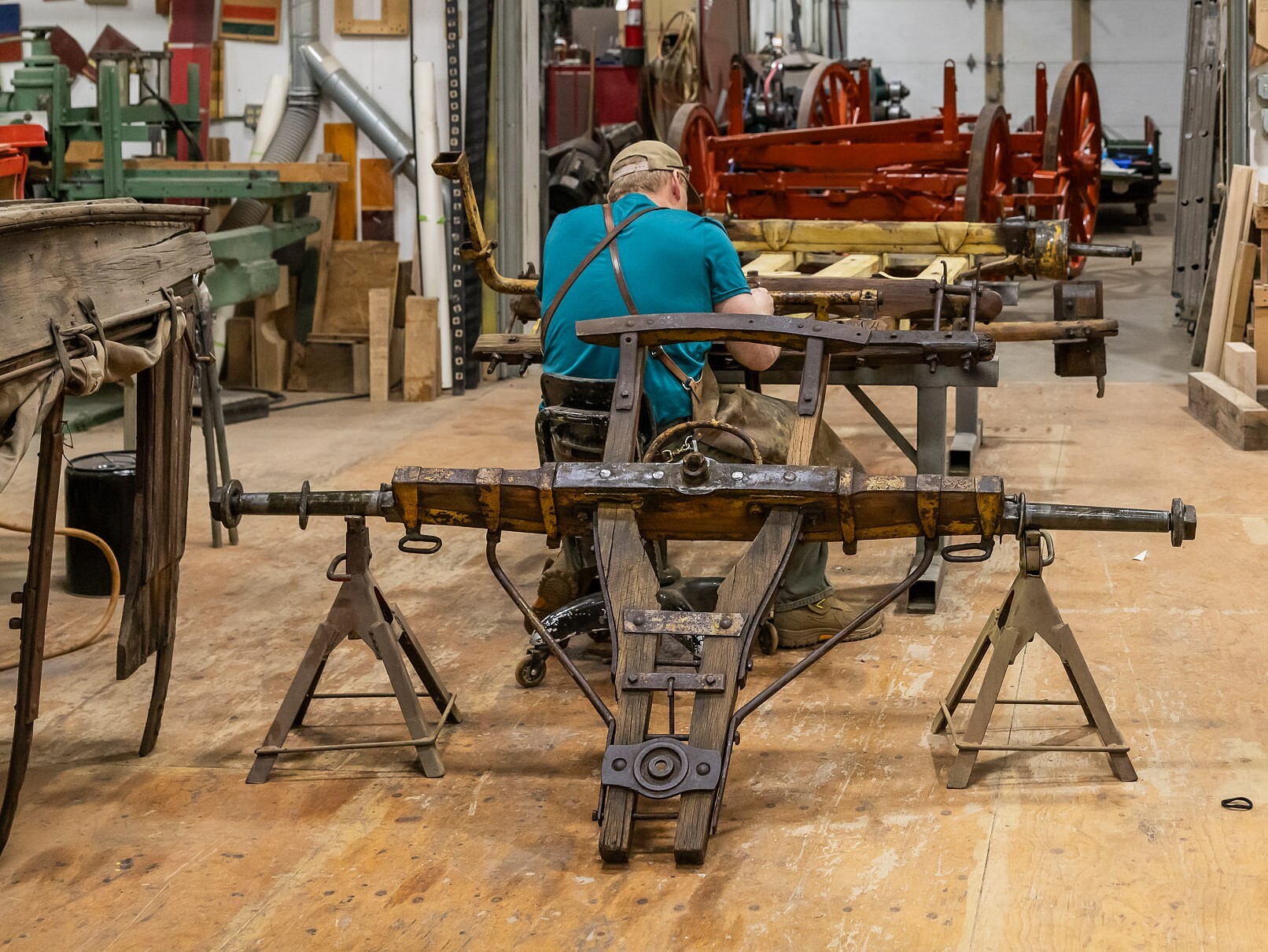
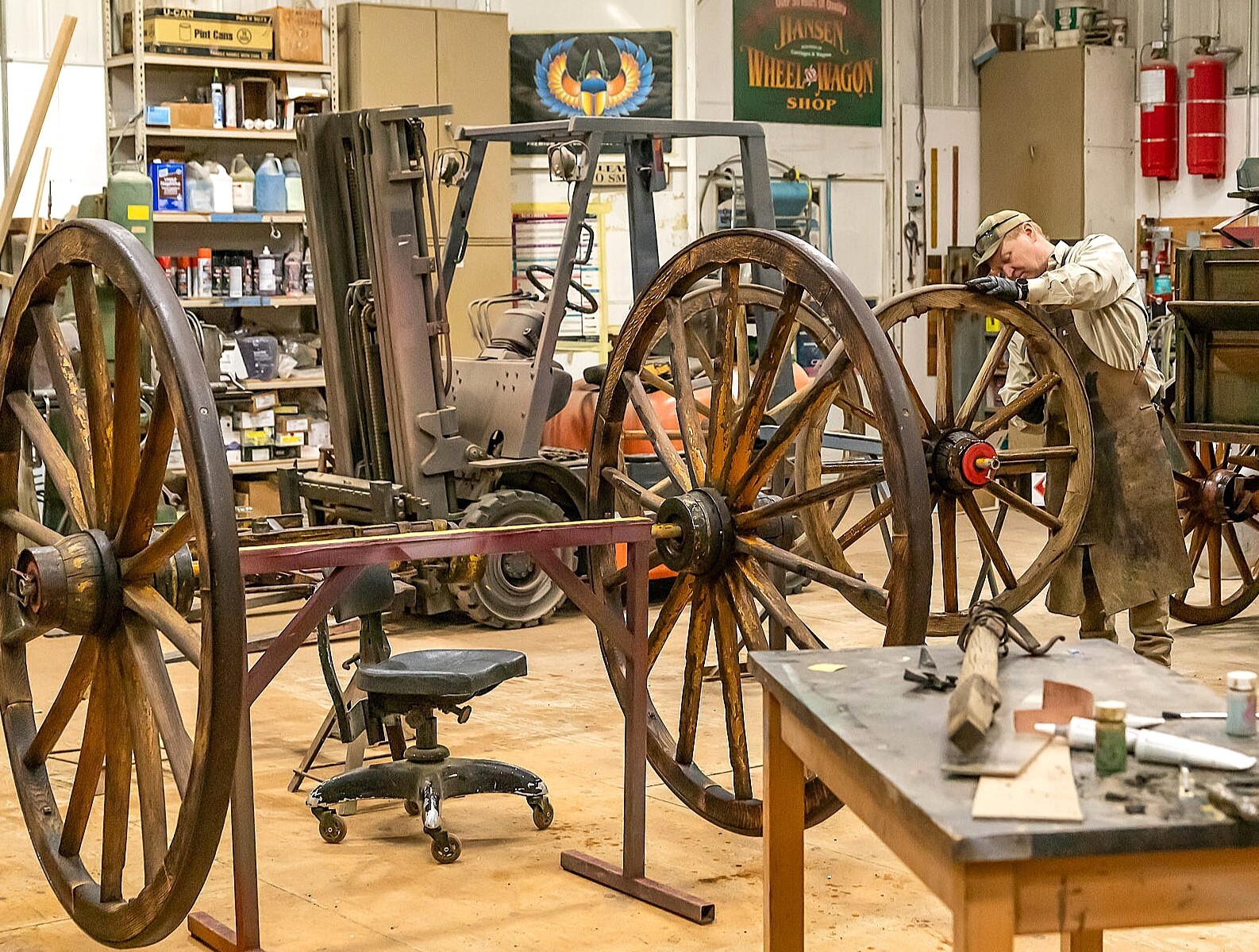
Like all of the Hansen Wheel & Wagon team, Tim Hoffman is an extraordinary craftsman, wheelwright, and person.
We're extremely grateful to the history-minded professionals at Hansen Wheel & Wagon Shop for helping us preserve another incredibly rare part of our past. Their extraordinary knowledge, experience, and craftsmanship is allowing this Civil-War-era stage to once again be reborn; keeping alive the spirit of one who witnessed the opening of the West and is still living to tell about it. All of it, and more, is just part of this Survivor's Story. WTWTW
More updates to come!
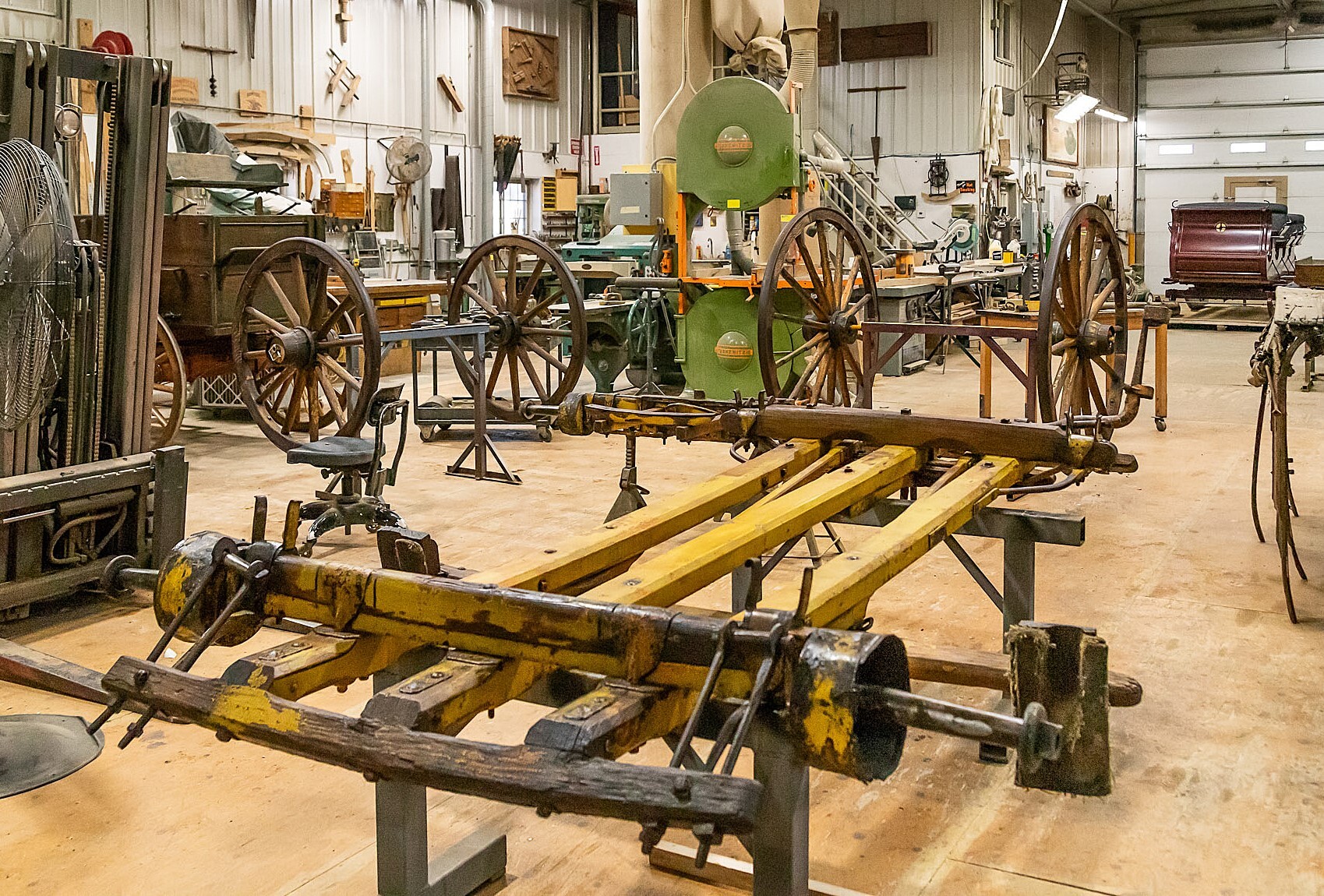
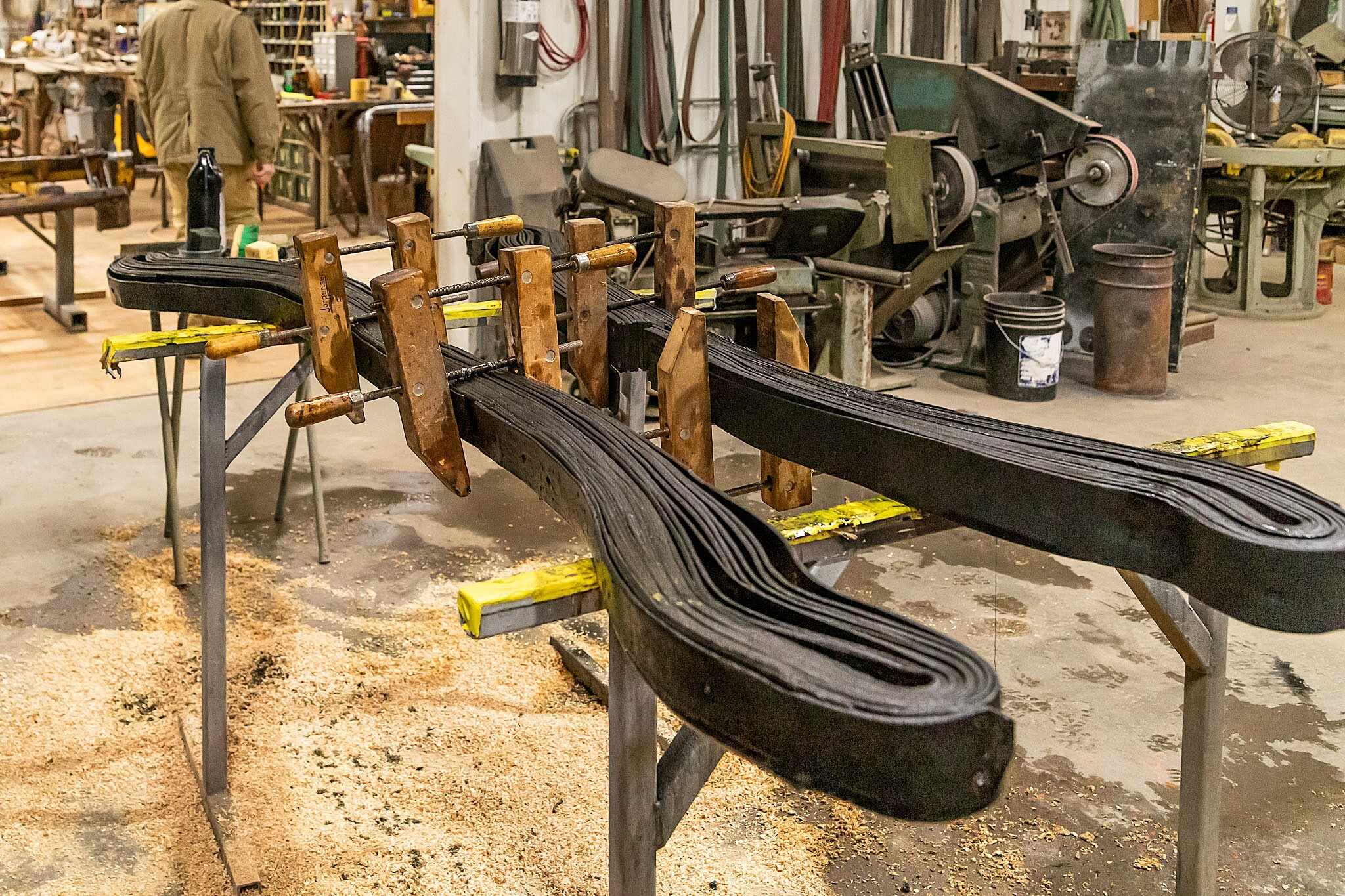
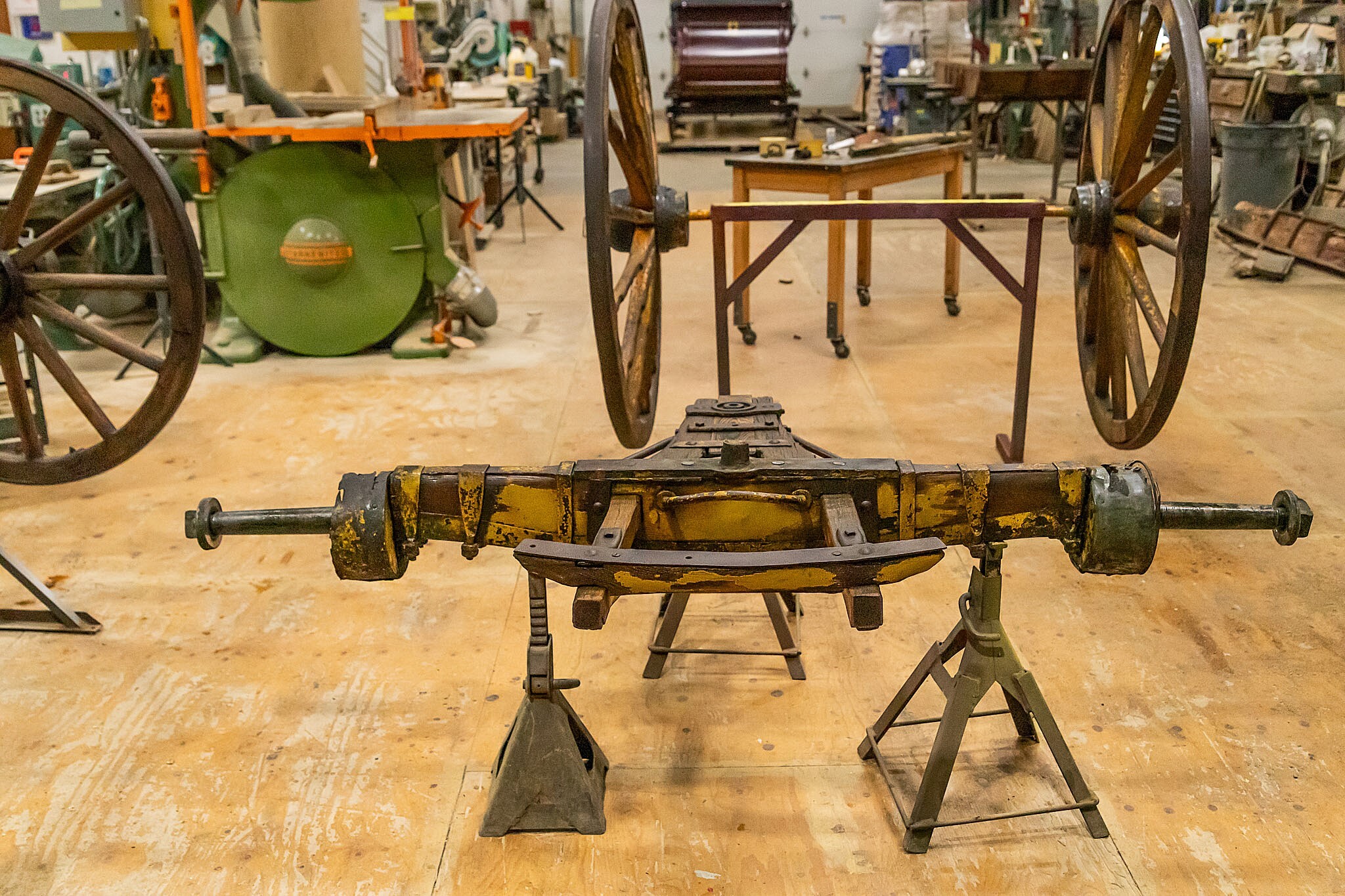
A special shout out to ALL of the team at Hansen Wheel & Wagon Shop. They are amazing to work with and we greatly appreciate their skill, experience, professionalism, and friendship. Over the next few months, with their help, we'll give you more updates as this history-packed western icon is revived once again.
How much do you know that you know about a particular wagon or western vehicle? We ask ourselves that question every day. It's how we've assembled such a vast collection of research material in the Wheels That WonThe West® Archives. Uncovering and documenting that lost heritage is what we do and the rewards of that knowledge make every survivor even more special. Whatever the western transport - from farm and freight to ranch, stage, business, and military vehicles - you won't want to miss a single blog or article on our site. Inside and out, we're covering the legendary wheels of the American West like no other. If you haven't SIGNED UP for NOTIFICATIONS anytime we update the site, it's easy to do. Just click the SIGN-UP LINK in the upper right-hand part of your screen.
Have a great week!
David
Ps 20:7