
As we wrap up this year, I wanted to give a special thank you to the American Chuck Wagon Association for allowing us a small role with the Historical Committee. This group has worked tirelessly for years to better document and preserve the legacy of early chuck wagons. During their search for additional primary source documentation on these vehicles, the committee reviewed a large number of period images in our collection.
Ronnie Sexton and his wife Maribeth led many of the efforts, including an eighteen-day research tour across ten states. Included in those stops were opportunities to review period photos and documentation at thirty-five different museums as well as numerous state archives, collections, and research facilities in the states of Missouri, Kansas, Wyoming, Nebraska, South Dakota, here at our collection in Arkansas, and other locations. The time and costs involved have been significant but the details acquired helped the committee go beyond personal suppositions to develop a foundation grounded in supportable facts from the cattle trail drive era.
According to Sexton, "The Board of Directors tasked the Historical Committee to study and develop a wagon judging sheet based on what the primary source research showed on the majority of wagons going up the trails out of Texas during the trail drive period from June of 1866 through the fall of 1897. We took the old ACWA Judging Sheet and separated everything into a single line item with each item having a score. Previously, there might be five to seven items in a single category. That combination of different elements made it hard to adjust points if one or two items were missing. By each item having a score, there's a more balanced and fair approach to each wagon being judged. Also, each item on the score sheet was found during the research and is thereby part of the overall score."
Based on my own experiences, anytime something is being judged, some folks will be happy and others not so much. Winning, at anything, can be an extremely competitive experience. Chuck wagons, in particular, are tough subjects because they were generally a custom-designed tool. Nonetheless, there were many similarities and those consistencies have helped the ACWA provide a base from which to guide judges in competitive events. Or, as it's been shared with me, "The tips and suggestions are there to assist judges to better understand the difference between judging a wagon and just doing inventory."
I personally experienced the behind-the-scenes focus on wagon judging during a clinic at Fort Smith in November of 2024. I've been engaged in intensive study of wagons and western vehicles for over three decades and can confidently say the clinic was very informative and helpful.
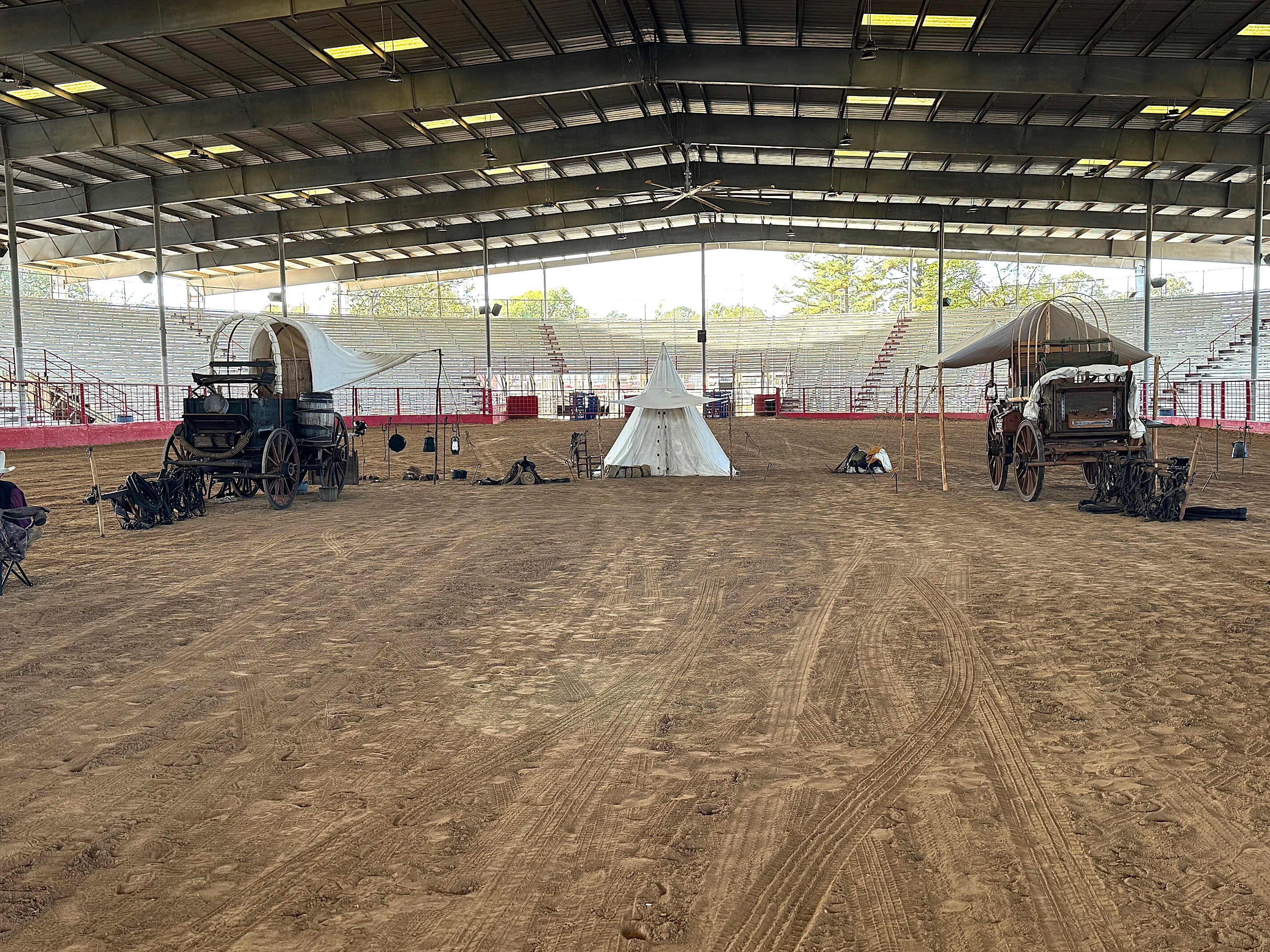
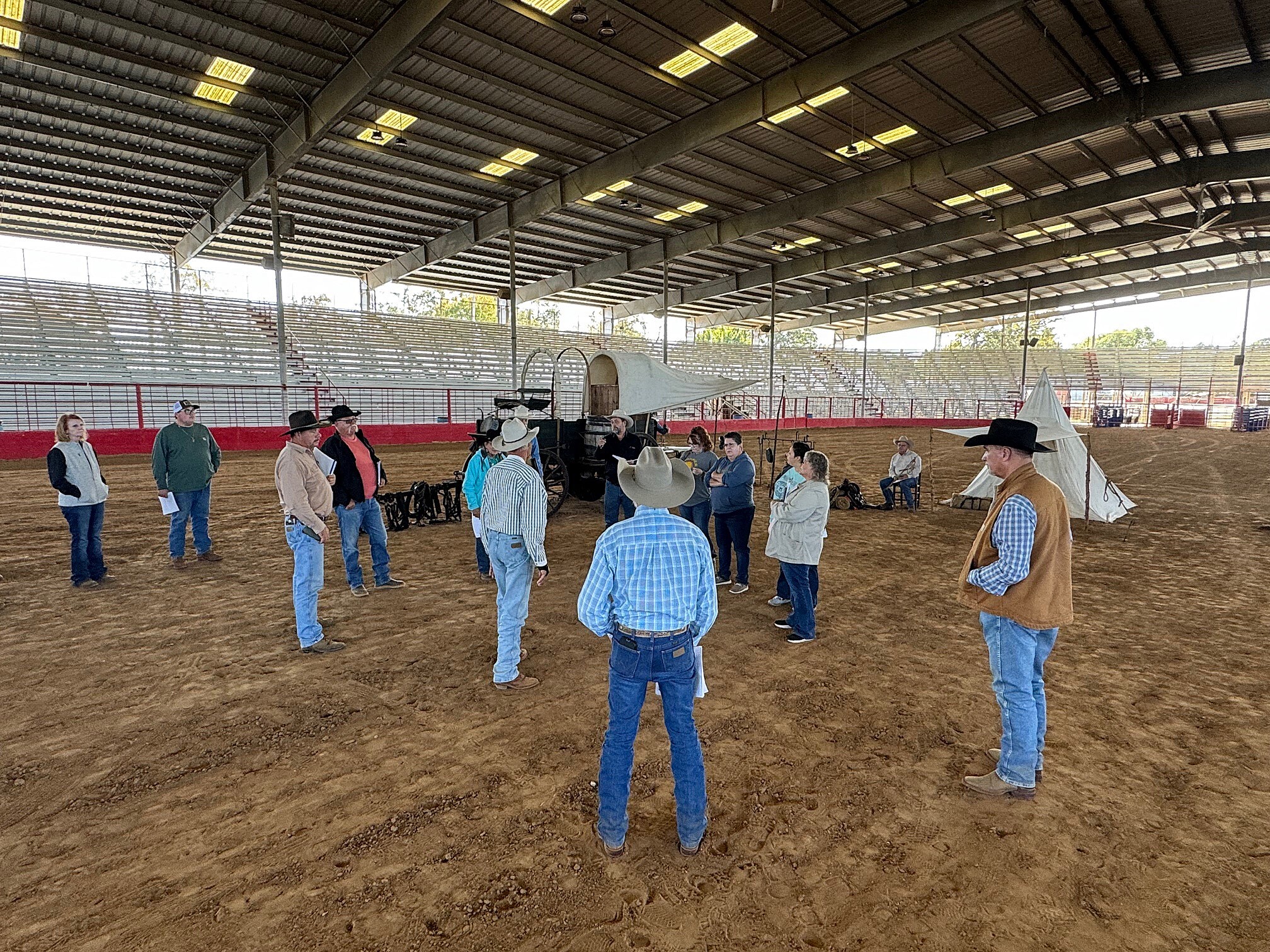
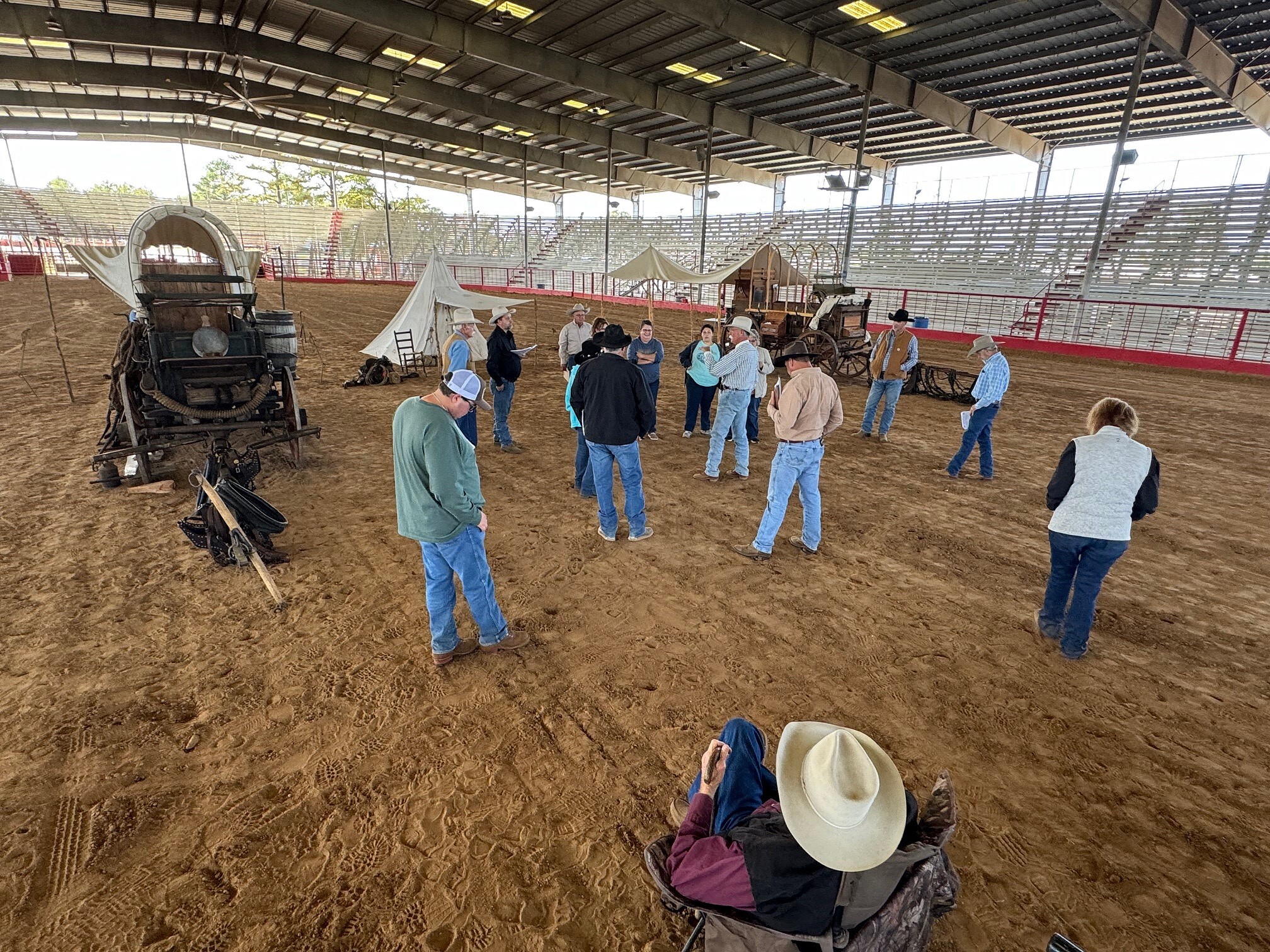
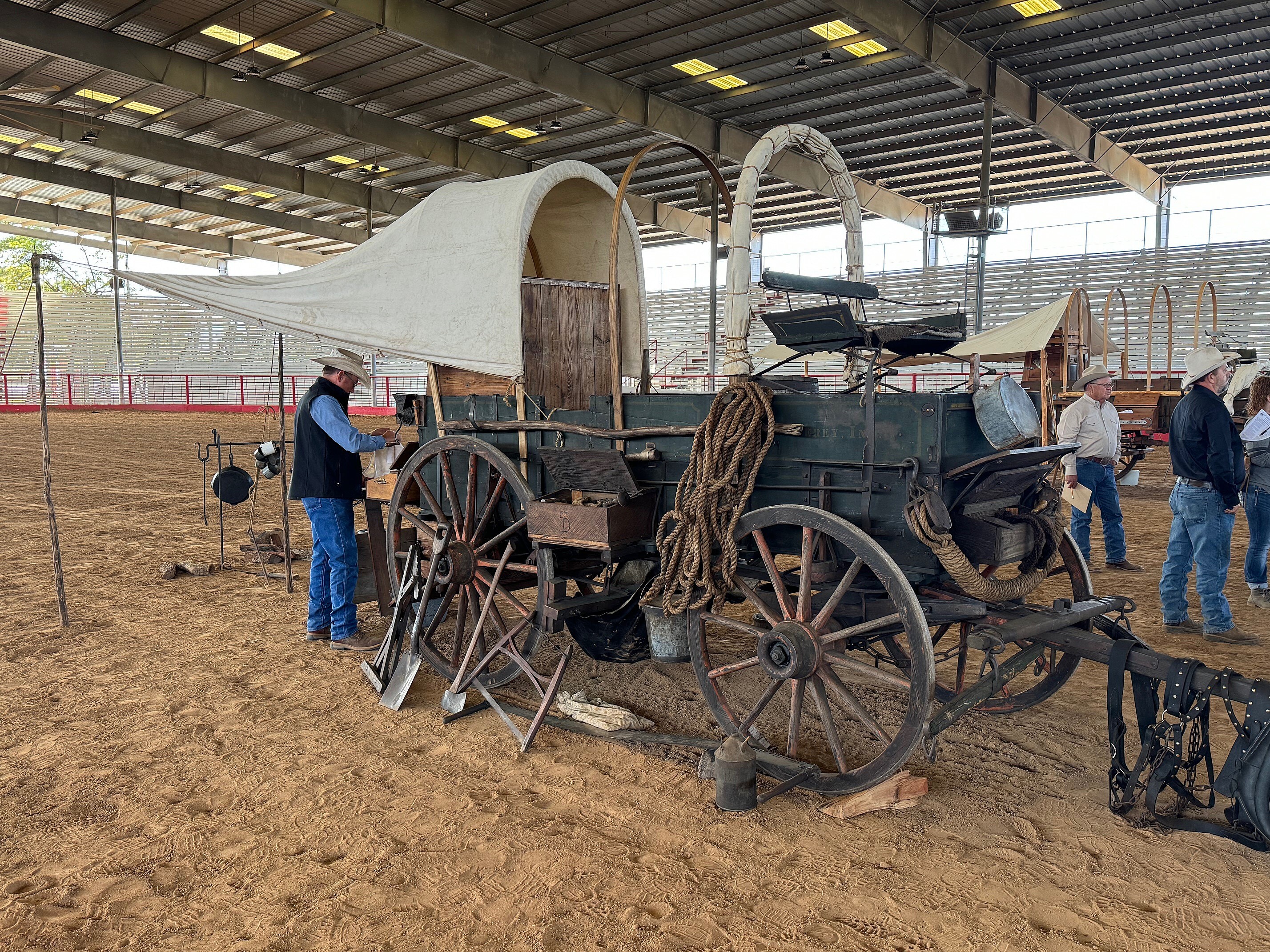
The efforts of the ACWA to better define period wagon designs, features, campsites, and other elements led to the recommendation that each person involved in the research receive the 2025 Western Heritage Award. Those recipients include Brian Frankum, Doug Hansen, Darryl Jacobs, Jim Patrick, Glenn Moreland, Jack Ramey, Russ Richins, Bart Saucier, Ronnie Sexton, Lynn Shackelford, and myself.
Additional presentations made by the ACWA each year include the Pioneer Award, Rookie of the Year Award, Hoodlum Award, Young Coosie Award, Event Award, Chuck Wagon of the Year Award, and other special recognitions. Kudos to the entire organization for their continuing efforts to both grow the ACWA and preserve the proven history of the American chuck wagon.
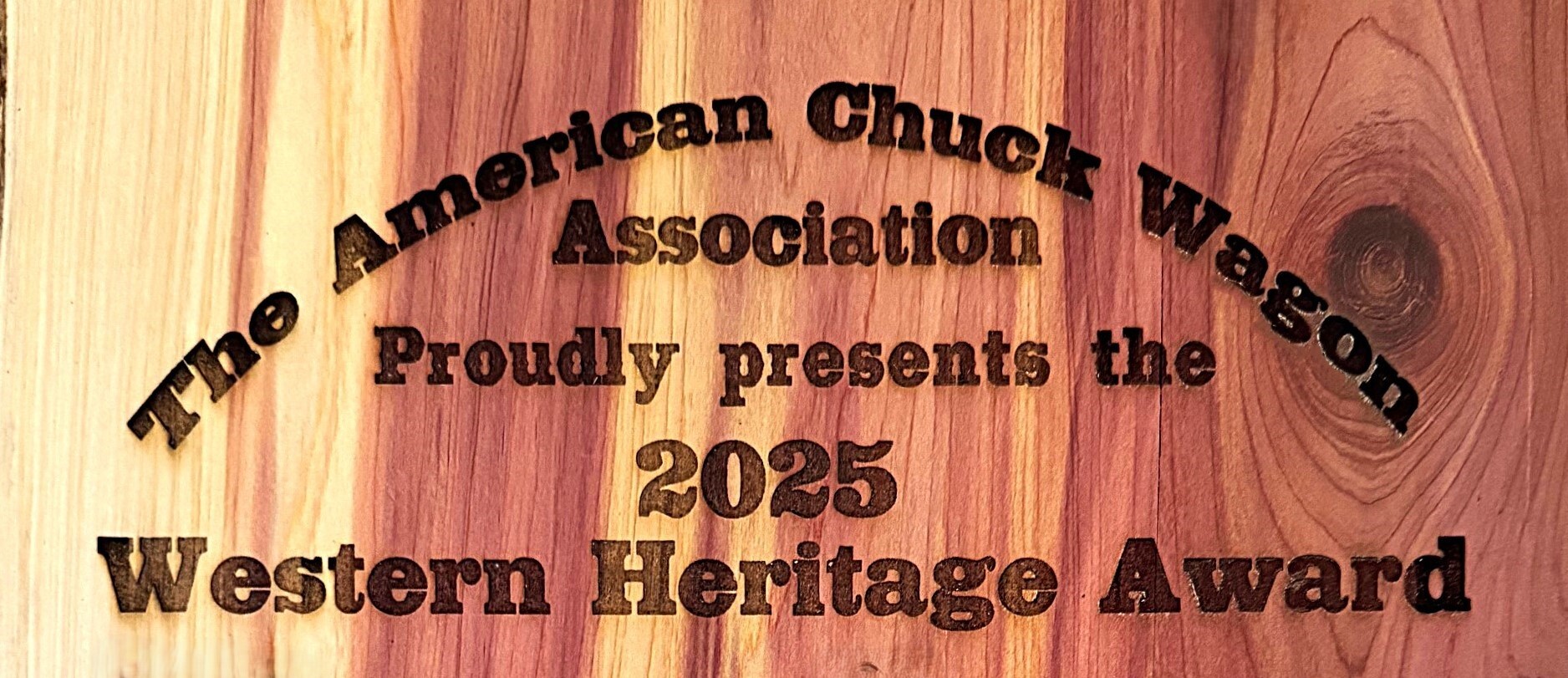
With that research as a bit of backdrop, I've had a few folks asking if we might consider conducting a wagon seminar surrounded by our collection. Over the decades, we've done a number of presentations but it's been a while since we've shared a series of extensive PowerPoints along with individual walk-throughs. Other than private tours, we've never had an open house of sorts with the 'Wheels' collection.
In spite of what many perceive to be a simple design; these wood-wheeled transports are full of stories and insights that go far beyond the surface. The most common questions we receive tend to focus on how to determine a manufacturing timeframe, what separates one maker from another, how to recognize patented features, non-original parts, and other distinctions. I've shared before that every created thing has a beginning and knowing when a particular design started or when a brand started doing something is valuable information. Learning about every part, as well as the whole, can lend power to purchase decisions and greater appreciation for truly rare elements.
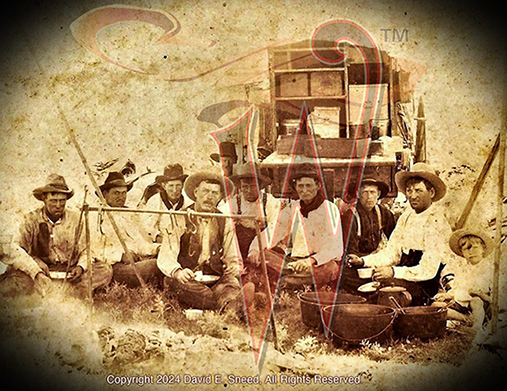
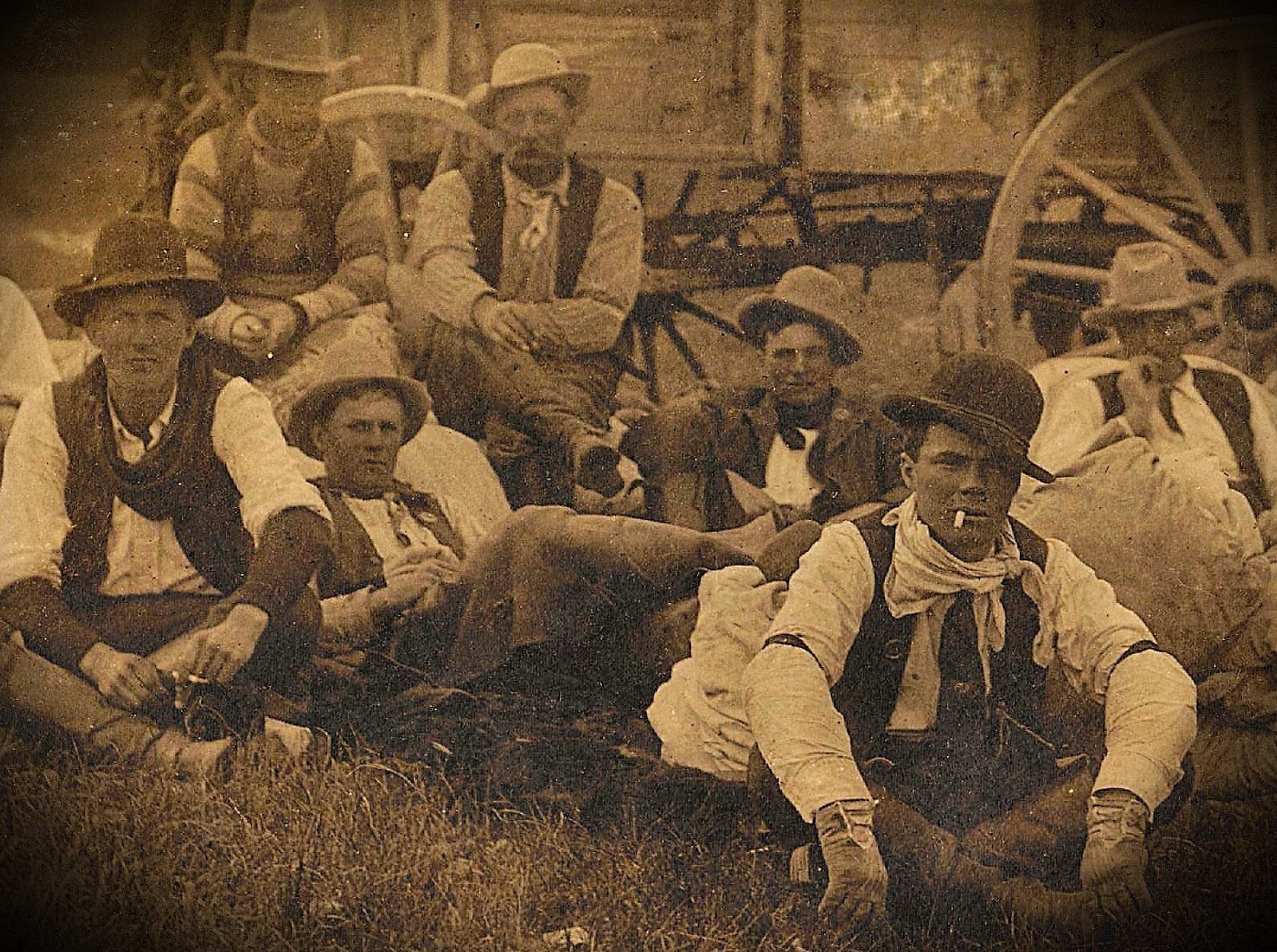
Over the past three decades, we've amassed a vast collection of early western vehicle images, including countless chuck wagons. Image Courtesty of Wheels That Won The West® Archives. All Rights Reserved.
While not everything can be known about many survivors, there is often much to be gained through a close inspection of a set of wheels. For those wanting to get to know their own wagon better - from features and brand to originality and dates, we're also looking at one-on-one reviews. Let me know your thoughts. We always enjoy hearing from you.
With that said, this will close out another full year of blog posts. Wow! Time truly does travel fast. Wishing you, your family, and friends a great and safe week... and HAPPY NEW YEAR!!