We've been on the road this week, going over the last bits of our stagecoach conservation with the Hansen Wheel and Wagon Shop team in South Dakota. It's been a whirlwind trip to their place but it's also been rewarding. Anyone that knows me understands that I'm very particular when it comes to antiquity and authenticity. Doug's crew not only recognizes those standards but embraces them, helping ensure each of our vehicles maintains its structural integrity as well as its history.
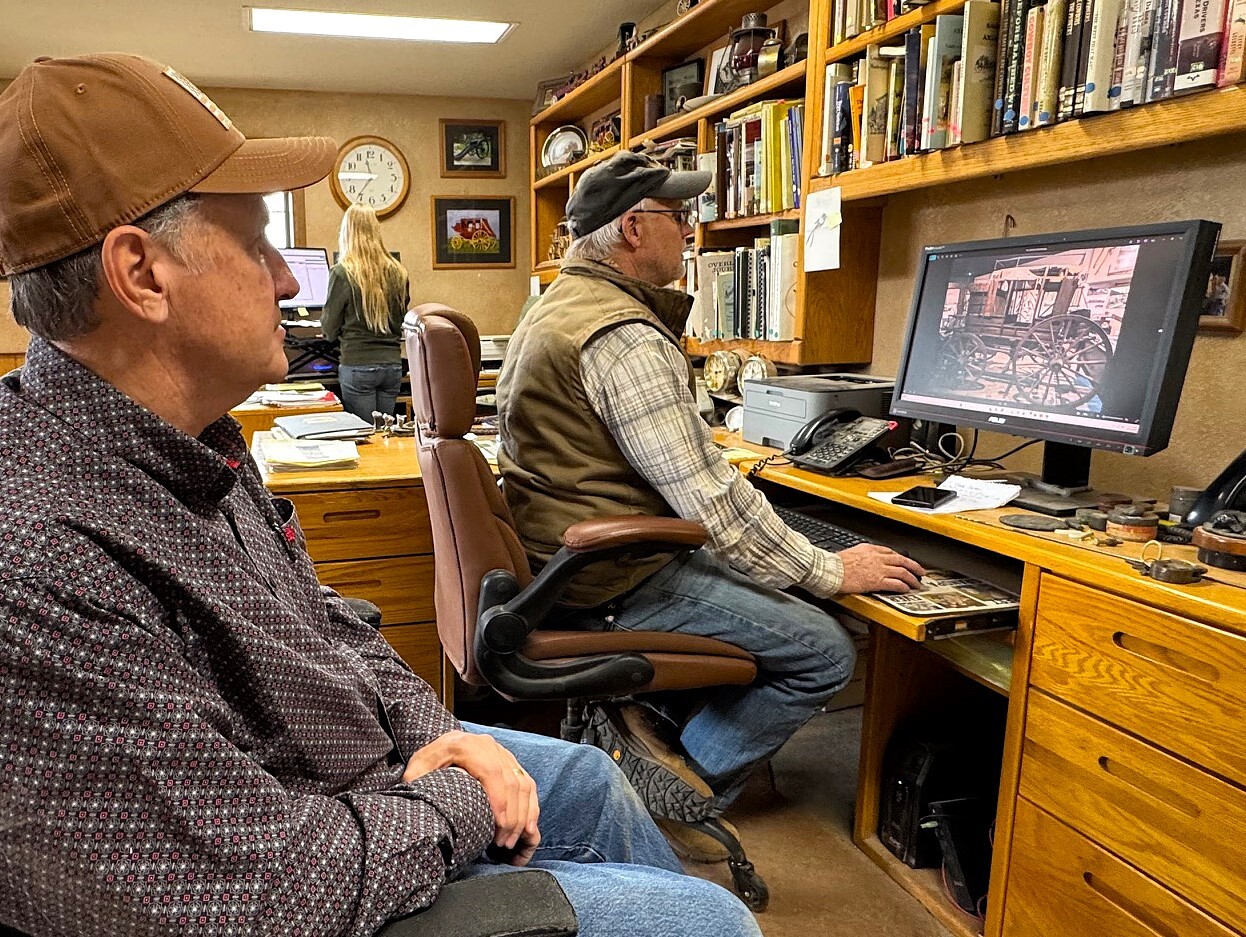
Significant amounts of historical images and information were reviewed prior to and during the conservation process on this stage.
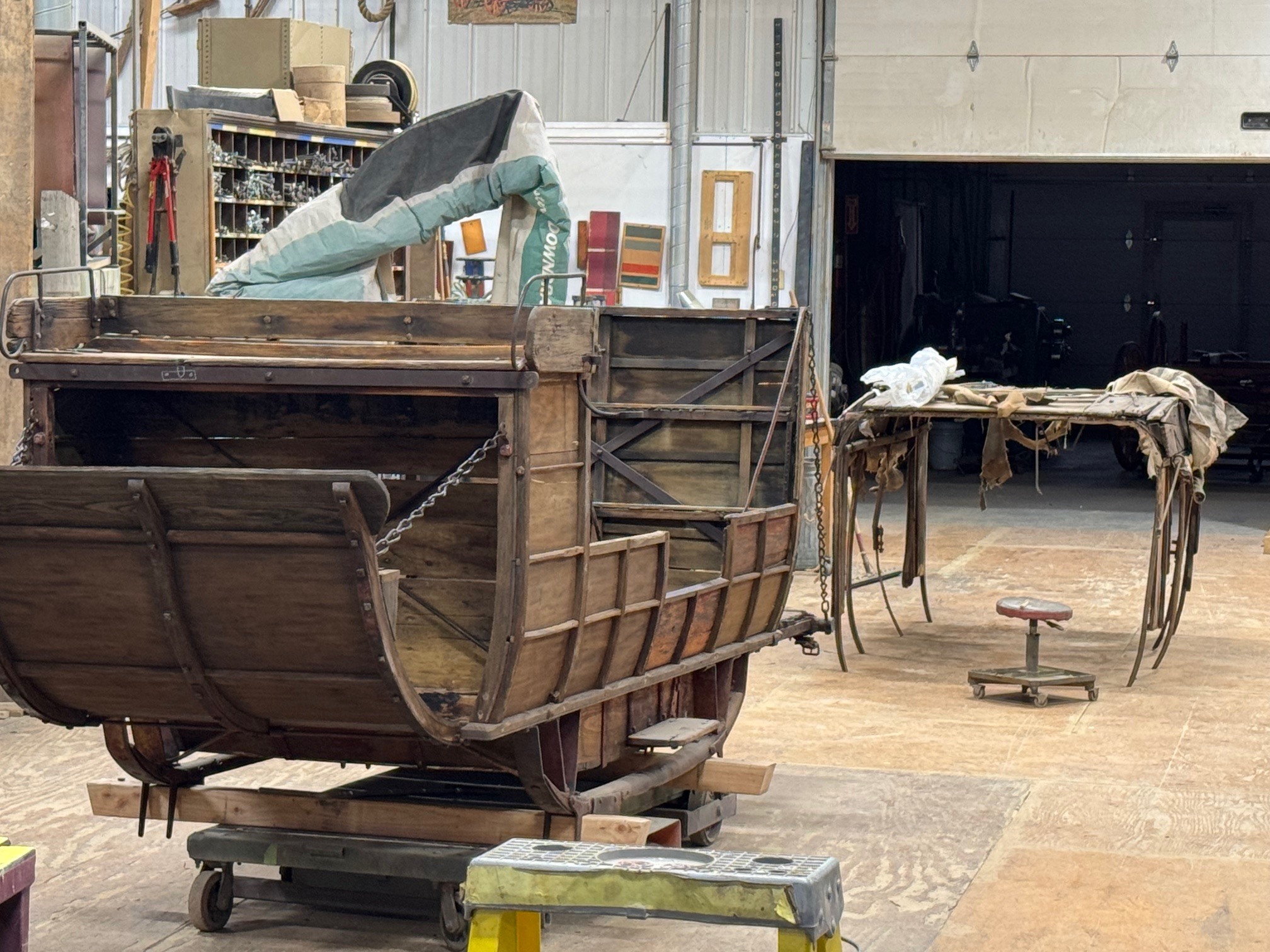
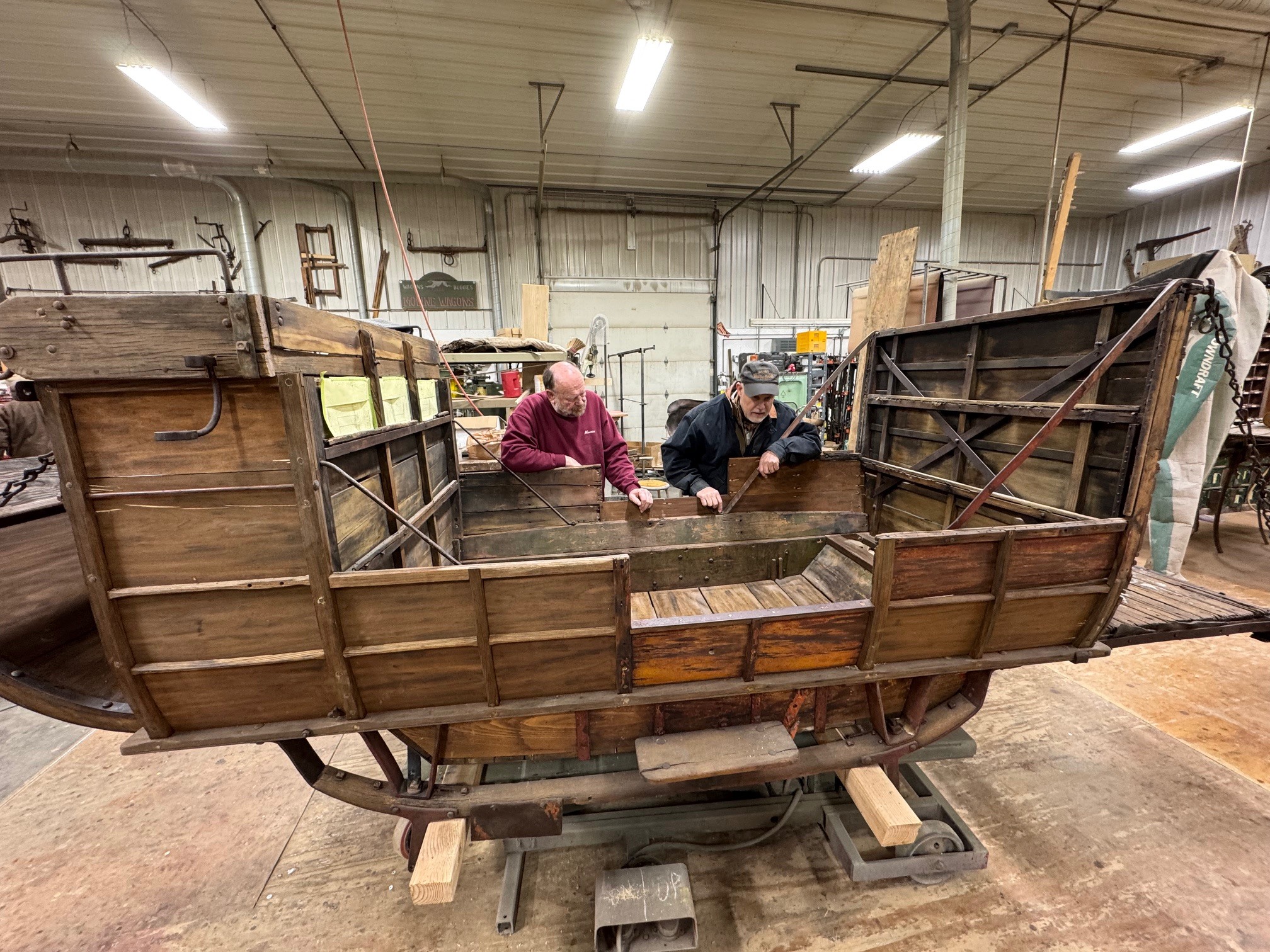
A look at the stage body in work and the top still to be addressed.
As a bit of a review, roughly five months ago, we delivered stage #11911 to the Hansen team for repairs and conservation work. The old warrior was visibly tired, fragile, sagging, and stumbling under the weight of life. Who could blame this set of wheels for being disheveled and unsteady? This J.Stephens Abbot (Abbot-Downing) design is over one hundred sixty years in age. It worked in, around, and over the mountains of Montana and Idaho for more than a half century. Repeated wrecks, a litany of on-the-go patchwork, and varied attacks decorate its journey like badges of honor in a timeline of torture. Gold, mail, express, and passengers all had to be delivered, no matter the climate, trail conditions, physical weaknesses, or threat of violence. There were no sick days, just a constant urging to persist and prevail. More than fifty years of daily staging demands had left it in a weary and worn state. Added to that was another century of isolation and near abandonment.
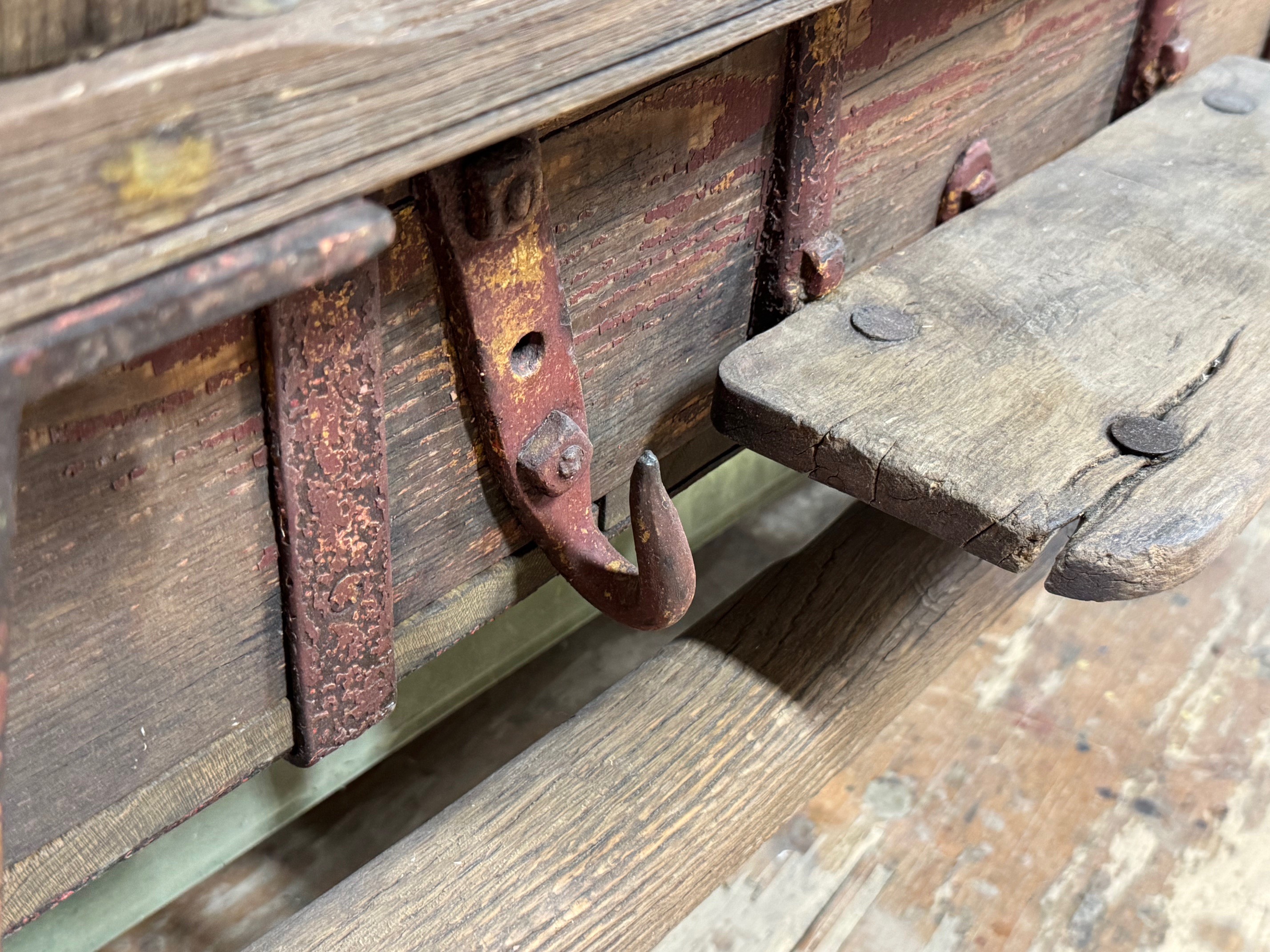
After the stage was officially retired from western routes around 1915, this Overland still found itself pressed into public appearances. It was hitched up for a few more forced marches and parades in the 1930s and 40s.Those times, though, marked the last of its days behind both four and six horses. Since 1950, this icon has basically sat idle. For a decade, it was a motionless part of the Wonderland Museum in Billings, Montana. After that attraction closed, it stood silent, hidden in a warehouse for the better part of two decades. Those years were followed by almost forty more, covered up in yards and barns. None of those times brought repairs or restoration. All but forgotten, it drifted into a tattered, faded, and withering witness to the birth and growth of the American West.
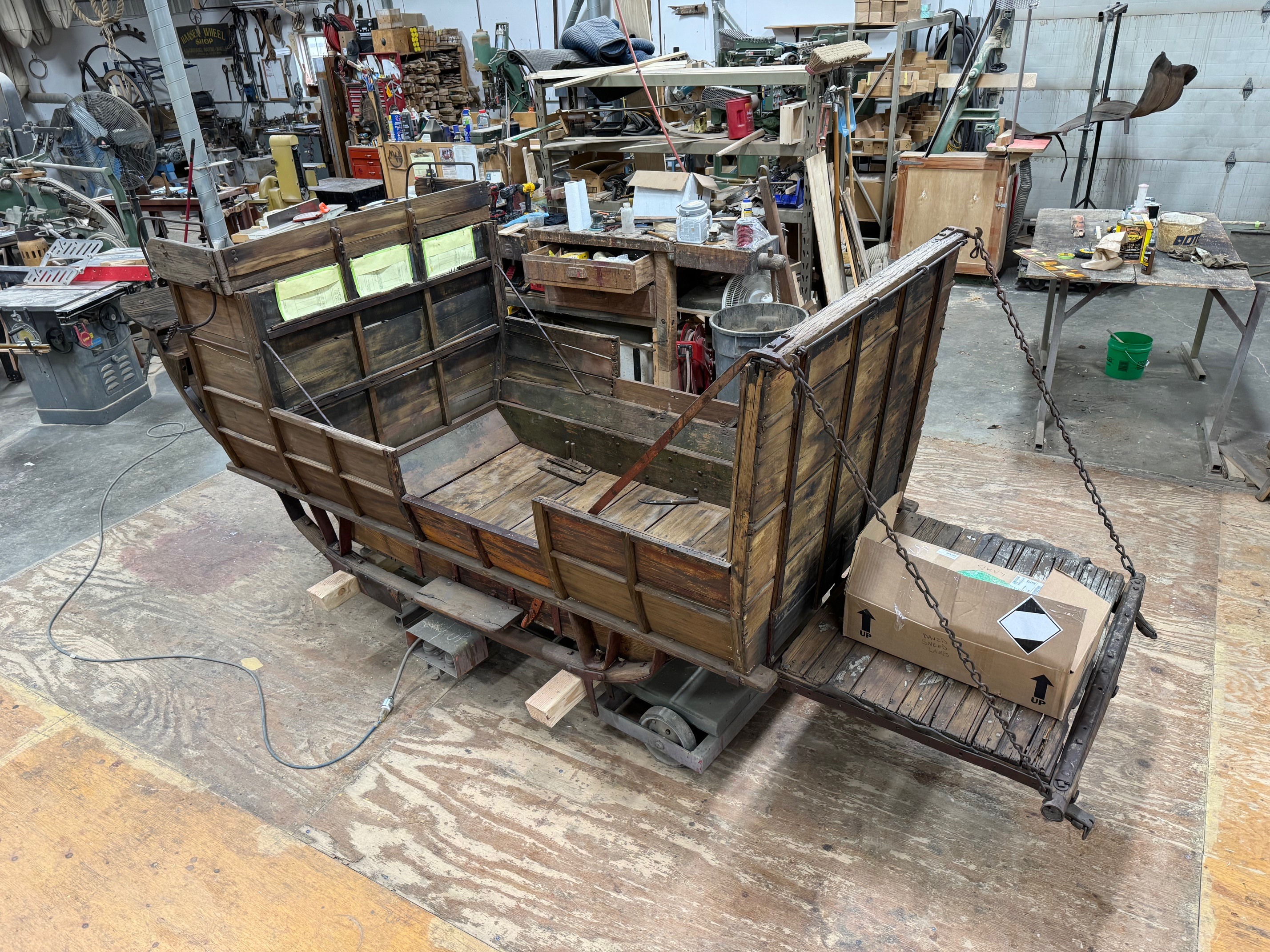
Note the paper covering portions of the front wall of the stage body. It's placed there to protect the original worker signatures.
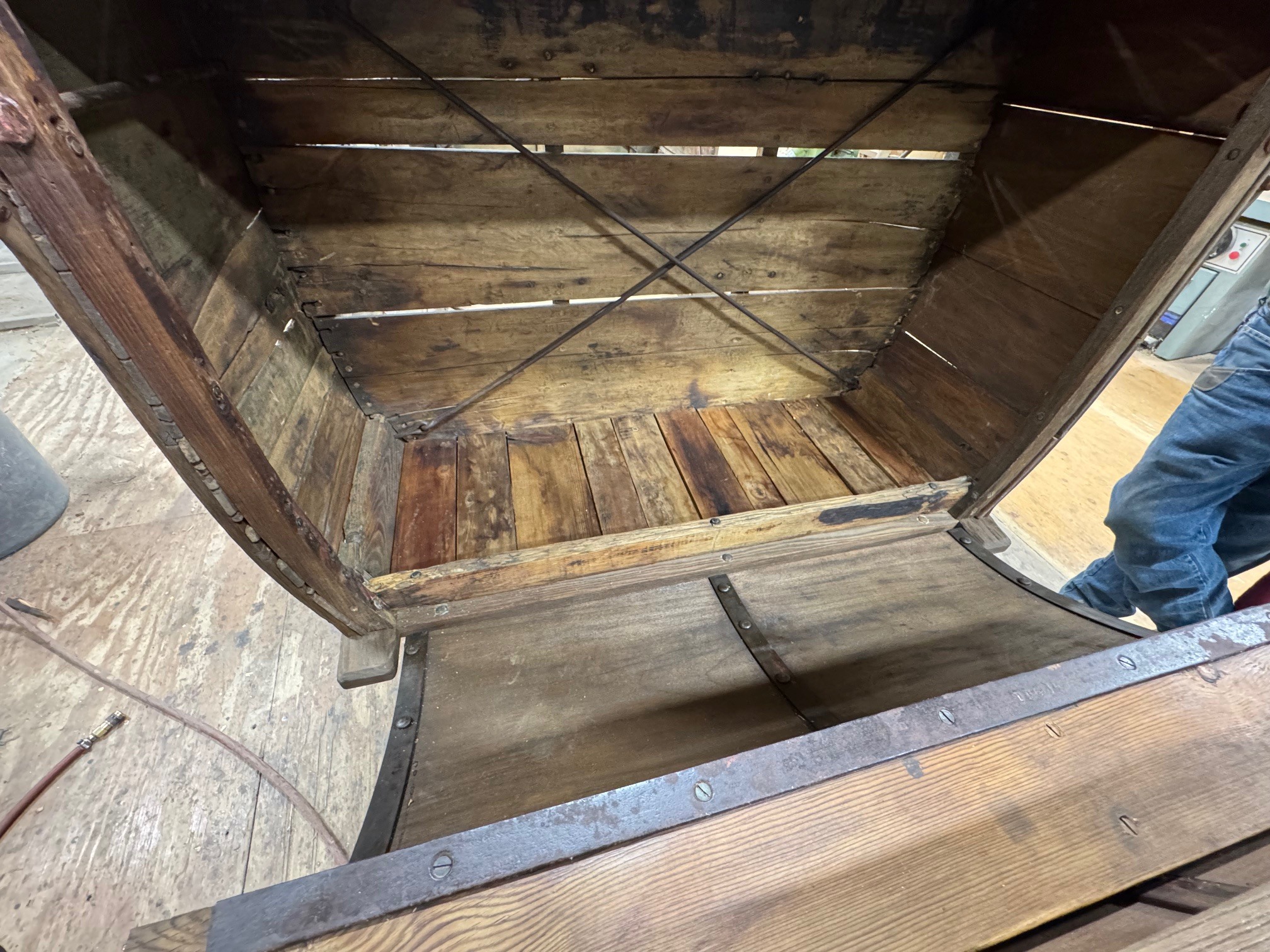
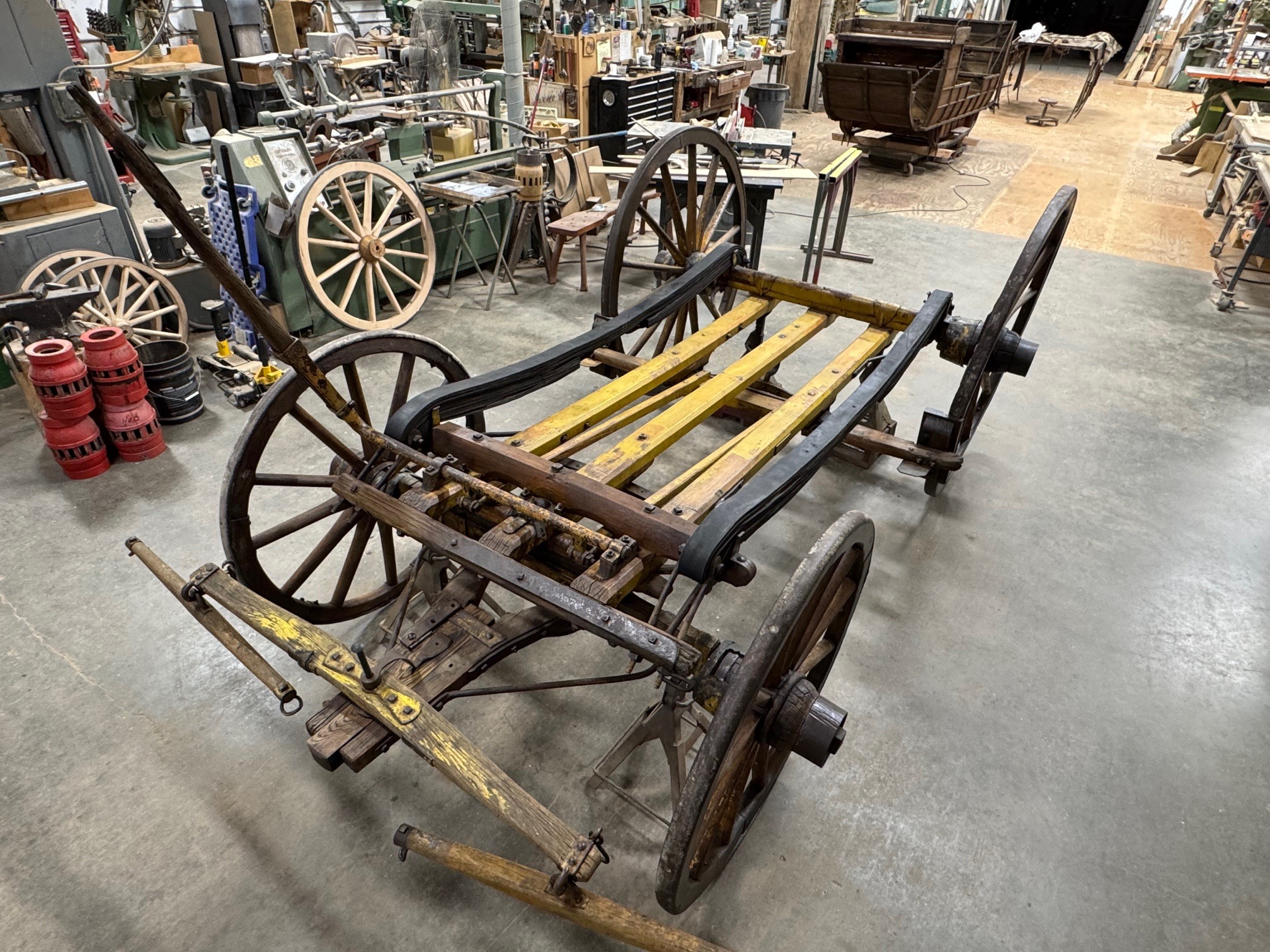
Once we acquired this survivor, we immediately put our records and research focus into motion. We needed to know the story behind this set of wheels. Along the way, we've traveled thousands upon thousands of miles, spoke with countless folks, and pored over an endless array of forgotten files. From universities, historical societies, museums, private collectors, and other archives, we've worked to leave no stone unturned. The intensity of the search has paid off and we've been fortunate to have reassembled a significant part of this legend's legacy. Far from finished, the puzzle is gradually coming together. Incredible photos of 11911 at work in the West have survived. While we've procured a number of them, we're confident there are more. Each helps tell the story of the what, when, where, why, and hows surrounding this machine.
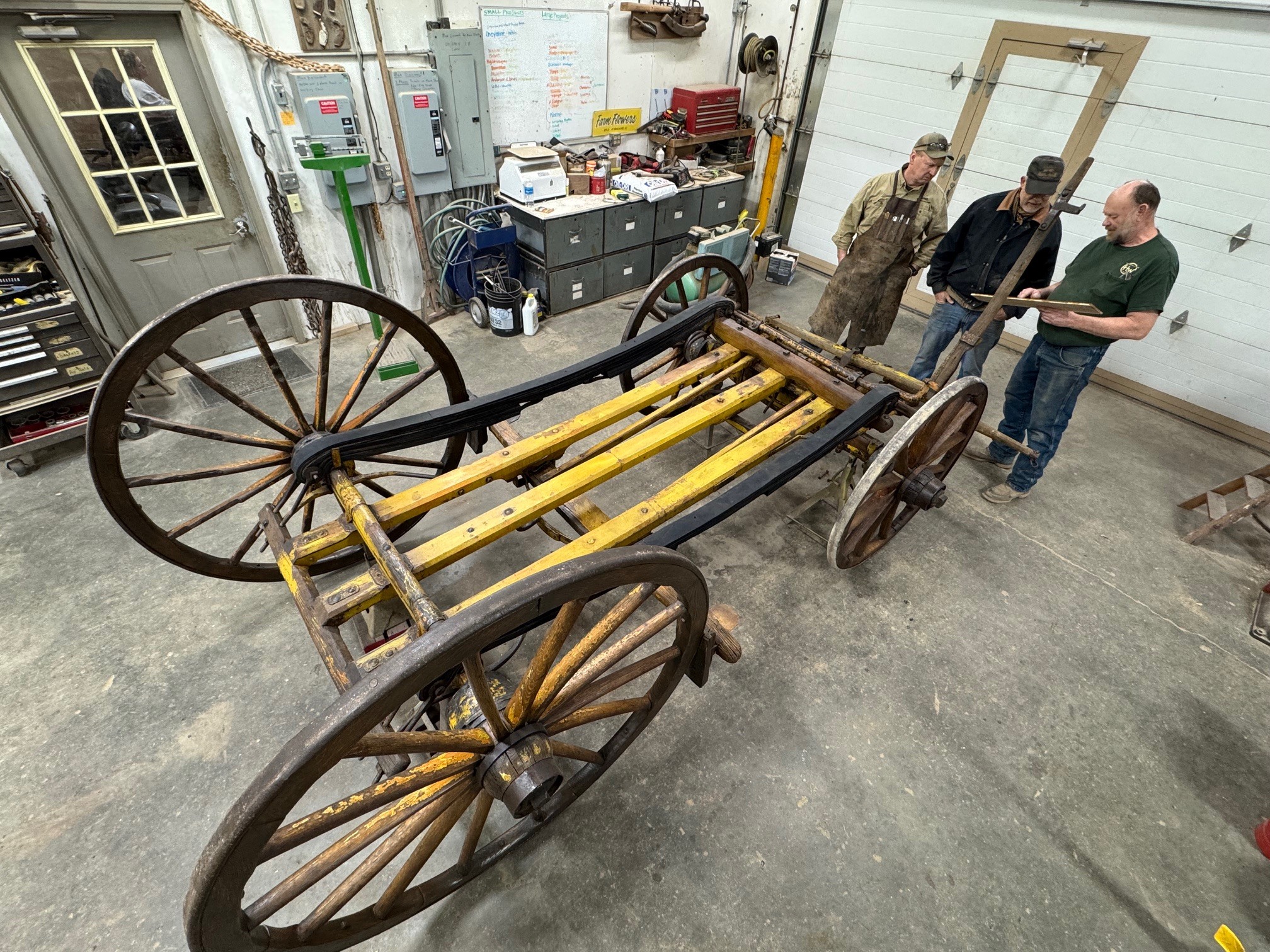
L to R... Tim Hoffman, Doug Hansen, and Maurice Hartman discuss the stage progress.
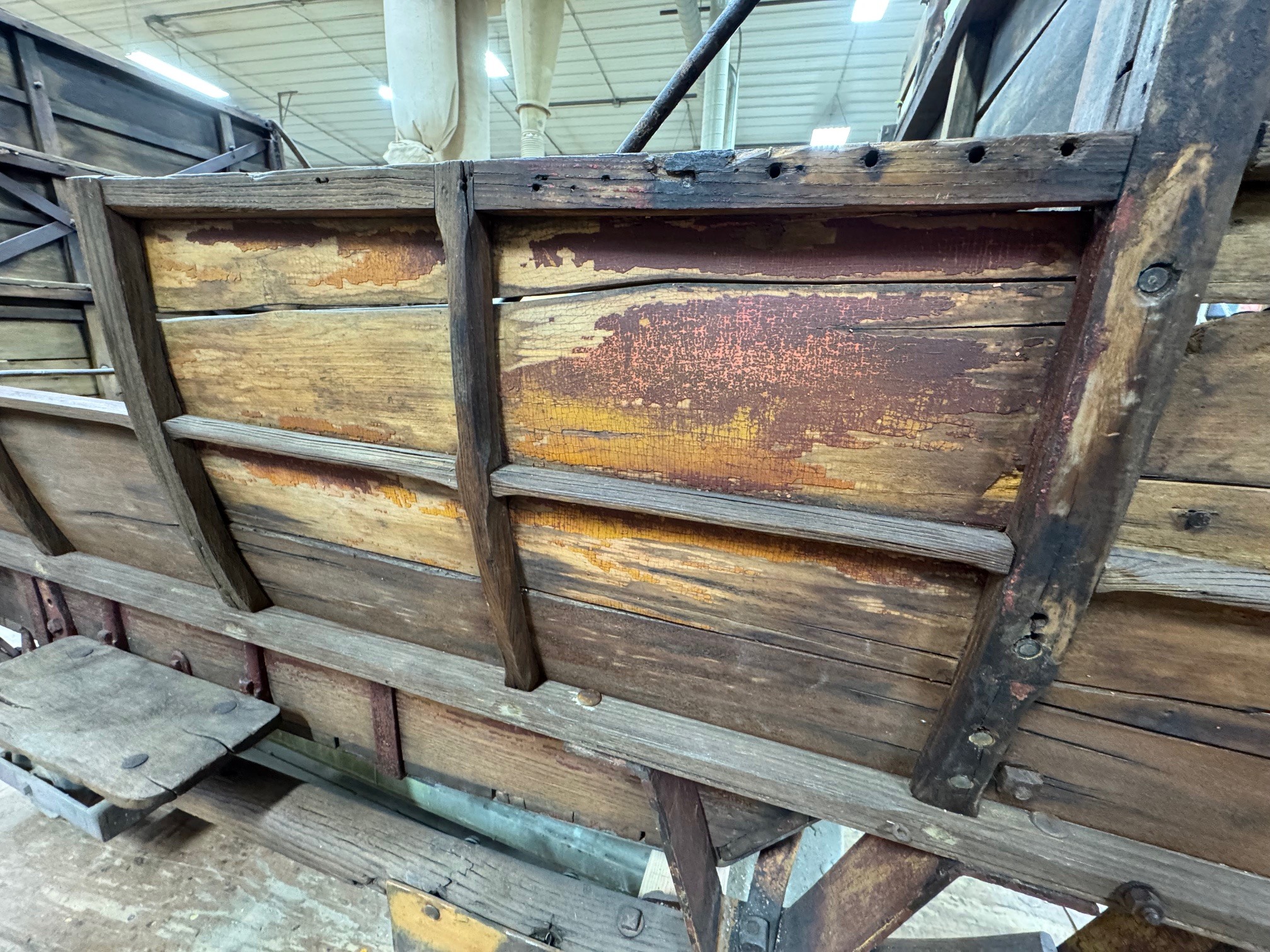
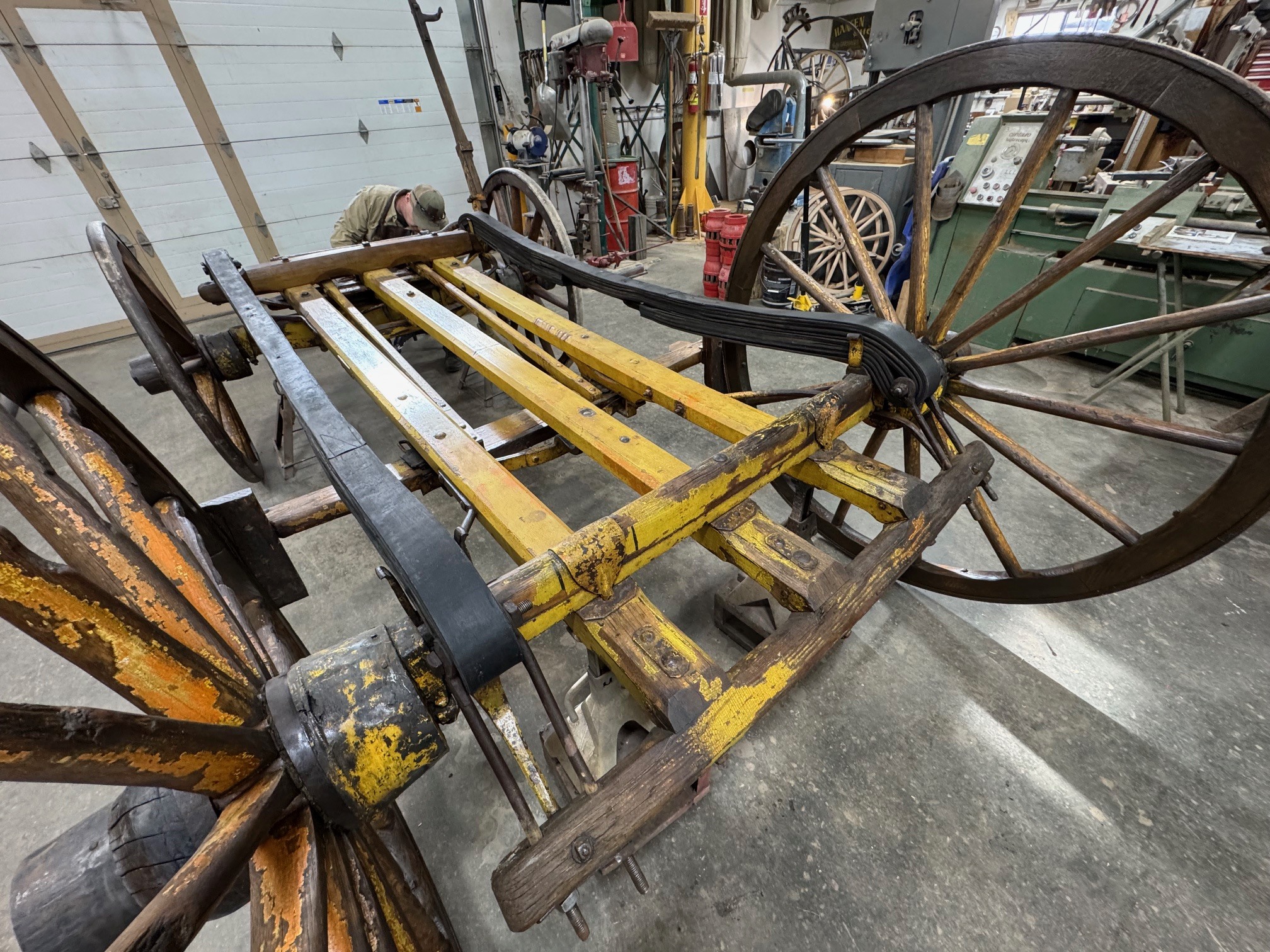
At Hansen's shops, this Concord, New Hampshire creation has undergone months of remediation. Now, the aged set of wheels is once again standing straighter, the body is solid, bug infestations gone, and rot removed. Physically, functionally, visually, and historically, the conservation work is bringing this icon back to life. There's still work to do but, since our initial posts on October 5, 2025 (Last Stage to Red Rock) and February 2, 2026 (It Begins: A Survivor's Story), we promised to regularly share the progress. Today is another of those updates.
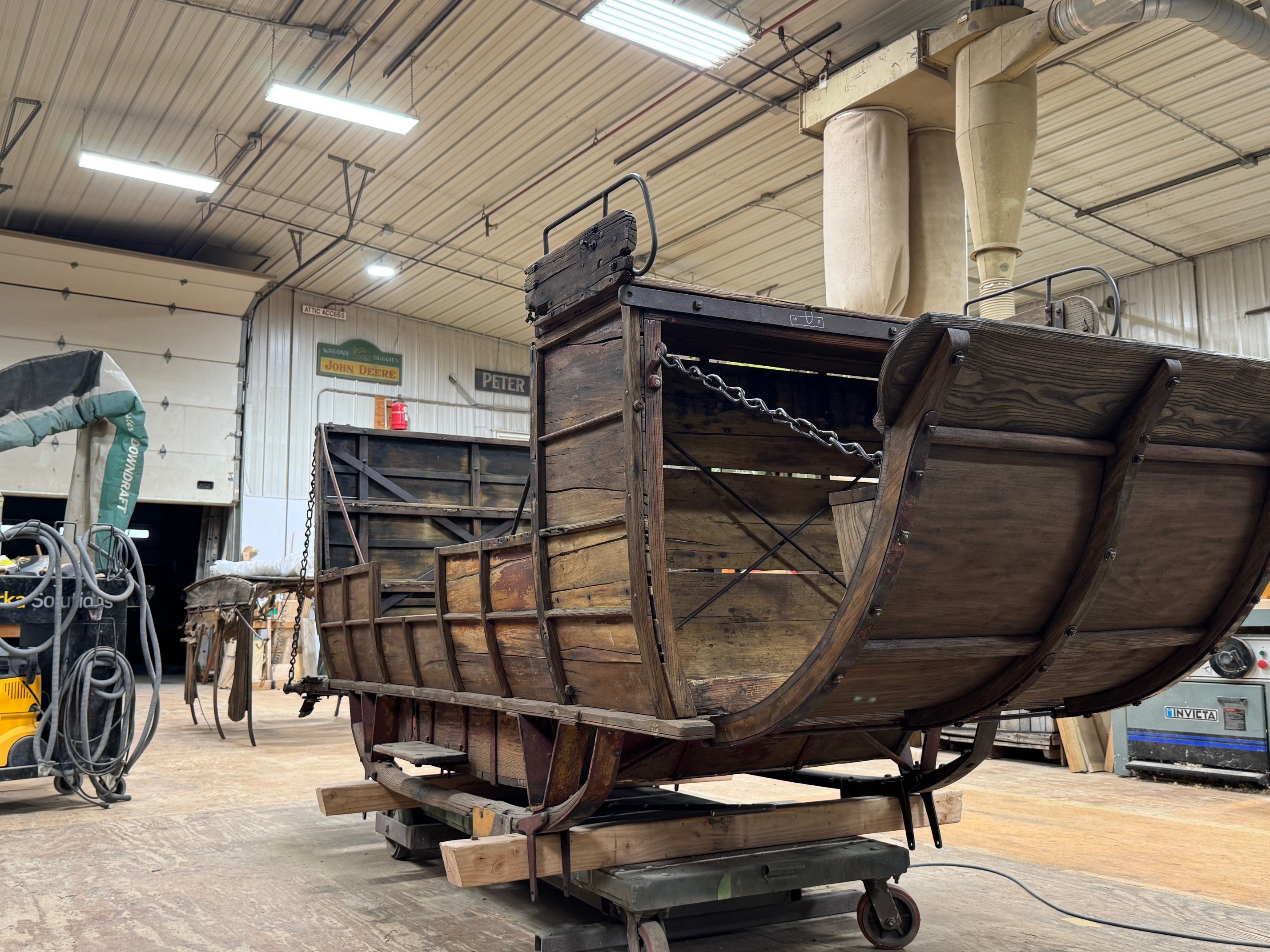
Doug and Holly Hansen's team - office to shop - has done amazing work on this historic set of wheels. From the photography and documentation of the labor to the craftsmanship and care in preserving as much history and originality as possible, we couldn't be more pleased with the way this special set of wheels has been treated. Detail after detail has been respectfully engaged. Even the use of hide glue in repairs has mirrored the old ways of construction. Once again, folks now take note when this stage appears. For future generations, it will continue to be a strong reminder of the power in persistence.
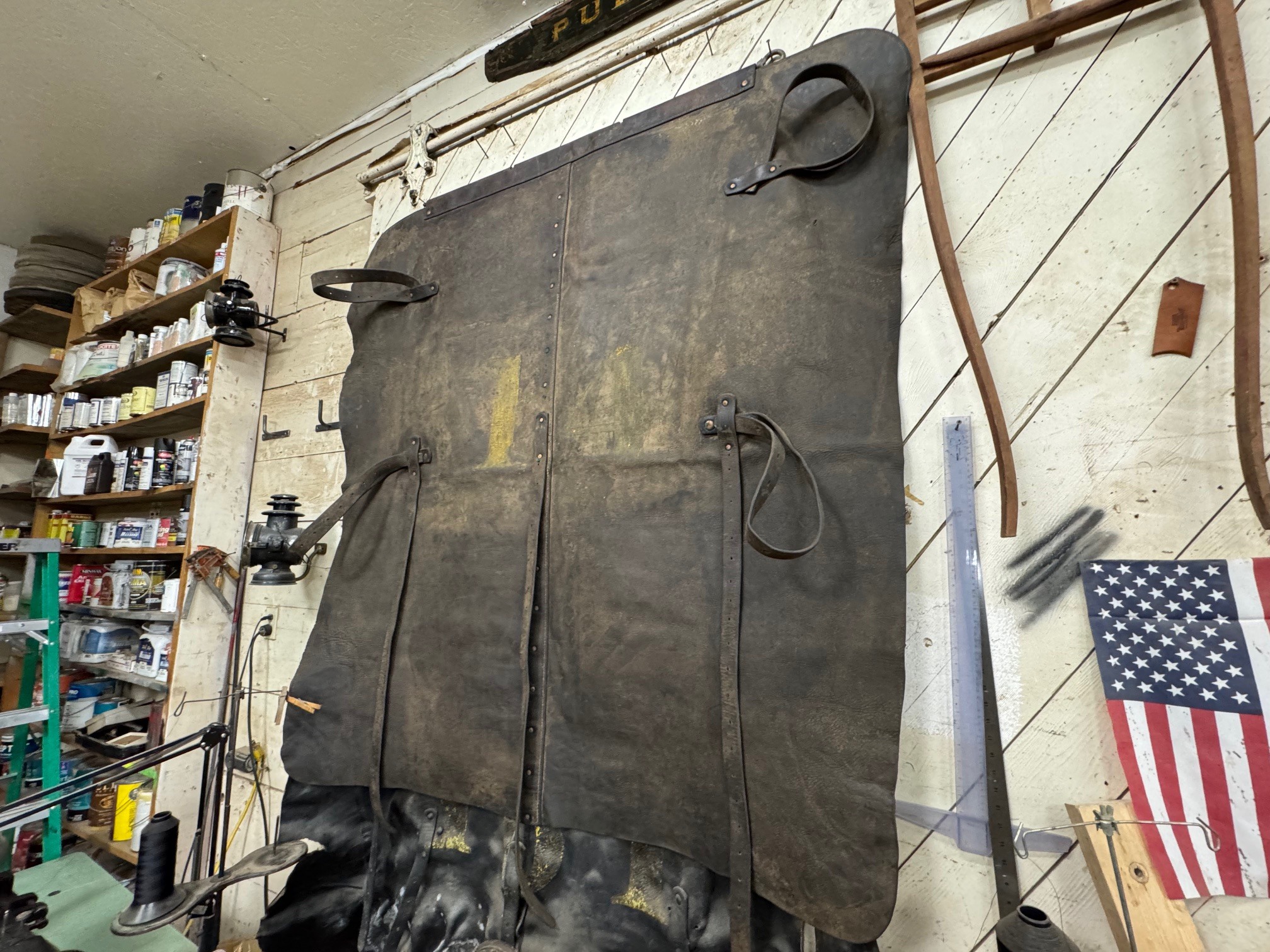
When the work on this part of the past is complete, this Heavy Overland model will be outfitted with equally rare elements from yesterday's stage-coaching...including an original, century-plus-old rear boot leather, authentic lamps handmade from original Abbot-Downing patterns and mounting brackets, a period stagecoach doubletree with singletrees, original tongue hardware, original lead bars, and the original six-horse set of harness used when the stage was at work in the West.
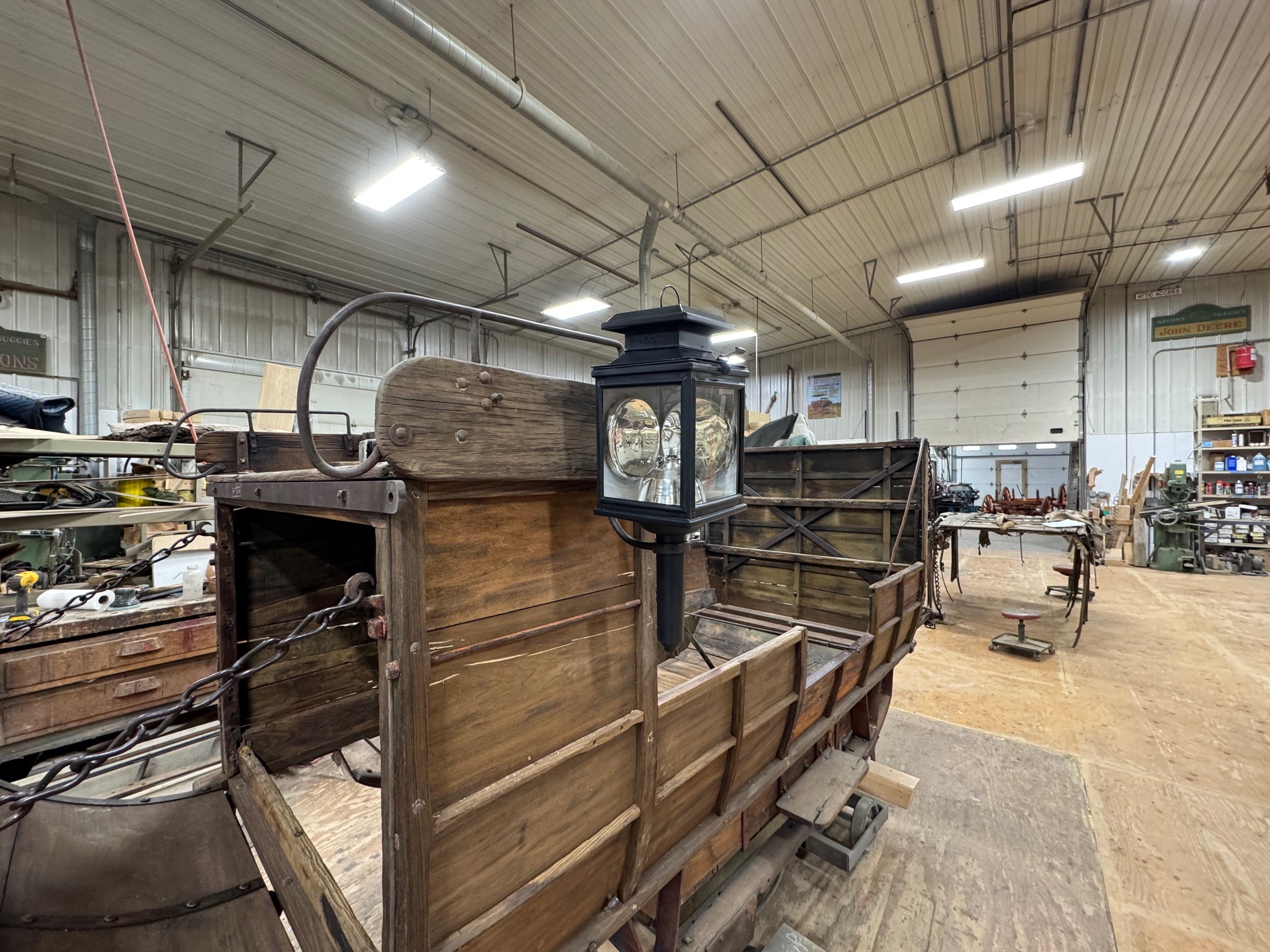
The lamps are made from original Abbot-Downing patterns and include original A-D mounts.
From Concord, New Hampshire to the Rocky Mountains and beyond, the known history of this time traveler marks the earliest days of staging in Montana. Defended at gunpoint, its heritage is the very essence of freedom, hope, and inspiration. As such, it seems fitting to have it once again standing as a symbol of American independence during this 250th year since the nation's founding.
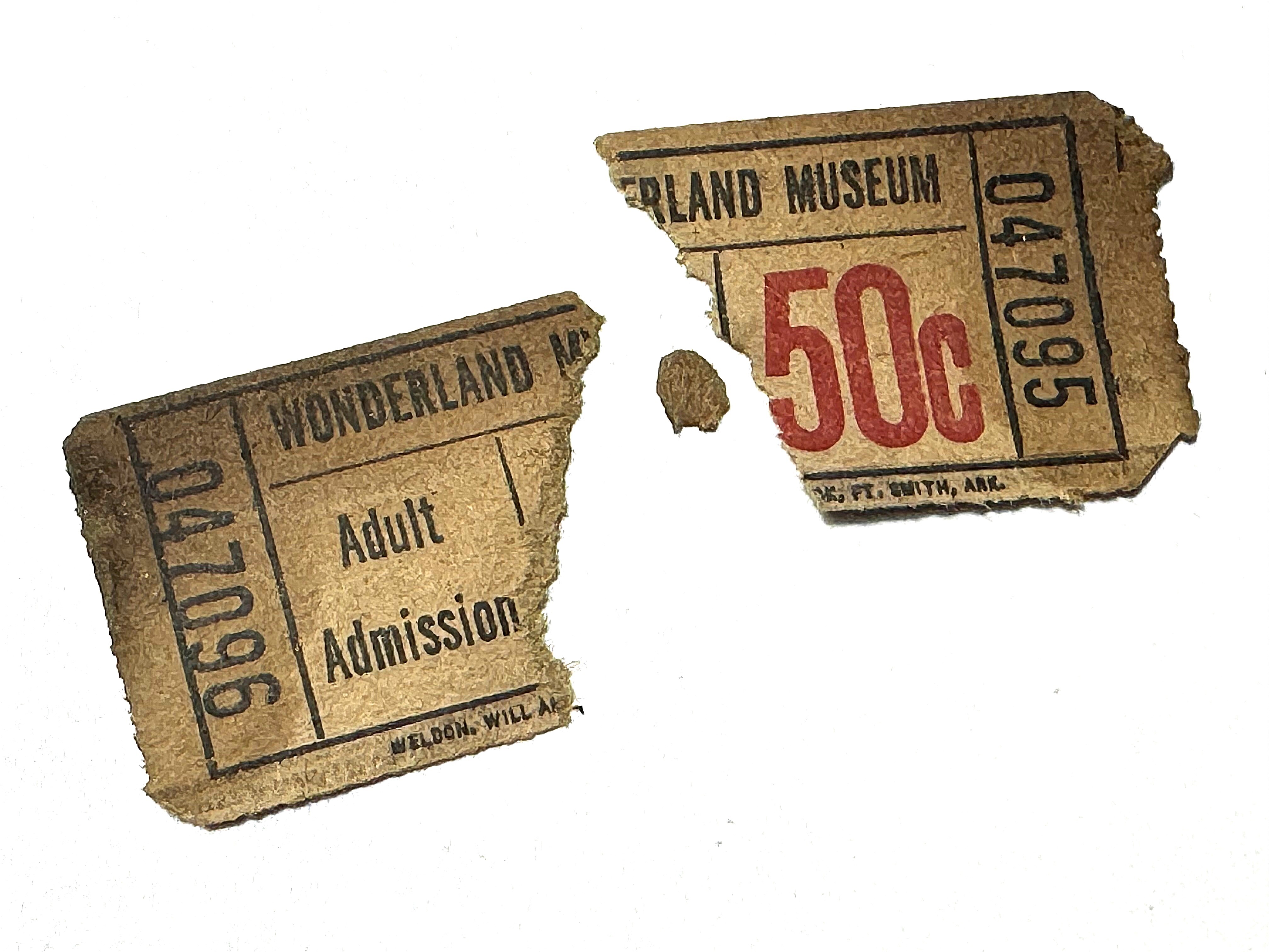
One more thing... there have been a number of discoveries during the work on the old stage. Among them has been the realization that the design was fitted from the factory with leather tufted seats and side panels. A woolen, damask headliner spanned the interior while a leather backrest supported the center seat passengers, and still another surprise... a pair of torn tickets. Yes, tickets. Tucked away under an interior seat and hidden for almost three-quarters of a century were the remains of two passes issued for entrance into the Wonderland Museum in Billings, Montana. How these reminders of the stage's time there managed to survive is anyone's guess. Did someone climb aboard for a photo op and lose their passes or perhaps they were just tucked in as a casual tribute to this time machine? We'll likely never know. Whatever the reason, these reminders of the bygone museum are now in our Wheels That Won The West® Archives... catalogued as the last of those with A Ticket to Ride.