
The more life we live, the easier it is to see the truth in King Solomon's phrase, "...there is nothing new under the sun." (Ecclesiastes 1:9) It's the same with advertising. While sellers always seem to be looking at new types of media, the purpose of a promotional message stays the same. That is to create interest, intrigue, and, ultimately, sales for a particular product or service.
To that point, have you ever thought about the reasons people give for their purchase choices? Those decisions are often based on at least one of the following points... price, performance, comfort, convenience, durability, availability, quality, reputation, testimonials, visual appeal, or innovative features. The process can work itself out in seemingly normal ways. For instance, that zero-turn mower you saw at your neighbor's house looks great and is incredibly fast. You know that he's picky so it's bound to be a perfect match for your yard as well, or... That tractor you sat on at the farm show was impressive in every way. It would be a solid replacement for the leaky rust-bucket you're saddled with, or even something like... That cheap, battery-operated thingamajig on the infomercial looked like it was 'good enough' to work for the jobs on your list.
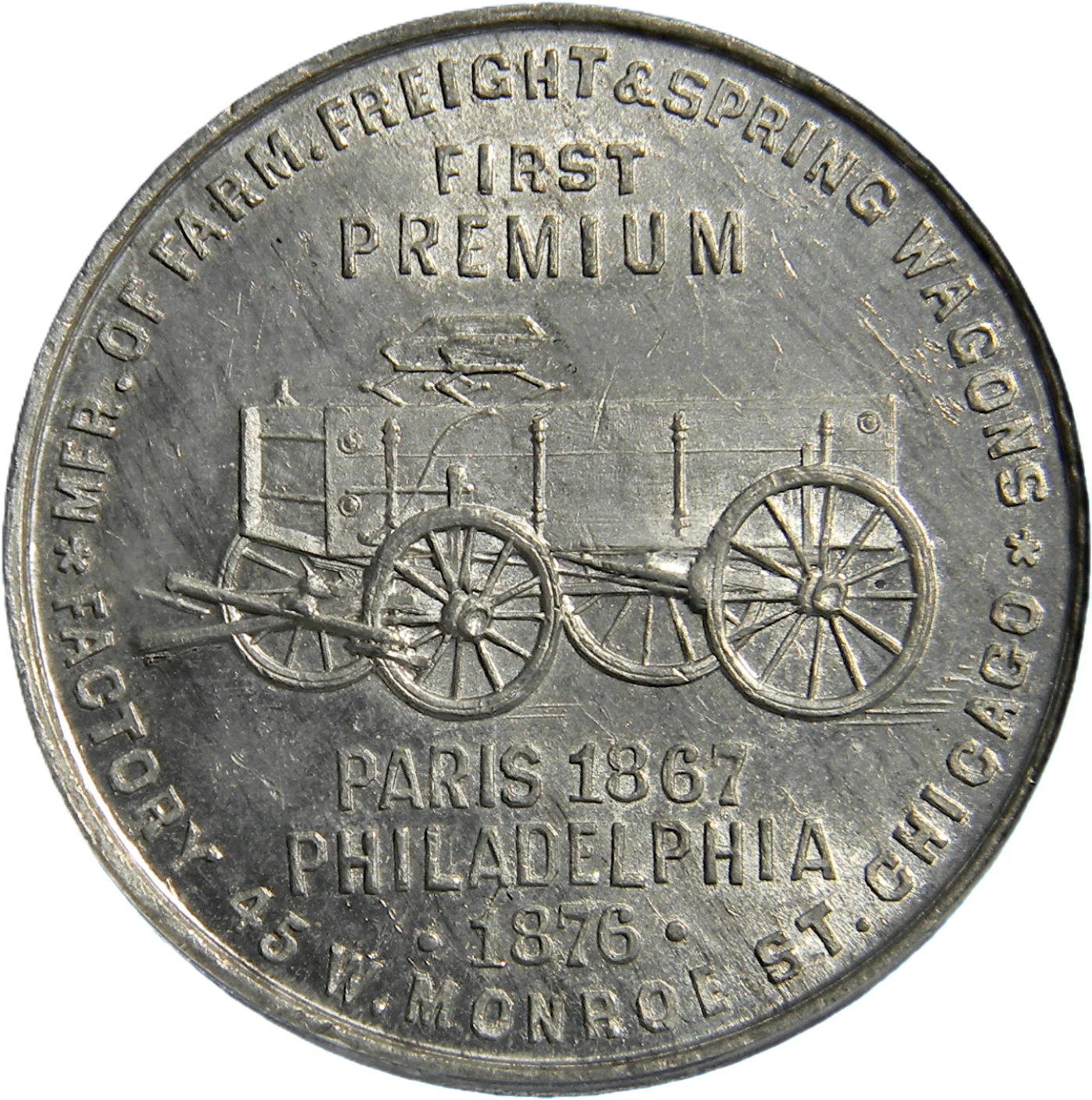
The legendary Peter Schuttler Company in Chicago was also a prolific promoter. Coin-sized medallions not only provided a personal memento that could be carried but were a constant reminder of the excellence attributed to the brand.
Truth is, those same kinds of thoughts are what caused our ancestors to pick the wooden wheels they drove. Sometimes, a lot of thought and study went into the purchase. At other times, the wagon was simply viewed as a commodity with a low price being the most important feature.
In the 1800s and early 1900s, wagon manufacturers and retailers were well aware of the power of marketing and branding. While radio, television, video, and the internet were non-existent in those days, there were plenty of other ways that advertisers 'connected' with customers. From local and national expositions and fairs to parades and other public presentations, there were plenty of opportunities to engage in what we now call 'Event Marketing.' Print advertising, trade cards, flyers, almanacs, fans, notebooks, watch fobs, rulers, medallions, calendars, and countless other promotional trinkets combined with fence signs and even wagon and carriage-branded puzzles and games to keep prominent brands front of mind. Slogans, songs/jingles, poems, and brand competition challenges (similar to the Pepsi Challenge) were also used. Boasts from early wagon makers often referenced the strength of a wagon, the easy draft, or even the quality and innovation found in the individual parts and designs.
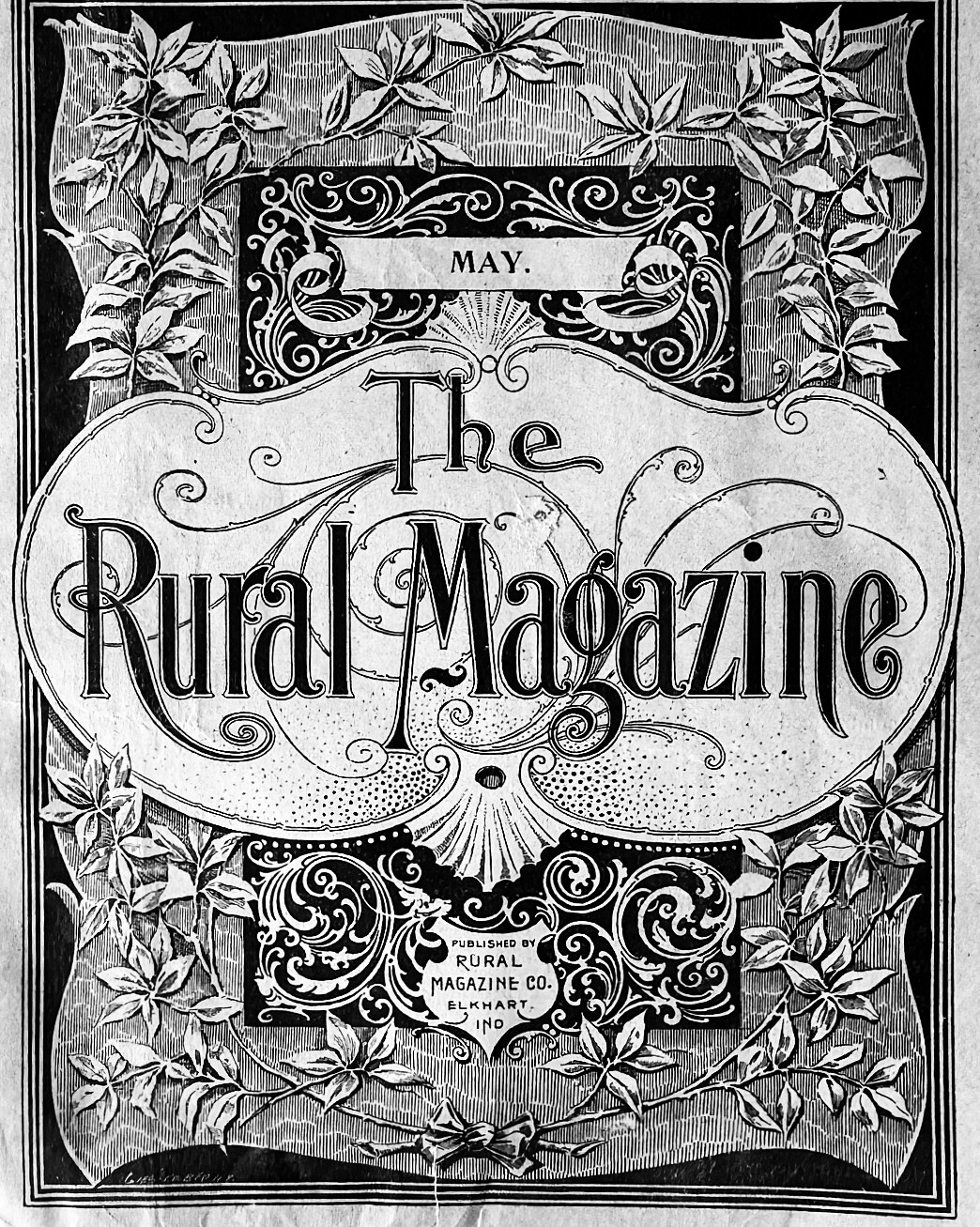
Especially during the 1870s and 80s, the use of ornate artwork, fancy striping, bright colors, elaborate lettering, and even idealistic views of nature and life were eye-candy liberally-applied to the bodies and running gears (undercarriages) of wagons. All of it was engineered to turn heads and keep folks talking about the brand. Magalogs - catalogs designed to look and feel like a magazine with articles and advertising - were popular methods of securing customers for some brands. I looked up the origins of the magalog concept and, according to the supposed all-knowing AI, magalogs were "... first developed by Montgomery Ward around 1970..."
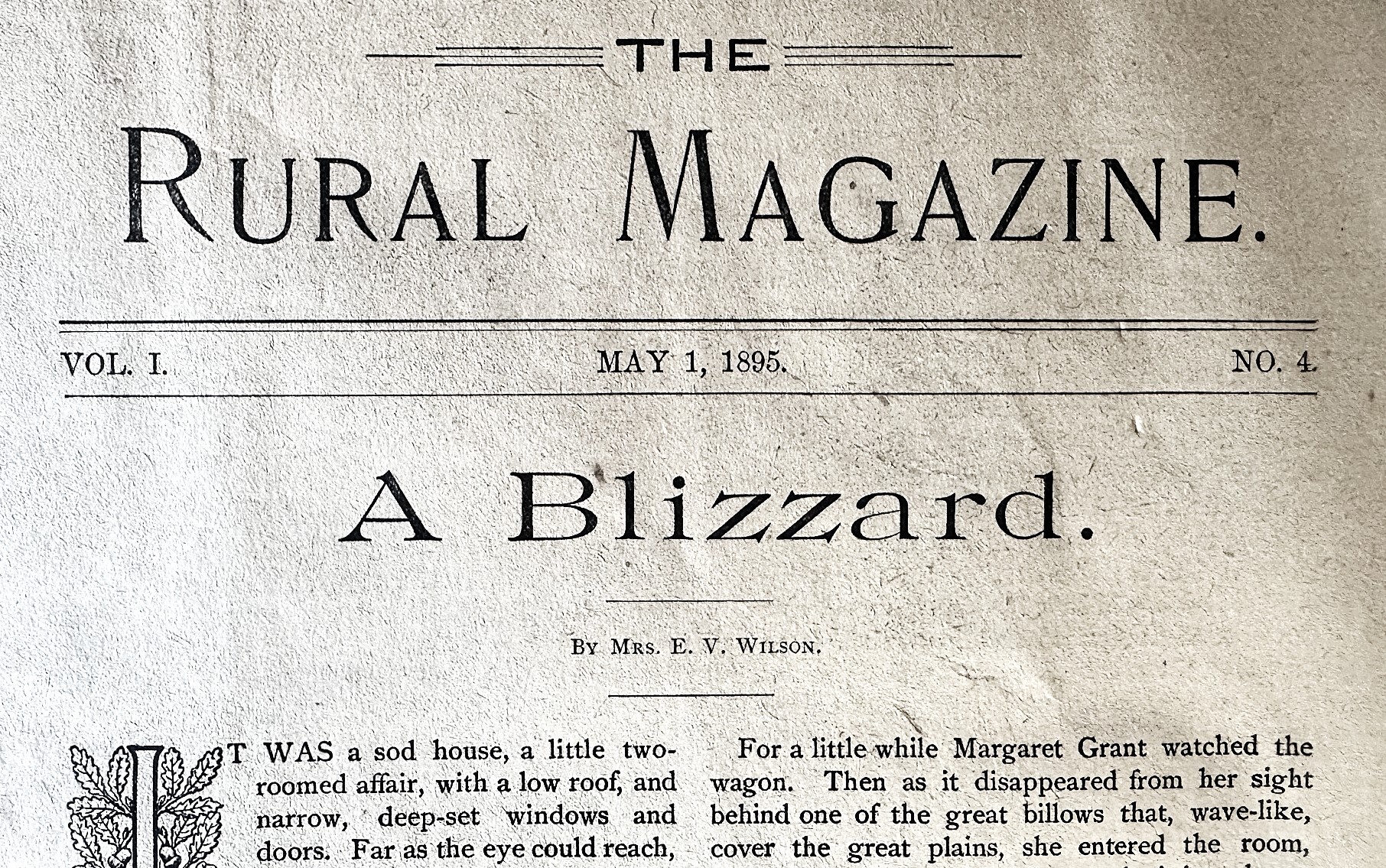
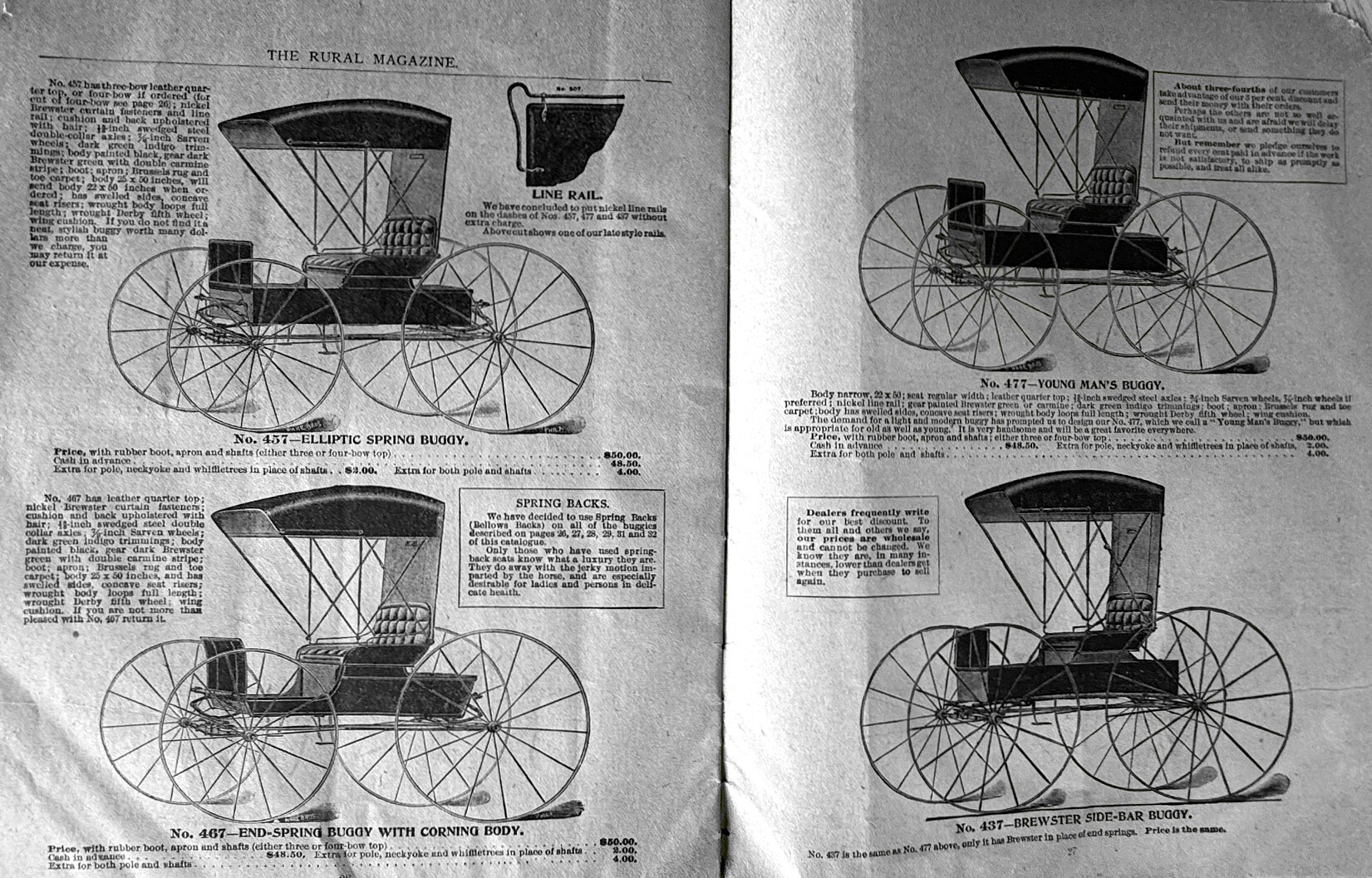
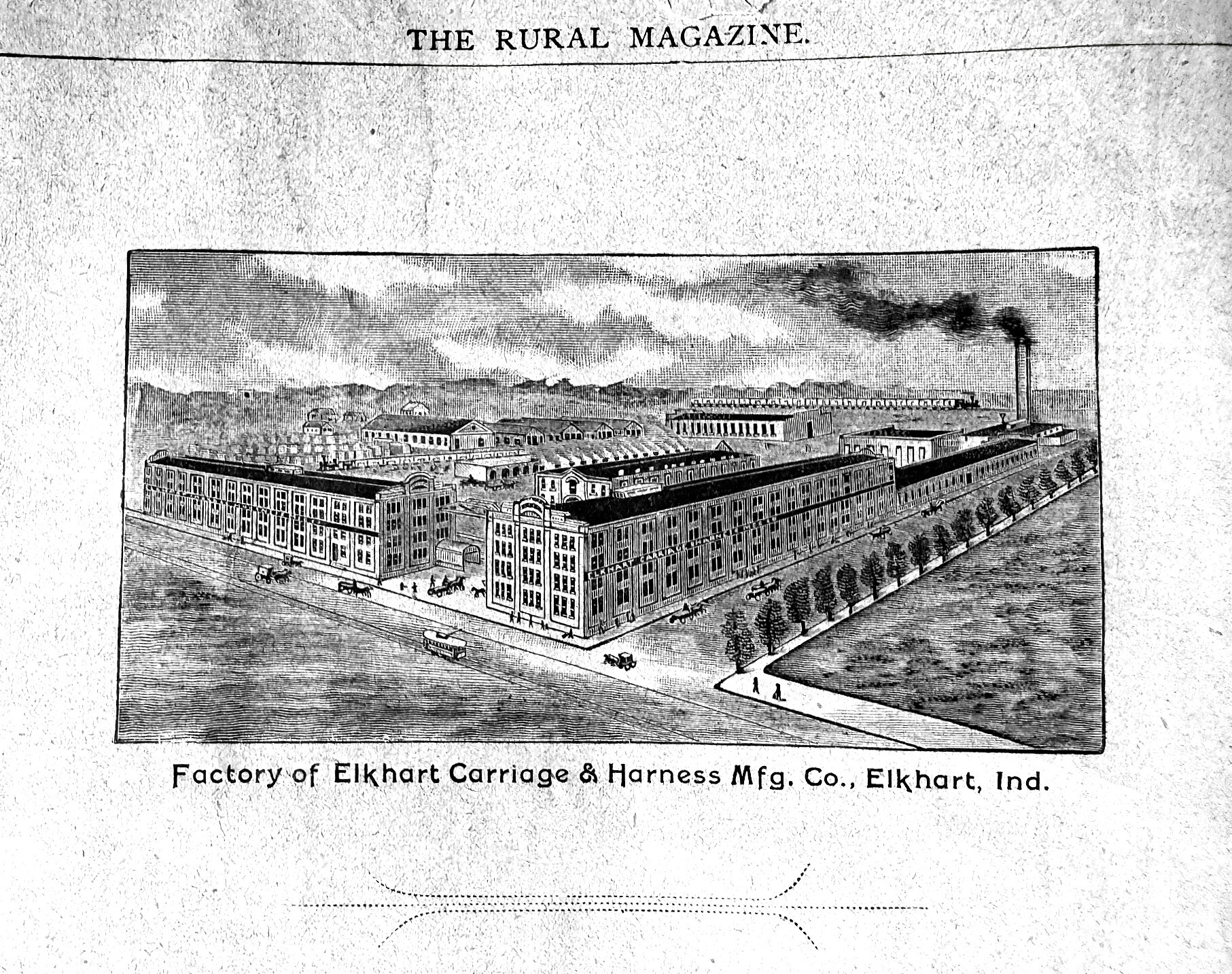
The images above are from the Elkhart 'magalog' - sharing articles, third-party advertising, and catalog listings for the vehicles built by Elkhart. The publication is from 1895 - using a sales method that many might 'think' is more modern in nature. Many of the early wagon and carriage builders were extremely progressive promoters.
That's an interesting comment from the AI machines since wagon and carriage makers were doing that at least as early as the 1890s. Truth is, it apparently took another three-quarters of a century for someone to re-invent what America's first transportation industry was regularly practicing back in the 1890s! This is why I'm skeptical of AI search returns. At the end of the day, search engines only know what they are fed and a MASSIVE part of our carriage and wagon-maker past is not available on the internet. The result? AI is far behind in the world of early vehicle knowledge. Be careful what you accept as truth from AI search returns.
Every major U.S. wagon maker utilized multiple forms of advertising. Massive brands, like Studebaker, pumped out a sea of promotional literature and a fair amount of it has survived. Even so, materials prior to the 1890s are increasingly tough to come across in the twenty-first century.
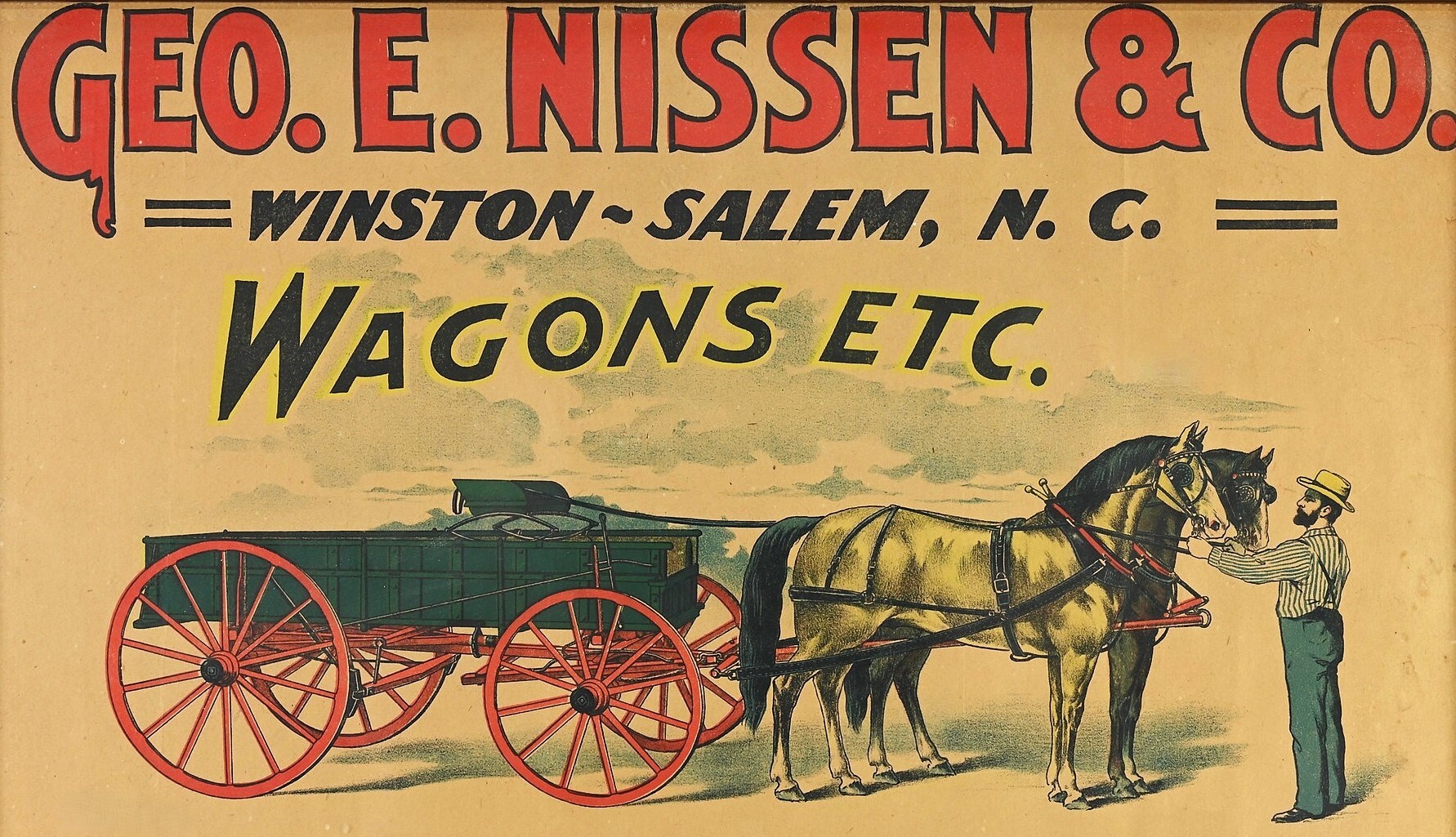
Larger companies were astute tradesmen, keeping public relations, art, music, current events, distribution channels, rep networks, and regular communication as important parts of their competitive quiver. Of course, some of that early advertising - just like today - was very plain and straightforward; particularly the oldest works. Many messages, especially prior to the mid-1870s, were announcements simply delivering a no-frills message to the masses.
Throughout the nineteenth century, there were claims made that might stretch the limits of truth in advertising. Certainly, there was no shortage of hype and puffery. The industry was massive and so were the financial opportunities. The temptation to be whatever the customer needed, true or not, was high. From the gold and other precious metal strikes to the overall push to 'Go West' and seek a better life, wagon builders everywhere could see the potential and competition quickly sharpened amongst the savviest marketers. After all, the world of transportation - then as now - touches everyone in some way.
So, the next time some marketer has a 'new' idea for promotions, even though the media may have adjusted, I'm confident the general idea has its roots in a place of long ago - maybe from one of the huge wagon makers and their Plethora of Promotions. We'll talk about some of this, and a lot more, in the August presentation in Granbury, Texas. Be sure to sign up on the American Chuck Wagon Association website. This event will be one that's remembered for years to come!
Have a great weekend!
David
Ps. 20:7